




Making homemade baby food doesn’t have to take all day or leave you stressed. Imagine preparing fresh, healthy meals for your little one in under 20 minutes.
Yes, it’s possible—and easier than you think. If you want to save money, know exactly what goes into your baby’s food, and avoid the additives in store-bought jars, this guide is for you. Keep reading, and you’ll discover simple steps and smart tips that fit perfectly into your busy schedule.
Your baby’s next delicious meal is just minutes away.
Homemade baby food offers many benefits for your little one. It allows you to control the ingredients and avoid preservatives. Fresh food keeps more nutrients, which helps your baby grow strong and healthy.
Preparing food at home saves money compared to store-bought jars. It also lets you introduce new tastes and textures slowly. This can help your baby develop good eating habits early on.
Homemade baby food uses fresh fruits and vegetables. These foods keep their vitamins and minerals better than processed foods. Your baby gets the best nutrition with every meal.
Store-bought baby foods often contain sugar, salt, or preservatives. Homemade food has no added chemicals or unhealthy ingredients. This keeps meals pure and safe for your baby.
Making food at home costs less than buying jars. You can cook in bulk and store portions for later. This saves both time and money in the long run.
You can adjust the texture and flavor to suit your baby’s stage. Start with smooth purees, then add thicker textures as they grow. Homemade food also helps manage allergies and food preferences.
Introducing a variety of fresh foods early helps babies enjoy healthy meals. They learn to love real flavors instead of sweetened or salty jars. This supports good eating habits for life.
Making baby food at home can be simple and fast with the right tools. These tools save time and make the process smooth. Preparing fresh, healthy food for your baby becomes easier.
Choosing the right tools helps you finish in under 20 minutes. It keeps the kitchen neat and the food safe. Let’s look at essential tools for quick preparation.
A blender or food processor helps puree fruits and vegetables quickly. It creates smooth textures that babies enjoy. These devices cut down chopping and mashing time.
A steamer basket cooks food gently and evenly. Steaming keeps nutrients in the food. It softens vegetables fast, perfect for purees.
Measuring cups and spoons ensure the right portions. Accurate measurements help with feeding and storing. They save guesswork and keep recipes consistent.
Ice cube trays freeze small portions of baby food. They make storage and thawing easy. Perfect for preparing meals ahead of time.
Spoons and small bowls are for mixing and serving. Soft-tipped spoons protect your baby’s gums. Small bowls keep food ready for quick feeding.
Choosing the right ingredients is key for making healthy baby food. Fresh, natural foods help your baby grow strong. Simple ingredients make quick and tasty meals. Focus on foods that are gentle and safe for your baby’s tummy. This guide helps you pick the best ingredients fast.
Pick fruits and vegetables that are soft and easy to digest. Apples, pears, and bananas work well. Sweet potatoes, carrots, and peas are great choices. Steam or boil them until very soft. These foods provide vitamins and minerals for healthy growth.
Protein is important for your baby’s development. Cooked lentils and beans are good plant-based options. Soft, shredded chicken or turkey offers gentle animal protein. Avoid salt and spices when preparing proteins. Make sure meats are fully cooked and finely pureed.
Grains give energy and fiber for your baby. Rice, oats, and barley are simple grains to cook quickly. Use plain, unsweetened cereals made for babies. Cook grains until soft and mash or blend them. These foods help build a strong digestive system.
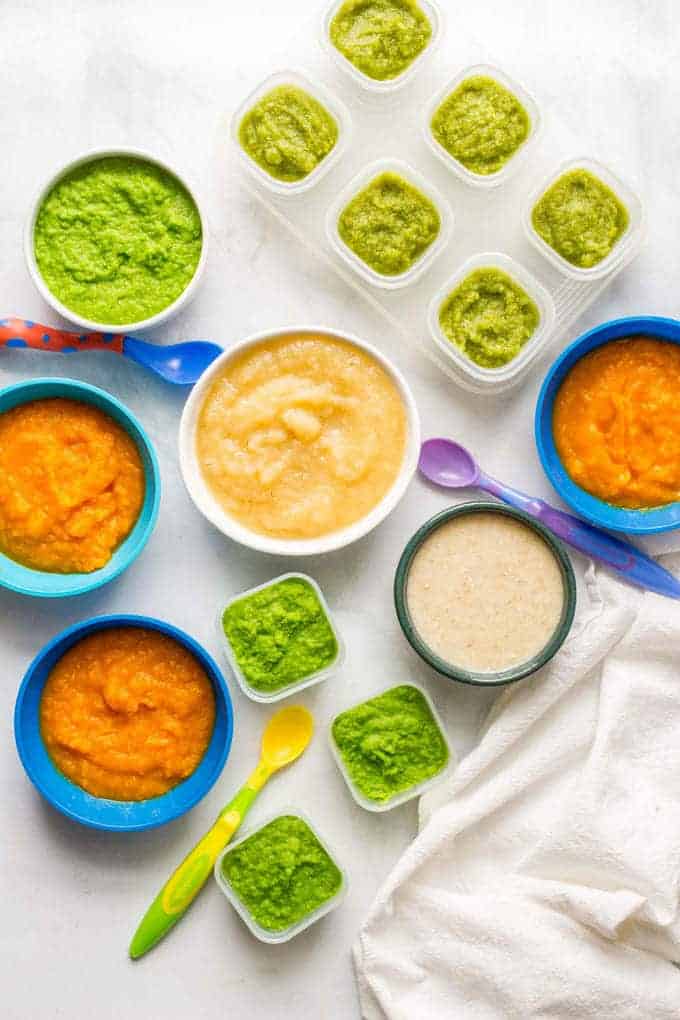
Preparing homemade baby food is simple and quick. Follow these clear steps to make fresh meals in under 20 minutes. This process ensures your baby gets healthy and tasty food every time.
Start by washing fruits and vegetables thoroughly. Use cold water to remove dirt and germs. Peel the skin off if it is tough or hard to digest. Remove seeds, stems, or pits to keep the food safe. Clean ingredients make the food fresh and healthy for your baby.
Choose a cooking method that keeps nutrients and softens food. Steaming is a great option. It cooks food quickly and keeps vitamins intact. Boiling is also easy but may reduce some nutrients. Baking or microwaving can work for certain foods. Cook until the food is soft and easy to mash.
After cooking, blend the food using a blender or food processor. Add water, breast milk, or formula to reach the right consistency. For smaller batches, use a fork or potato masher. Make sure the texture matches your baby’s age and chewing ability. Smooth purees for young babies, chunkier for older ones.
Storing homemade baby food properly keeps it fresh and safe for your little one. Good storage stops germs and keeps nutrients intact. Follow simple steps to store baby food right after making it. This helps you save time and feed your baby healthy meals anytime.
Cool fresh baby food quickly after cooking. Store it in clean, airtight containers. Use the fridge to keep food safe for up to 48 hours. Keep the fridge temperature at or below 40°F (4°C). Avoid leaving baby food out at room temperature for more than two hours. Always smell and check the food before feeding.
Freeze baby food to keep it fresh for longer. Use small containers or ice cube trays for easy portions. Cover food tightly to avoid freezer burn. Label each container with the date of freezing. Store baby food in the freezer for up to 3 months. Thaw food in the fridge overnight before using.
Label every container with the food name and date made. This helps track freshness and use food in time. Portion baby food into small servings for easy feeding. Use clean spoons to serve and avoid double dipping. Discard any leftover food after feeding to keep your baby safe.

Quick baby food recipes save time and keep your baby’s meals fresh. Making food at home ensures control over ingredients. These recipes use simple, natural foods you can find easily. Each recipe takes under 20 minutes from start to finish. Perfect for busy parents who want healthy options fast.
Fruit purees are fast and easy to make. Choose ripe fruits like bananas, apples, or pears. Peel and chop the fruit into small pieces. Steam softer fruits like apples for 5-7 minutes to soften. Blend until smooth with a little water or breast milk. Serve fresh or store in small containers for later.
Vegetable blends offer a mix of flavors and nutrients. Use veggies like carrots, peas, or sweet potatoes. Cut into small chunks and steam until tender, about 10-15 minutes. Blend with water or baby’s usual liquid until smooth. Mix different veggies to introduce new tastes. These blends can be frozen in ice cube trays for easy portions.
Proteins support baby’s growth and development. Soft cooked lentils, beans, or chicken work well. Cook protein thoroughly and chop finely or blend. Combine with vegetable purees for taste and texture. These meals provide balanced nutrition in a short time. Always check temperature before serving to your baby.
Making baby food at home saves time and ensures your baby eats fresh, healthy meals. Many parents try to prepare food quickly but make simple mistakes. These mistakes can affect food quality and safety. Avoiding them helps create better meals for your baby.
Here are some common mistakes to watch out for during homemade baby food preparation.
Some foods may cause allergies or upset your baby’s stomach. Avoid adding salt, sugar, honey, or strong spices. Always choose fresh fruits and vegetables safe for babies.
Overcooking can destroy nutrients and taste. Undercooking leaves food hard and hard to digest. Aim for soft, tender textures that blend easily.
Clean hands and utensils prevent bacteria from contaminating food. Wash everything well before and after use. This step keeps baby food safe and healthy.
Fresh baby food spoils quickly. Store leftovers in airtight containers and refrigerate. Use food within 24 to 48 hours to avoid spoilage.
Thick food can be hard for babies to swallow. Thin food might lack texture and nutrients. Blend to a smooth, easy-to-eat consistency based on baby’s age.

You can make homemade baby food in under 20 minutes by steaming and pureeing fresh ingredients. Quick recipes save time and keep nutrients intact.
Use fresh fruits, vegetables, and lean proteins like sweet potatoes, carrots, apples, and chicken. These provide essential nutrients for your baby’s growth.
Store homemade baby food in airtight containers in the fridge for up to 48 hours. For longer storage, freeze portions in ice cube trays.
Yes, freezing baby food preserves nutrients and freshness. Use small portions in freezer-safe containers and thaw before feeding.
Making homemade baby food is quick and simple. Fresh ingredients give your baby the best nutrition. You control what goes into each meal. Preparing food in under 20 minutes saves time for other tasks. Try different fruits and vegetables to find favorites.
Small batches keep food fresh and tasty. Enjoy feeding your baby healthy meals made with love. Keep practicing, and it will become easier every day.


