




Are you worried about how much sugar your baby is eating every day? Reducing sugar in your baby’s diet is one of the best things you can do for their health and future.
Too much sugar can lead to problems like tooth decay, picky eating habits, and even early obesity. But cutting back on sugar doesn’t have to be hard. You’ll discover simple, practical steps you can take right now to help your baby enjoy tasty, nutritious foods without all the extra sugar.
Keep reading to learn how you can protect your little one’s health and set them up for a lifetime of good eating habits.
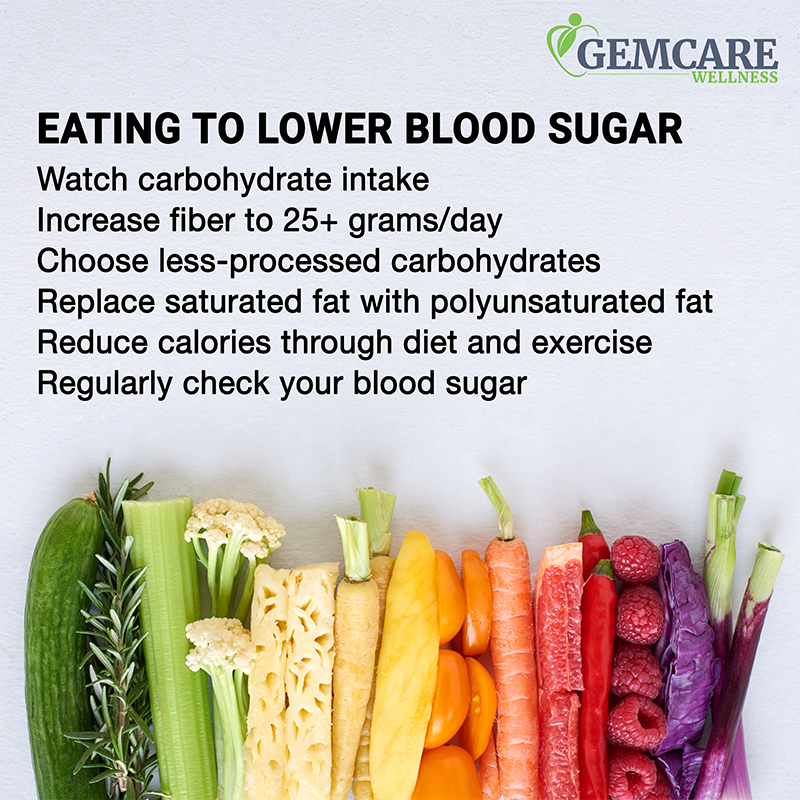
Reducing sugar in your baby’s diet is very important. Babies are growing fast. Their bodies need good food to develop well. Too much sugar can harm their health. It can also affect how they grow and learn. Understanding why to cut sugar helps you make better choices for your baby’s meals.
Eating too much sugar can cause health problems for babies. It can lead to tooth decay. This happens because sugar feeds harmful bacteria in the mouth. Babies can get cavities early, which is painful.
High sugar intake can also increase the risk of obesity. Babies with too much sugar may gain unhealthy weight. This can cause problems later in life, like diabetes and heart disease.
Sugar can take the place of important nutrients. Babies need vitamins and minerals to grow strong. When they eat sugary foods, they might eat less healthy food.
Too much sugar can also affect energy levels. Babies may feel tired or cranky. Their bodies do not get the steady energy they need for play and learning.
Reducing sugar in your baby’s diet starts with finding hidden sugars. These sugars often sneak into foods that seem healthy. Learning to spot them helps keep your baby’s meals truly natural and safe.
Food labels show all ingredients and nutritional facts. Look for the sugar content in grams. Ingredients are listed by amount, from highest to lowest. If sugar is near the top, the food has a lot of sugar.
Check the nutrition facts for total sugars and added sugars. Added sugars are the ones you want to avoid. Sometimes labels say ”no added sugar,” but always read ingredients to be sure.
Sugar can appear under many names on labels. Words like sucrose, glucose, and fructose all mean sugar. Corn syrup, honey, and molasses are also sugars.
Watch for words ending in ”-ose.” These are types of sugar. Ingredients like malt syrup or fruit juice concentrate add hidden sugar too.
Knowing these names helps you spot hidden sugars quickly. Choose foods without these ingredients to reduce sugar in your baby’s diet.
Reducing sugar in your baby’s diet is important for their health. Sweet flavors do not need to come from added sugars. Healthy alternatives can satisfy your baby’s taste buds. These options provide natural sweetness without extra sugar risks. Using these choices helps build good eating habits early on.
Try natural sweeteners like honey or maple syrup for older babies. These contain vitamins and minerals. Use them in very small amounts. Avoid giving honey to babies under one year due to safety. Coconut sugar is another option with a lower glycemic index. These alternatives add gentle sweetness but keep sugar intake low.
Fruits are the best source of natural sweetness. Mashed bananas, applesauce, or pureed pears work well. They add flavor and important nutrients like fiber and vitamins. Use fresh or frozen fruits without added sugar. Fruit purees can replace sugary snacks and desserts. This method helps your baby enjoy sweet tastes naturally.
Planning meals carefully helps reduce sugar in your baby’s diet. It ensures babies get the right nutrients without extra sugar. Good meal planning supports healthy growth and habits. It also makes mealtime easier and less stressful for parents.
Focus on meals with proteins, healthy fats, and fiber. Include fruits and vegetables for natural sweetness. Avoid sugary snacks and drinks. Use whole grains like oats and brown rice. Balanced meals keep your baby full and satisfied longer.
Homemade meals let you control ingredients and sugar levels. Use fresh foods and avoid added sugar or salt. Store-bought baby foods can be convenient but check labels carefully. Choose options with no added sugars or sweeteners. Homemade meals often offer better nutrition and taste.
Encouraging better eating habits in babies is key to reducing sugar intake. It helps them enjoy healthy foods and builds lifelong good habits. Small changes at home make a big difference.
Focus on creating a positive food environment. Patience and consistency help babies accept new tastes. This section covers ways to guide your baby toward better eating habits.
Babies learn by watching adults. Eating healthy foods yourself shows them what to eat. Choose fruits, vegetables, and whole grains during meals. Avoid sugary snacks and drinks around your baby. Your actions speak louder than words. Consistent habits help your baby copy good choices.
Mealtime should be fun, not a battle. Offer a variety of colorful and tasty foods. Let your baby explore textures and flavors at their own pace. Praise small tries and avoid pressure. Use playful names for foods to spark interest. A calm and happy mood helps babies try new foods.
Handling sugar cravings in babies can be tough for parents. Babies often want sweet flavors because these taste good naturally. Reducing sugar is important for their health and growth. Understanding how to manage their cravings helps create better eating habits early on.
Offer snacks with natural sweetness. Fresh fruits like banana, apple slices, or berries work well. Soft cooked vegetables, like sweet potatoes or carrots, are tasty and nutritious. Yogurt without added sugar is a good option. These snacks satisfy cravings without extra sugar.
Keep your baby busy with fun activities. Play games or read books together. Sometimes sugar cravings come from boredom or tiredness. Changing the focus helps reduce the desire for sweets. Use toys or songs to keep your baby engaged and happy.
Introduce whole fruits instead of juices, choose unsweetened snacks, and avoid processed baby foods with added sugars.
Use mashed bananas, unsweetened applesauce, or pureed dates to sweeten foods naturally without added sugars.
Begin limiting sugar as soon as solid foods are introduced, usually around six months, to build healthy habits early.
Too much sugar can cause tooth decay, poor nutrition, and increase the risk of obesity and diabetes later.
Reducing sugar in your baby’s diet helps build healthy habits early. Choose natural foods like fruits and vegetables instead of sweets. Read labels carefully to avoid hidden sugars. Offer water or milk instead of sugary drinks. Small changes make a big difference over time.
Stay patient and consistent with these steps. Your baby will enjoy better health and energy. Keep learning and adapting as your child grows. Healthy choices today lead to a stronger tomorrow. Simple actions create lasting benefits for your little one.


