




Are you wondering how to start your baby on solid foods in a way that feels natural and stress-free? Baby-led weaning might be the answer you’re looking for.
This approach lets your little one take the lead, exploring tastes and textures on their own terms. But before you dive in, there are some important things you need to know to keep your baby safe and happy. Keep reading to discover simple tips and key facts that will help you feel confident every step of the way.

Baby-led weaning is a method of introducing solid foods to babies. It allows babies to feed themselves rather than being spoon-fed by parents. This approach helps babies explore different tastes and textures at their own pace. It encourages independence and fine motor skills.
Parents offer soft, easy-to-hold pieces of food. Babies decide what and how much to eat. The focus is on self-feeding, not on the amount consumed. Baby-led weaning usually starts around six months old, when babies show signs of readiness.
Baby-led weaning means skipping purees and spoon-feeding. Babies use their hands to pick up food. They bring food to their mouths and chew or gum it. The baby controls the eating process from start to finish.
Parents provide a variety of safe foods in small pieces. Babies sit in a high chair with a tray. They explore food with their hands and mouths. This method lets babies learn to chew and swallow at their own speed.
It promotes self-feeding skills and hand-eye coordination. Babies learn about different food textures and flavors. It may help prevent picky eating later on. Babies also practice chewing and swallowing early.
Baby-led weaning offers many benefits for both babies and parents. It supports natural development and helps build good habits early. This approach lets babies explore food at their own pace. It makes mealtime a learning experience.
Baby-led weaning helps babies learn to feed themselves. They use their hands to pick up food and bring it to their mouth. This builds confidence and a sense of control. Babies feel proud when they eat on their own. It also reduces mealtime battles later on.
Picking up different shapes and textures sharpens fine motor skills. Babies practice grasping and hand-eye coordination. These skills are important for daily tasks later in life. Chewing also strengthens jaw muscles and mouth control. This can support clearer speech as the child grows.
Babies try a variety of foods and textures early on. They learn to enjoy natural flavors without added sugar or salt. This can lead to better food choices as they grow. Babies also listen to their own hunger signals. This helps prevent overeating and supports a healthy weight.
Starting baby-led weaning is an important step for parents. Choosing the right time helps your baby enjoy food safely and happily. It also supports healthy growth and good eating habits.
Babies show clear signs when they are ready for baby-led weaning. They can sit up without help. They have good head control. Babies reach for food and bring it to their mouth. They lose the tongue-thrust reflex that pushes food out. These signs mean your baby can handle solid foods safely.
Experts suggest starting baby-led weaning around six months old. This age matches babies’ natural development. Starting too early can cause choking risks. Waiting too long may reduce interest in new foods. Six months is the best balance for most babies.
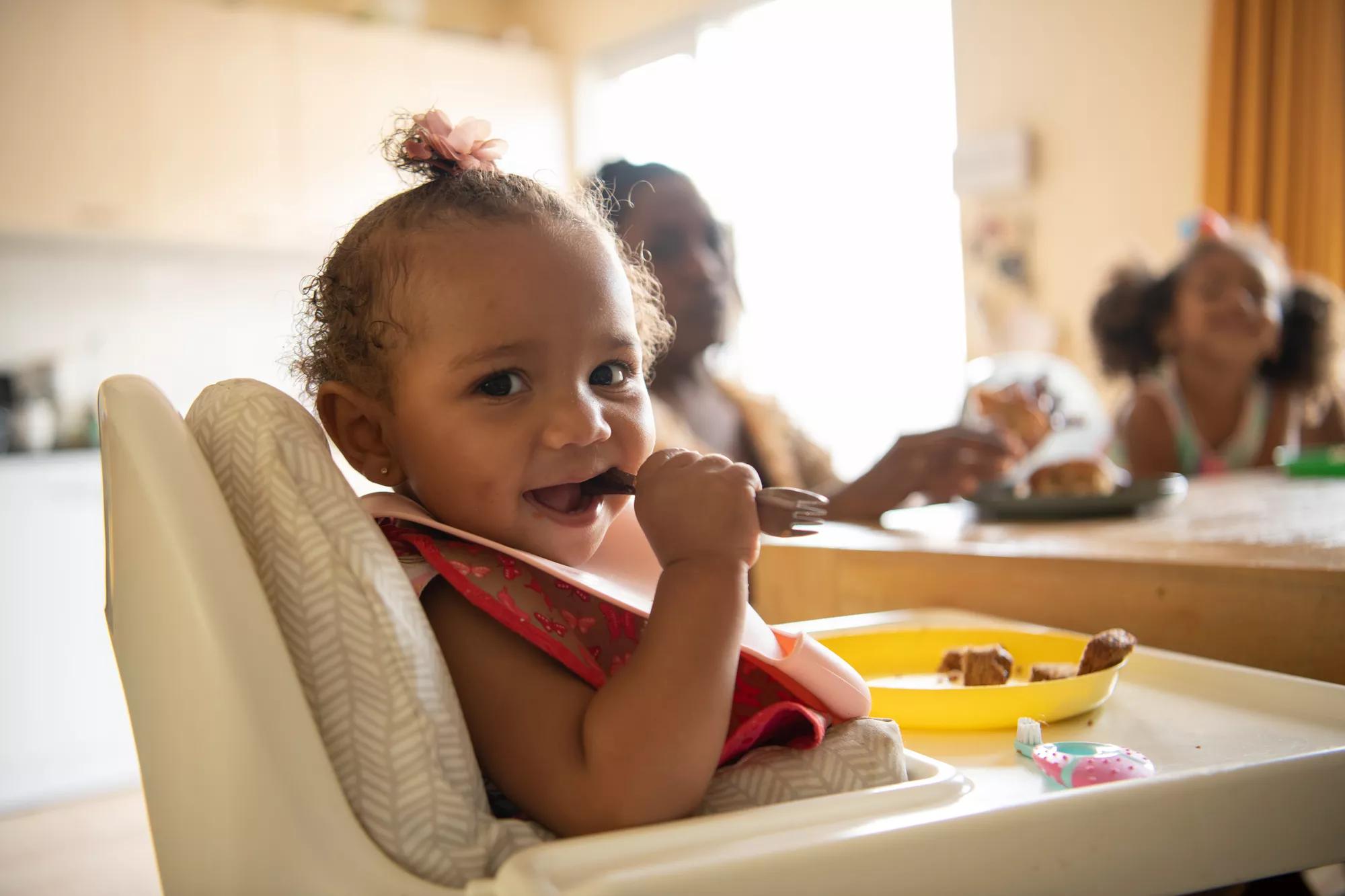
Choosing safe foods is very important for baby-led weaning. Babies explore food with their hands and mouths. Foods should be easy to hold and soft enough to chew. Safety helps prevent choking and makes mealtime fun and stress-free.
Parents should offer a variety of foods that support growth and development. Foods should provide good nutrition and be gentle on little tummies. Let’s look at the best options and which foods to avoid.
Soft cooked vegetables like carrot sticks or sweet potato are great first foods. Ripe fruits such as banana or avocado are easy to hold and taste sweet. Strips of soft cheese or well-cooked pasta also work well. These foods are soft, easy to grab, and full of nutrients.
Hard foods like raw carrots or whole nuts can cause choking. Avoid sticky foods such as peanut butter by itself. Whole grapes and cherry tomatoes should be cut into small pieces. Also, do not give honey before one year old due to health risks.
Introduce common allergenic foods one at a time. Watch for any signs of allergy like rash or swelling. Foods like eggs, fish, and peanuts can be given after checking with a doctor. Early introduction may help reduce allergy risk but must be done carefully.
Choking is a major concern for parents during baby-led weaning. Babies explore food with their mouths but lack full chewing skills. Knowing how to reduce choking risks keeps feeding safe and stress-free. Focus on preparing food safely, watching your baby closely, and knowing how to react in emergencies.
Cut food into small, manageable pieces. Avoid hard, round, or sticky foods that block the airway. Soft-cooked vegetables and ripe fruits work well. Remove seeds, pits, and skins. Offer foods that your baby can easily gum and swallow. Always test food texture before serving. Keep meals simple and safe.
Never leave your baby alone while eating. Sit your baby upright during meals. Watch for signs of struggle or discomfort. Encourage slow eating and chewing. Create a calm eating space without distractions. Stay close and attentive at all times. Your presence helps prevent choking incidents.
Learn infant choking first aid and CPR. Keep emergency numbers handy. Stay calm if choking occurs. Gently try to remove the object if visible. Avoid blind finger sweeps inside the mouth. Call for help immediately if the baby cannot breathe. Quick action can save your baby’s life.
Setting up the right environment for baby-led weaning helps your child enjoy meals. A good mealtime setup supports safety and comfort. It also encourages your baby to explore food with confidence. Small changes in the space can make a big difference during feeding times.
Select a seat that keeps your baby upright and stable. A high chair with a secure harness works well. Make sure the seat is at table height to join family meals. This helps your baby feel included and learn by watching others. Avoid seats that are too soft or unsafe for feeding.
Keep the mealtime area quiet and free from distractions. Turn off the TV and put away toys or devices. Soft lighting helps your baby stay focused on eating. A peaceful environment reduces fussiness and encourages better eating habits. Gentle talking and smiling create a warm, inviting space.
Baby-led weaning can bring many joys and learning moments. It also comes with some common challenges. Parents often face issues like messy eating, food refusal, and slow progress. Understanding these challenges helps parents stay calm and find easy solutions. This keeps the weaning process smooth and enjoyable for both baby and parent.
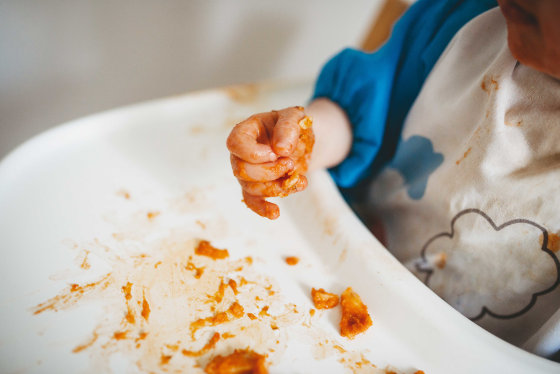
Messy eating is normal during baby-led weaning. Babies explore food with their hands and mouth. Expect spills, dropped food, and sticky fingers. Use a large bib and a mat under the high chair. Choose easy-to-clean surfaces and clothes you don’t mind staining. Encourage your baby by staying patient and relaxed. Mess helps babies learn and enjoy food.
Babies may refuse some foods at first. New tastes and textures can feel strange. Offer the same food several times without pressure. Try different shapes and temperatures. Serve food in small, safe pieces. Keep mealtime calm and positive. Avoid forcing or bribing your baby. Respect their appetite and trust their ability to eat.
Some babies take longer to eat independently. Each baby grows and learns at their own pace. Celebrate small steps like holding food or chewing. Keep offering a variety of healthy foods daily. Include family meals to encourage interest. Patience and consistency will help your baby develop skills over time. Trust the process and enjoy the journey.
Combining baby-led weaning with traditional feeding offers a flexible approach. Parents can mix methods to suit their baby’s needs and family lifestyle. This approach allows babies to explore solid foods while still receiving spoon-fed meals. It supports independence and ensures adequate nutrition.
Mixing these methods helps babies try different textures safely. Spoon-feeding purees can provide nutrients babies might miss. Baby-led weaning encourages self-feeding skills and hand-eye coordination. This balance can reduce mealtime stress for parents and babies.
Start by offering spoon-fed purees alongside finger foods. Let your baby explore soft pieces of fruits or vegetables. Watch your baby’s cues to see what they prefer. Gradually increase finger food portions as your baby gains confidence.
Always supervise your baby during meals. Choose soft, easy-to-hold foods to prevent choking. Keep mealtimes calm and relaxed to encourage eating. Stay patient as your baby learns to eat independently.
Consulting healthcare professionals is important before starting baby-led weaning. They provide guidance based on your baby’s health and development. These experts help ensure your baby’s safety during this new feeding stage.
Your pediatrician knows your baby’s medical history best. They can confirm if your baby is ready for solid foods. They also advise on any allergies or health concerns to watch for.
A dietitian offers advice on balanced nutrition for your baby. They suggest foods that meet your baby’s needs. They help plan meals to support healthy growth and development.
Consult a doctor if your baby has feeding difficulties. Look for signs like choking or refusal to eat. Early advice can prevent problems and ease your worries.
Baby-led weaning allows babies to self-feed solid foods from six months. It encourages independence and motor skills by letting babies explore textures and tastes at their own pace.
Start baby-led weaning around six months, when your baby can sit unsupported and shows interest in food. Always supervise to prevent choking and consult your pediatrician if unsure.
Offer soft, easy-to-grasp foods like steamed vegetables, ripe fruits, and soft-cooked meats. Avoid choking hazards like whole nuts, grapes, or hard raw vegetables for safety.
Cut foods into manageable sizes and always supervise your baby while eating. Encourage chewing and avoid foods that are hard, small, or sticky to reduce choking risks.
Baby-led weaning helps babies explore food at their own pace. It builds independence and encourages healthy eating habits. Parents should stay patient and watch for safety signs. Offering soft, easy-to-hold foods works best. Mealtime becomes a shared, fun experience for the whole family.
Trust your baby’s cues and enjoy the journey together. Small steps lead to big progress in feeding skills. Keep calm and support your baby’s growth every day.


