




Are you looking for simple ways to boost your baby’s growth and happiness? Cooking at home might be the secret you haven’t tried yet.
When you prepare meals yourself, you control what goes into your baby’s food, making sure it’s fresh, healthy, and full of the nutrients they need. But it’s not just about nutrition—home cooking can also help your baby’s brain, taste buds, and even emotional development.
Keep reading to discover how spending time in the kitchen with your little one can give them a strong start in life.
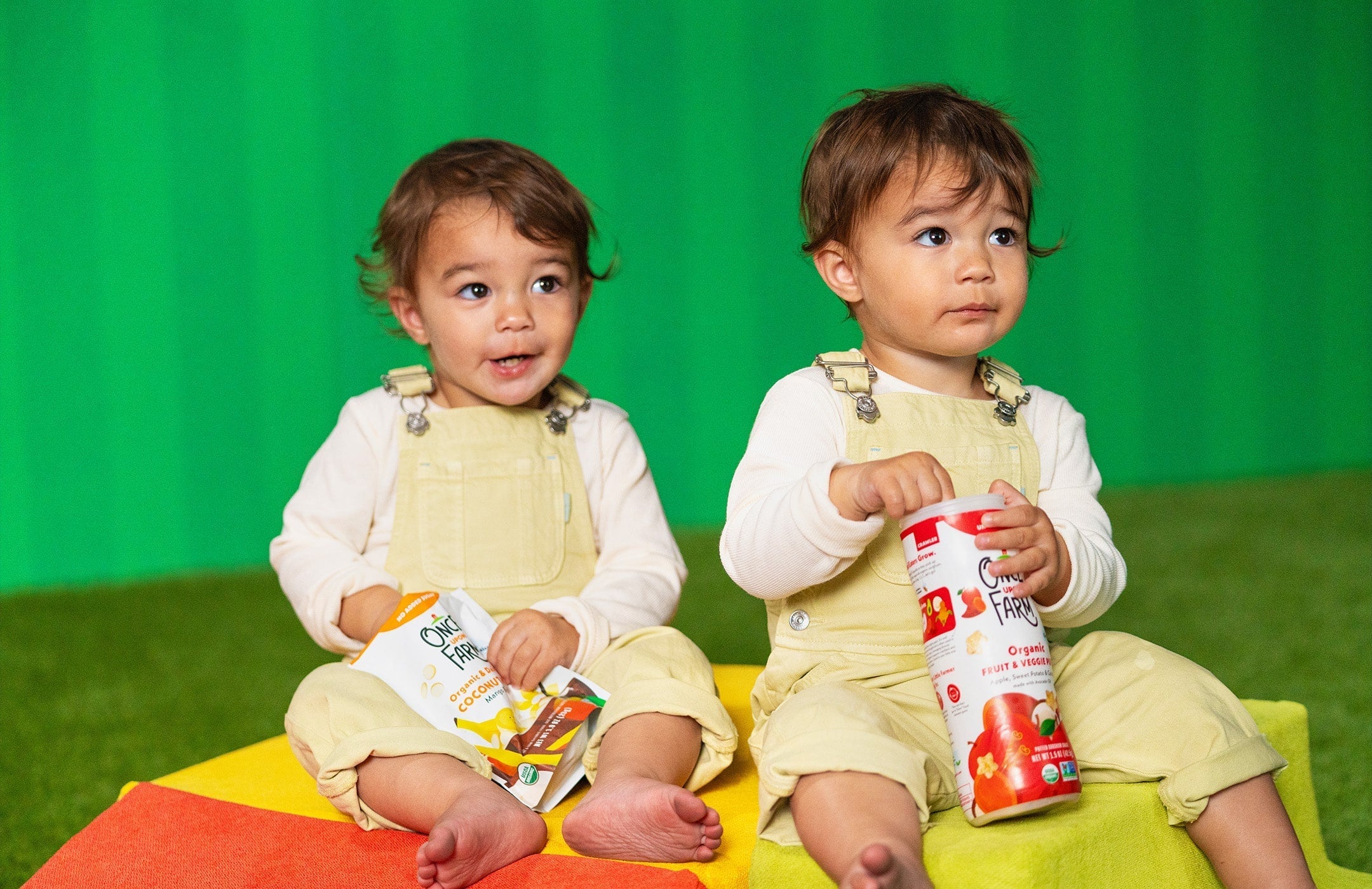
Cooking at home offers many nutritional benefits for your baby’s growth. Fresh meals provide essential nutrients that support brain and body development. Homemade food helps ensure your baby gets the right balance of vitamins and minerals every day.
Parents can choose the best ingredients and prepare meals suited to their baby’s needs. This control helps avoid common problems linked to unhealthy processed foods.
Preparing meals at home lets you pick fresh, natural ingredients. You can avoid too much salt, sugar, and unhealthy fats. This control helps reduce the risk of allergies and digestion problems. It also allows you to include a variety of fruits, vegetables, and proteins. All these support your baby’s healthy growth.
Home cooking makes it easier to offer balanced meals. You can combine carbohydrates, proteins, and fats in the right amounts. Balanced meals give your baby steady energy and help brain development. You can also adjust portions to match your baby’s age and appetite. This way, your baby learns good eating habits early on.
Many store-bought baby foods contain additives and preservatives. These chemicals can affect your baby’s health and taste preferences. Cooking at home means you avoid these harmful substances. Your baby enjoys pure, natural flavors that encourage healthy eating habits. This also lowers the risk of reactions or sensitivities to artificial ingredients.

Cooking at home plays a big role in helping your baby’s senses grow. Babies learn a lot through their senses. Tasting, touching, smelling, and seeing food all help build brain skills. These experiences support their development in many ways. Home cooking offers fresh chances to explore new smells, tastes, and textures safely. It creates a rich environment for sensory growth.
Babies get to try many different flavors with home-cooked meals. This variety helps their taste buds develop well. They learn to enjoy sweet, sour, bitter, and savory tastes early on. Trying new flavors also reduces fussiness about food later. It makes mealtime a fun and adventurous time for them.
Different food textures help babies learn about touch and mouth movements. Soft, crunchy, smooth, and lumpy foods all teach new skills. Texture exploration builds chewing and swallowing strength. It also improves fine motor skills as babies try to pick up food. This variety helps them become confident eaters.
The smell of fresh food cooking at home excites babies’ senses. Aromas help stimulate appetite and curiosity. Colorful fruits and vegetables attract their eyes and encourage eating. Bright and varied food looks more interesting and fun to try. These sensory cues create positive mealtime experiences for your baby.
Cooking at home plays a big role in shaping your baby’s eating habits. Healthy eating habits start early. Preparing meals at home helps guide your baby toward nutritious choices. It creates a strong foundation for lifelong health and wellness.
Home cooking introduces your baby to many flavors and textures. You can offer fruits, vegetables, grains, and proteins in many forms. This variety helps your baby accept new foods more easily. Trying different foods early can reduce picky eating later.
Homemade meals limit exposure to processed foods. Processed foods often contain sugar, salt, and unhealthy fats. These can harm your baby’s growth and development. Cooking at home means you control ingredients and avoid additives.
Sharing meals at home creates warm, positive experiences. Your baby links food with comfort and love. This connection encourages a healthy relationship with eating. Positive mealtime memories help your baby enjoy food and try new dishes.

Cooking at home helps bring families closer. It creates moments where everyone feels connected. These moments build trust and love between parents and babies. Strong family bonds support a baby’s emotional and social growth. Sharing time together around food sets a strong foundation for future relationships.
Eating together allows babies to learn social skills. They watch faces and listen to voices. These moments teach babies about communication and emotions. Mealtime is a chance for parents to show care and attention. It helps babies feel safe and loved. Sharing food also introduces babies to different tastes and smells.
Letting babies explore simple kitchen tasks is helpful. Touching ingredients or stirring with help excites their senses. This involvement builds curiosity and confidence. Babies learn cause and effect by watching food change. It also strengthens the bond as parents and babies work together. Cooking becomes a fun, shared activity that builds trust.
Regular cooking and eating times create stability for babies. Babies feel secure when routines are clear and simple. Consistent mealtimes help regulate their hunger and mood. Routine cooking times give parents and babies a daily chance to connect. This steady rhythm supports emotional development and family closeness.
Cooking at home offers many chances for babies to grow their minds. It helps build strong brain skills early on. Preparing food and eating together create a rich learning space. Babies learn by using all their senses and by interacting with their environment. These moments support their thinking and understanding.
Babies explore the world through touch, taste, smell, sight, and sound. Cooking at home exposes them to many new smells and textures. They feel the softness of dough or the crunch of vegetables. Tasting different flavors helps their brains recognize and remember food. These sensory experiences help build strong neural connections.
Talking during cooking and eating introduces new words to babies. Parents name foods, colors, and actions like stirring or pouring. This simple language helps babies learn sounds and meanings. Mealtime conversations boost vocabulary and language skills. Babies start to understand words faster in this safe, fun setting.
Cooking invites babies to watch and ask questions. They see how ingredients change when mixed or heated. This sparks curiosity and problem-solving skills. Babies learn cause and effect by observing cooking steps. Their natural desire to explore grows stronger with each meal prepared.
Cooking at home for your baby supports their growth and health. It helps you control ingredients and create fresh, nutritious meals. Simple habits can make home cooking easier and safer. Here are some practical tips to guide you through this rewarding process.
Start with easy recipes that use few ingredients. Pureed vegetables like carrots or sweet potatoes work well. Soft fruits such as banana or avocado are good choices. Mix flavors slowly to help your baby adjust. Avoid salt, sugar, and strong spices. Keep textures smooth for younger babies.
Clean all surfaces and utensils before cooking. Wash your hands thoroughly to stop germs. Use fresh ingredients and check expiration dates. Cook foods well to kill bacteria. Cut food into small, safe pieces to prevent choking. Store leftovers in airtight containers promptly.
Plan meals ahead to save time during busy days. Cook in batches and freeze portions for later. Use simple tools like steamers or slow cookers. Prepare snacks in advance for quick feeding. Set a regular cooking schedule to build routine. Focus on quality, not complexity, for best results.
Cooking at home allows you to control ingredients and avoid additives. It ensures fresh, balanced meals with essential nutrients. This supports healthy growth and brain development in babies. Homemade food also helps introduce diverse flavors and textures early on.
Yes, nutritious home-cooked meals provide vital vitamins and minerals for brain development. Balanced diets rich in iron, omega-3, and antioxidants boost memory and learning. Early exposure to varied foods stimulates sensory and cognitive growth in babies.
Offering diverse foods at home introduces different nutrients and textures. This variety supports healthy digestion, prevents picky eating, and encourages curiosity. It also promotes fine motor skills as babies learn to chew and explore new tastes.
Preparing meals together fosters interaction and emotional connection. It creates a nurturing environment for the baby to feel secure. Sharing home-cooked meals encourages healthy eating habits and positive family routines.
Cooking at home gives your baby healthy and fresh food. It helps your baby learn about tastes and textures. You can control what goes into every meal. This creates a safe and loving environment. Sharing meals also builds strong family bonds.
Cooking together teaches good habits early on. Your baby grows stronger and smarter every day. Simple home meals support your baby’s growth best. Keep cooking at home to help your baby thrive.


