




When it comes to your baby’s diet, you might wonder if fats are good or bad. You’ve probably heard mixed messages that make it hard to know what’s right.
But here’s the truth: fats are not the enemy. In fact, they play a crucial role in your baby’s growth and brain development. If you want to give your little one the best start, understanding fats is key. Keep reading to discover what types of fats your baby truly needs and how to include them safely in their meals.
This knowledge could change the way you feed your baby forever.
Fats are an important part of a baby’s diet. They help with brain growth and energy. Not all fats are the same. Some are good for your baby, and some are not. Knowing the types of fats helps you choose the best foods.
Babies need a mix of fats to grow strong and healthy. Here we explain the main types of fats found in baby nutrition.
Saturated fats are solid at room temperature. They come from animal products like butter and cheese. Too much saturated fat can be unhealthy.
Unsaturated fats are liquid at room temperature. These fats come from plants and fish. They help keep the heart and brain healthy. Unsaturated fats are better for babies than saturated fats.
Omega-3 and Omega-6 are special types of unsaturated fats. They are essential, meaning the body cannot make them. These fats support brain development and vision in babies.
Omega-3 fats are found in fish oils and flaxseed. Omega-6 fats come from vegetable oils. Both types must be balanced for healthy growth.
Trans fats are man-made fats found in some processed foods. They are harmful to the heart and brain. Trans fats can increase bad cholesterol and inflammation.
Babies should avoid trans fats as much as possible. Reading labels helps keep these fats out of your baby’s diet.
Fats play a key role in a baby’s brain growth. The brain is made up of nearly 60% fat. Babies need certain fats to build strong brain cells. These fats help form connections between brain cells. This helps babies learn and remember better.
Choosing the right fats for your baby supports healthy brain development. Not all fats are equal. Some fats are very important for the brain’s structure and function. Understanding these fats helps you give your baby a good start.
DHA and EPA are special fats found in fish oils. These fats are vital for brain and eye development. DHA makes up a large part of the brain’s structure. Babies need DHA to build healthy brain cells.
EPA helps reduce inflammation and supports brain function. Both DHA and EPA aid in the growth of nerve cells. Babies who get enough DHA and EPA may develop better thinking skills. These fats support focus, memory, and learning abilities.
Fats provide energy for the growing brain. They help form the protective layer around nerve cells. This layer, called myelin, speeds up brain signals. Faster signals improve a baby’s ability to learn and react.
Good fats also help produce important brain chemicals. These chemicals affect mood and attention. Babies who get enough healthy fats often show stronger cognitive skills. Choosing the right fats supports a smart and healthy brain.
Fat is a vital part of a baby’s diet. It supports brain growth and provides energy. Babies need more fat than adults to grow strong and healthy. Knowing how much fat your baby needs helps you choose the right foods. This section explains the recommended fat intake and how to balance it with other nutrients.
Babies between 6 months and 12 months should get about 30 to 40 percent of their calories from fat. This high fat intake supports rapid brain and body growth. Breast milk and formula naturally provide the needed fats. As babies start eating solids, include healthy fats from foods like avocado, cheese, and full-fat yogurt. Avoid low-fat or fat-free products for babies under one year.
While fats are important, babies also need proteins and carbohydrates. These nutrients work together for energy and development. Offer a variety of foods, including fruits, vegetables, grains, and proteins. Ensure fats come from healthy sources like fish, nuts (if safe), and oils such as olive oil. Avoid excess sugar and processed foods. Balance helps your baby develop well and stay healthy.
Healthy fats are essential for your baby’s growth and brain development. Babies need good fats to build cells and support energy. Choosing the right sources helps ensure your baby gets these important nutrients. This section explains where healthy fats come from in a baby’s diet.
Breast milk is the best source of healthy fats for infants. It contains DHA and other important fatty acids that help the brain and eyes grow. Formula is designed to mimic breast milk and includes added fats for energy and development. Both provide the necessary fats babies need in their first months.
As babies start solid foods, include options high in good fats. Avocados are soft and full of healthy fats. Full-fat yogurt offers protein and fat for energy. Mashed sweet potatoes and cooked egg yolks also provide essential fats. These foods support ongoing growth and brain health.
Fats in a baby’s diet often cause confusion. Many parents hear mixed messages from different sources. Some myths create fear about feeding fats to infants. These myths can lead to poor nutrition choices. Understanding the truth about fats helps parents make better decisions.
Many people think fats directly cause obesity in babies. This is not true. Babies need fats for growth and brain development. Overfeeding any food, not just fats, can lead to weight problems. Balanced feeding and healthy fats are key for a healthy baby.
Not all fats harm babies. Some fats are healthy and necessary. Good fats support brain, eye, and nerve growth. Avoiding fats completely can slow down development. Focus on healthy fats found in breast milk, avocado, and fish.
Low-fat diets are not safe for infants. Babies need more fat than adults. Fat provides energy and helps absorb vitamins. Cutting fats too much can cause nutrient deficiencies. Offer a variety of foods with healthy fats to support growth.

Fats play an important role in your baby’s growth and brain development. Too little or too much fat can cause health problems. Knowing the signs of fat deficiency or excess helps you support your baby’s well-being. Early detection can prevent serious issues and keep your baby healthy.
Fat deficiency may show as dry, scaly skin or constant fussiness. Your baby might have slow weight gain or feel tired often. Poor brain development can cause trouble with learning and movement. On the other hand, too much fat can lead to excessive weight gain. This may cause breathing problems or difficulty moving. Watch for unusual sleep patterns or digestive issues like diarrhea or constipation.
Seek medical advice if you notice persistent skin problems or poor weight gain. Consult a doctor if your baby is overly sleepy or irritable without clear reasons. Unusual changes in eating habits or bowel movements also need attention. Early check-ups help catch fat-related problems early. Your pediatrician can guide proper nutrition and recommend tests if needed.
Fats are important for your baby’s growth and brain development. Including healthy fats in their diet helps support strong bones and a healthy heart. Choosing the right types of fats and planning meals carefully can make a big difference in your baby’s health.
Offer foods rich in healthy fats like avocado, full-fat yogurt, and nut butters. Small amounts of olive oil or flaxseed oil can be mixed into purees. Include fatty fish such as salmon for omega-3 benefits. Try mashed sweet potatoes with a drizzle of olive oil. These meals provide essential fats and taste good too.
Steer clear of trans fats found in processed snacks and fried foods. Limit saturated fats from fatty cuts of meat and butter. Instead, choose lean meats and plant-based oils. Read labels carefully to spot hidden unhealthy fats. Healthy fat choices protect your baby’s heart and overall health.
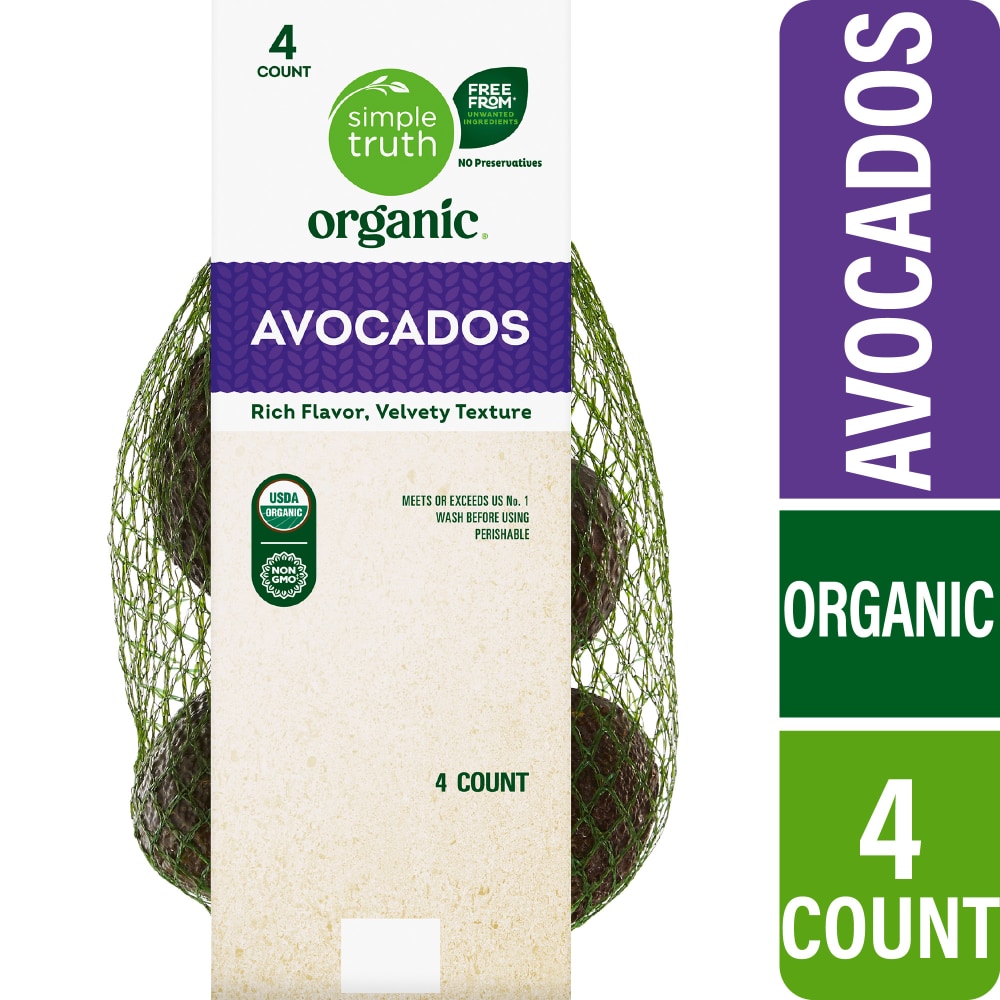
Healthy fats like omega-3 and omega-6 support brain and eye development. Sources include breast milk, formula, avocados, and fatty fish.
Babies need about 30-50% of their calories from fat for growth and energy. Always consult your pediatrician for personalized advice.
Too little fat can harm development, but excessive unhealthy fats may lead to health issues. Balance is key for optimal growth.
Introduce healthy fats around six months with solid foods. Start with avocado, nut butters, or oily fish, depending on allergies.
Healthy fats play a key role in your baby’s growth and brain development. Choose natural sources like avocados, nut butters, and fish. Avoid too much processed fat and sugary snacks. Balance is important for strong bones and a happy tummy.
Trust your instincts and keep your baby’s diet varied. This helps build healthy eating habits early on. Remember, fats are friends, not foes, in your baby’s meals. Simple choices lead to big benefits. Keep learning and stay patient as your baby grows.


