




You’ve been feeding your baby milk or formula for months, but now you’re wondering—how do you know when it’s time to introduce solid food? It’s a big step for both you and your little one.
If you start too early or too late, it can cause frustration or even health issues. Knowing the right signs your baby is ready can make this transition smoother and more enjoyable. You’ll discover clear, simple clues that show your baby is prepared to take that exciting first bite.
Keep reading—you don’t want to miss these important tips that can help your baby thrive.
Starting solid foods is a big step for your baby. It marks a new stage in their growth and development. Knowing the right time helps your baby enjoy food safely and happily.
Every baby is different. Some may be ready a little earlier or later than others. Watching for signs can guide you better than just the calendar.
Most babies start solid foods around six months old. This age fits most babies’ development and nutrition needs. Before six months, breast milk or formula usually meets all their needs.
Introducing solids too early can cause choking or stomach problems. Too late may delay important skills like chewing and swallowing. Six months is a good average, but watch your baby’s readiness.
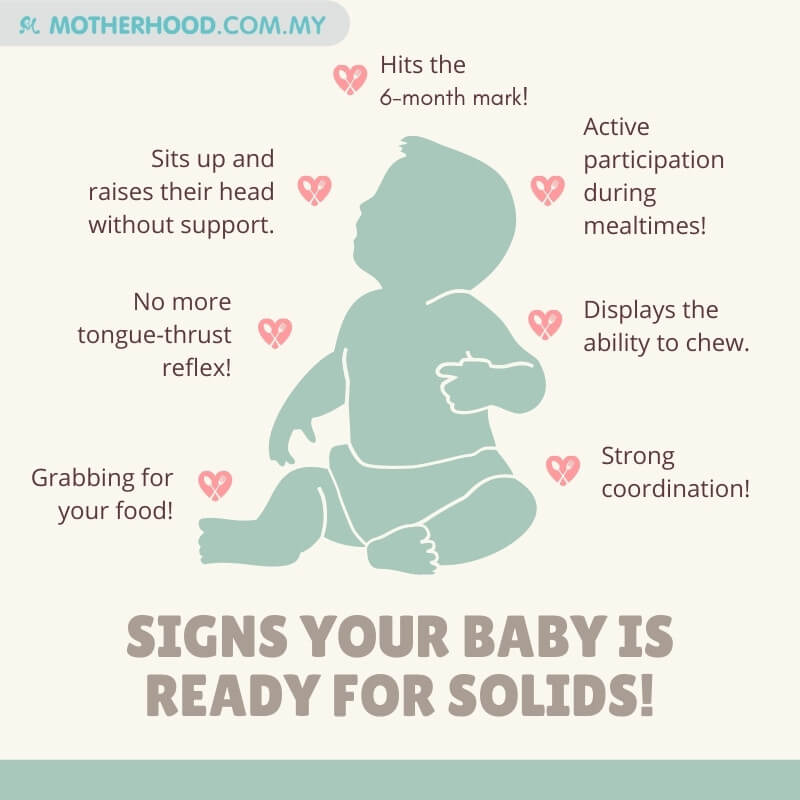
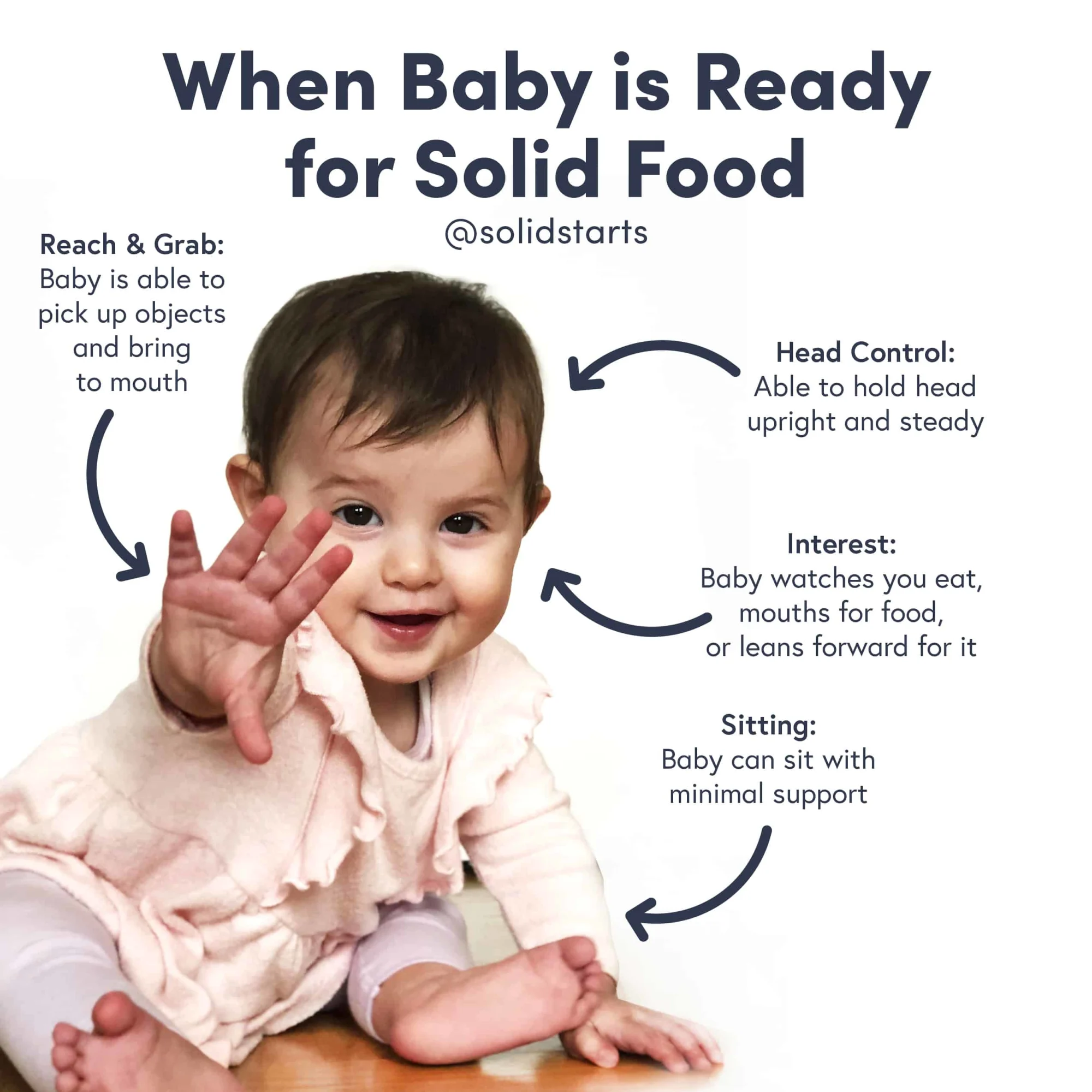
Your baby shows signs they are ready for solids. They can sit up with little support. This helps them swallow food safely.
Babies also show interest in food. They may watch you eat or open their mouth for a spoon. Losing the tongue-thrust reflex, which pushes food out, is another sign.
Weight gain is important too. Babies usually double their birth weight by six months. This means they need more nutrients than milk alone can provide.

Recognizing when your baby is physically ready for solid food is key. These signs show your baby’s body can handle new foods safely. Watch closely for these important milestones before starting solids.
Your baby needs good head and neck control. This control helps them swallow food safely. Without it, choking risks increase. You will see your baby hold their head steady and upright.
Sitting up without help is a strong sign of readiness. This position helps your baby eat without choking. It also supports better digestion. Babies usually sit up well around six months.
The tongue-thrust reflex pushes food out of the mouth. Babies have this reflex to protect their throat. When it fades, they can move food to the back of the mouth. This change shows they are ready to try solids.
Babies give clear signs through their behavior when they are ready for solid foods. These clues help parents know the right time to start feeding solids. Watching your baby’s actions closely can make this transition smooth and safe.
Behavioral signs are easy to spot and show your baby’s interest and readiness for new tastes and textures.
Your baby may watch you eat and reach for your food. They might open their mouth when food comes near. This shows curiosity and a desire to try new things. A baby interested in food is ready to explore solid options.
Babies ready for solids start moving their mouth differently. They can chew or move food around their mouth. Sucking motions become less frequent. These movements help prepare them for swallowing solid food safely.
Your baby may seem hungrier than usual. Breast milk or formula might not fill them up as before. They may want to eat more often or for longer periods. Increased hunger can mean they need more nutrients from solids.
Choosing the first foods for your baby is an exciting step. It helps your baby explore new tastes and textures. These foods also provide important nutrients for growth. Start with simple options that are easy to digest. Pay attention to your baby’s reactions to new foods. This helps ensure they enjoy mealtime and stay safe.
Begin with foods that contain only one ingredient. Examples include pureed carrots, sweet potatoes, or apples. Single-ingredient foods help spot any allergies or sensitivities. Introduce one food at a time and wait several days before trying another. This process helps track your baby’s response to each food.
Start with smooth, soft textures to avoid choking risks. Purees and mashed foods work best for beginners. Gradually thicken the texture as your baby learns to chew. Small, soft lumps can come next. This change helps your baby develop chewing skills and mouth muscles.
Introduce common allergenic foods carefully and early. Foods like eggs, peanuts, and fish can be given in small amounts. Watch for signs of allergic reactions such as rashes or swelling. Consult your pediatrician if you have family allergy history. Early introduction may help reduce allergy risks.
Introducing solid food to your baby is a big step. It’s normal to feel unsure about how to start. These feeding tips help parents make this time smooth and enjoyable. Focus on simple routines and watch your baby’s cues closely. Let your little one explore eating with their hands. This builds confidence and independence in eating.
Set regular times for feeding your baby each day. Babies feel more comfortable with a routine. Start with one small meal a day. Gradually increase to two or three meals as your baby grows. Use the same spot and chair for feeding. This helps your baby know what to expect. Keep mealtime calm and relaxed. Avoid distractions like TV or toys.
Observe your baby closely after trying new foods. Look for signs of allergies like rashes or swelling. Digestive issues like diarrhea or vomiting also need attention. Introduce one new food at a time. Wait three to five days before offering another new food. This helps identify any food sensitivities. Trust your baby’s signals about hunger and fullness.
Allow your baby to hold soft foods with their fingers. This practice improves hand-eye coordination. Use small, easy-to-grasp pieces like cooked vegetables or soft fruits. Expect messes; it’s part of learning. Offer a spoon but let your baby try to use it. Praise their efforts to boost confidence. Self-feeding supports healthy eating habits early on.
Introducing solid food to your baby is a big step. It can also bring some challenges. Knowing these common issues helps parents stay calm and patient.
Babies might refuse new foods at first. This is normal. Their taste buds are still learning. Keep offering the same food several times. It may take many tries before they accept it. Avoid forcing your baby to eat. Let them explore food at their own pace.
New foods can change your baby’s digestion. You may notice changes in stool color and texture. Some babies may get gas or mild tummy discomfort. These signs usually pass within a few days. Introduce one food at a time. This helps spot any allergies or sensitivities.
Feeding your baby can be messy. Food may end up on clothes, floor, and face. This is part of the learning process. Use bibs and place mats to protect clothing and surfaces. Let your baby play with food. It helps develop motor skills and makes mealtime fun.
Knowing when to start solid foods is important for your baby’s health. Sometimes, questions or worries arise. Talking to a pediatrician helps ensure your baby is ready and safe to eat solids. They guide you through any concerns and provide advice tailored to your child’s needs.
Slow weight gain or poor growth may need a doctor’s check. Babies not growing well might need special feeding plans. A pediatrician checks if your baby is healthy and growing properly. They help decide the right time to start solids for better growth.
Allergies can cause rashes, swelling, or breathing problems. A family history of allergies means extra caution is needed. Your pediatrician can suggest how to introduce new foods safely. They guide on spotting allergy signs early to keep your baby safe.
Some babies struggle with swallowing or chewing. Refusing food or gagging often needs a doctor’s advice. A pediatrician can check for oral or swallowing issues. Early help makes feeding easier and safer for your baby.
Babies typically start solid foods around 6 months old. This timing aligns with their developmental readiness and nutritional needs. Consult your pediatrician before beginning solids for personalized advice.
Signs include good head control, sitting with support, and showing interest in food. Babies also lose the tongue-thrust reflex, allowing them to swallow solids safely.
Observe if your baby can move food to the back of the mouth and swallow without choking. Gagging is normal but persistent coughing may signal difficulty.
Yes, introducing solids before 4 months can cause choking, allergies, or digestive issues. Wait until your baby shows readiness signs to ensure safety and nutrition.
Watching your baby’s signals helps you know when to start solids. Signs like sitting up well and showing interest in food matter. Starting solids at the right time supports healthy growth. Trust your baby’s pace and keep mealtime fun and calm.
Always offer a variety of healthy foods to explore. This step is exciting but needs patience and care. Your baby’s journey to eating solids is a big milestone. Keep observing and enjoy these special moments together.


