




Are you looking for a simple, safe, and nutritious way to introduce your baby to new flavors? The perfect baby smoothie formula can be a game-changer for your little one’s health and happiness.
Imagine giving your baby a delicious blend packed with vitamins and minerals, made from ingredients you trust. You’ll discover exactly how to create smoothies that support your baby’s growth while keeping things gentle and safe. Keep reading to find out the easy steps to make nutritious smoothies your baby will love!
Baby smoothies offer many benefits for your little one’s health and development. They provide a tasty way to include essential nutrients in your baby’s diet. Smoothies can make mealtime fun and exciting while supporting growth and digestion.
These drinks are easy to prepare and can be tailored to your baby’s preferences. They help introduce new flavors and textures safely. Babies enjoy the smooth texture, making it easier to try new foods.
Baby smoothies combine fruits, vegetables, and dairy or plant-based milk. This mix delivers vitamins, minerals, and protein. Nutrients like vitamin C, calcium, and iron support strong bones and healthy muscles. Smoothies help meet your baby’s daily nutrient needs quickly and deliciously.
Smoothies allow gentle exposure to different tastes. Babies develop their palate by trying mild or sweet flavors. This helps reduce fussiness about food later. Mixing familiar and new ingredients encourages curiosity and acceptance of solid foods.
Babies need plenty of fluids for hydration. Smoothies add water content while providing nourishment. Ingredients like yogurt and fruits contain natural enzymes. These support digestion and soothe the tummy. Smoothies can ease constipation and promote regular bowel movements.
Choosing safe ingredients is key for making a healthy baby smoothie. Babies have delicate digestive systems. They need gentle, easy-to-digest foods. Using the right ingredients helps avoid tummy troubles and allergies. It also ensures your baby gets essential nutrients for growth.
Pick soft fruits like banana, avocado, or cooked apple. These are gentle on the stomach and full of vitamins. Sweet potato and carrot are great cooked veggies to add. They provide fiber and important nutrients. Avoid citrus fruits at first because they can irritate sensitive skin.
Introduce one new ingredient at a time. Watch for any reactions like rash, swelling, or vomiting. Common allergens include nuts, dairy, and eggs. Delay these until your baby is older or has tried other foods without problems. Always check with your pediatrician about allergen introduction.
Organic fruits and vegetables have fewer pesticides. This lowers the risk of harmful chemicals in your baby’s food. Non-organic can be safe if washed well. Choose organic for soft-skinned produce like berries and spinach. For thick-skinned foods like bananas, non-organic is usually fine.
Babies need the right nutrients to grow strong and stay healthy. Their tiny bodies use these nutrients for brain development, bone growth, and energy. A baby smoothie can provide many of these essentials in a gentle, tasty way. Choosing the right ingredients ensures the smoothie is safe and packed with nutrition. Here are the key nutrients every baby needs.
Vitamins and minerals help babies build strong bones and fight illness. Vitamin A supports good eyesight and skin health. Vitamin C helps the body absorb iron and heal wounds. Iron is crucial for brain development and energy. Calcium strengthens bones and teeth. Including fruits like mango, spinach, and sweet potato adds these vital nutrients naturally.
Healthy fats are important for brain and eye growth. Avocado and full-fat yogurt provide good fats that babies can digest easily. Protein builds muscles and repairs tissues. Adding a small amount of nut butter or cooked lentils boosts protein levels. These ingredients make the smoothie filling and support steady growth.
Fiber helps babies digest food smoothly and avoid constipation. Fruits like pears, apples, and berries are rich in fiber and taste sweet. Hydration is also key. Water-rich ingredients like cucumber or watermelon keep babies hydrated. Smoothies with these elements support digestion and keep babies comfortable.
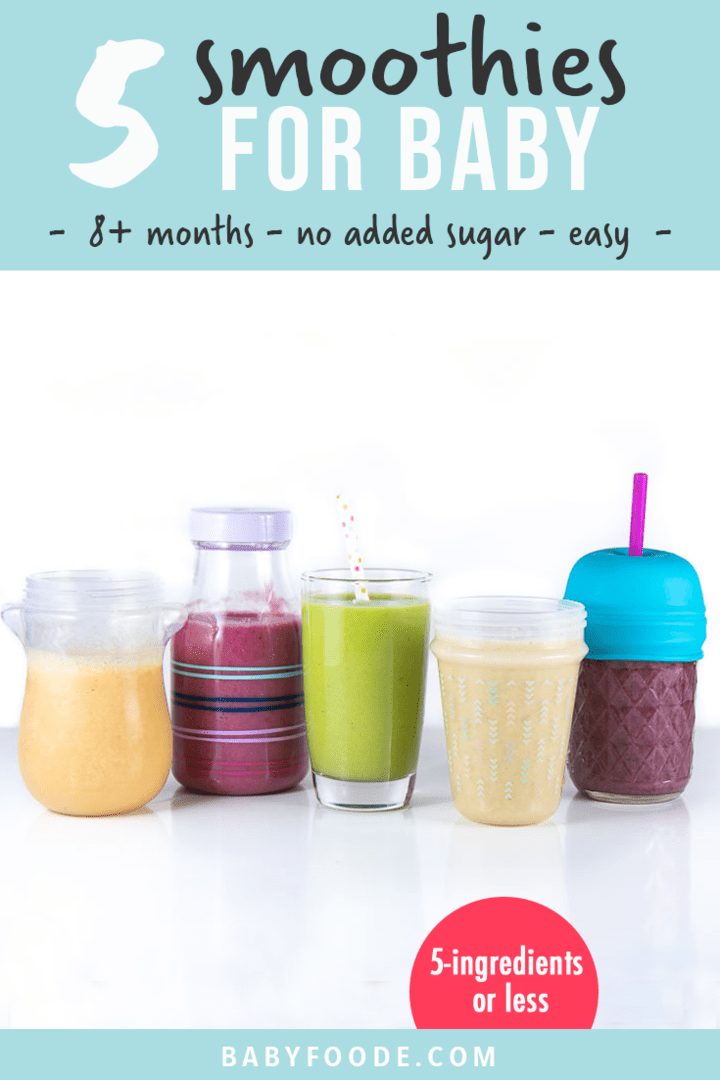
Simple baby smoothie recipes make feeding easy and fun. They are quick to prepare and full of nutrients. Each recipe uses safe ingredients perfect for little tummies. Try these ideas to keep your baby happy and healthy.
Fruit-only blends are sweet and gentle for babies. Use ripe bananas, soft pears, or juicy peaches. Blend with a little water or breast milk for smooth texture. These blends offer natural vitamins and fiber. They are a great way to introduce new fruits.
Veggie-infused smoothies add important vitamins and minerals. Use mild veggies like cooked carrots, sweet potatoes, or zucchini. Blend with fruit to make the taste more pleasant. This mix helps babies enjoy vegetables early on. It supports healthy growth and digestion.
Grains and proteins make smoothies more filling and balanced. Add cooked oats, quinoa, or rice for energy. Use plain yogurt, cottage cheese, or mashed beans for protein. These ingredients help build strong muscles and bones. They also keep babies full longer between meals.
Preparing and storing baby smoothies requires care to keep them safe and tasty. Proper preparation ensures the right texture and nutrients. Correct storage helps keep the smoothie fresh and healthy for your baby.
Use fresh or frozen fruits for natural sweetness. Blend ingredients until smooth to avoid choking hazards. Add a little water, breast milk, or formula to thin the smoothie. Check the texture by spooning a small amount. It should be creamy and easy to swallow. Avoid lumps and chunks that might be hard for your baby.
Store smoothies in clean, airtight containers. Use glass or BPA-free plastic jars for safety. Keep smoothies in the refrigerator for up to 24 hours. Do not leave smoothies at room temperature for more than two hours. Freeze smoothies in small portions for longer storage. Thaw frozen smoothies in the fridge, not on the counter. Always smell and check the smoothie before serving. Throw away any smoothie that smells or looks off.
Start with small servings, about 2 to 4 ounces per feeding. Gradually increase the amount as your baby grows. Serve smoothies once or twice a day depending on your baby’s appetite. Watch your baby’s reaction to new ingredients carefully. Offer smoothies as part of a balanced diet with other foods. Avoid giving too many smoothies to prevent filling up on liquids alone.
Making a baby smoothie can be fun and healthy. But some mistakes can harm your baby’s health. Avoid these common errors to keep smoothies safe and nutritious. Each mistake can affect your baby’s growth and taste for healthy food.
Too much sugar is harmful to babies. It can cause tooth decay and upset stomachs. Avoid adding honey, syrup, or sugary juices. Use natural sweetness from fruits like bananas or pears. Keep sugar levels low for better health and taste.
Babies can have food allergies even to common ingredients. Always introduce new foods one at a time. Watch closely for any reaction like rashes or swelling. Consult a doctor before adding nuts, dairy, or eggs. Allergy awareness keeps your baby safe and happy.
Some foods are unsafe for babies under one year. Avoid raw honey, whole nuts, and certain spices. Also, skip unpasteurized milk or juices. Use fresh, clean, and age-appropriate ingredients only. Safety is key for healthy baby smoothies.
Introducing smoothies to your baby can be a fun and healthy step. It helps your little one enjoy new flavors and textures. Knowing the right time to start is important for safety and nutrition. This guide explains when to introduce smoothies to your baby.
Babies usually start eating solid foods around six months. At this age, you can try simple pureed fruits and vegetables. Smoothies with safe ingredients can be introduced after your baby tries single foods. Many experts suggest waiting until your baby is about eight to ten months old. This timing helps your baby handle different textures and avoid allergies.
Look for signs your baby is ready for smoothies. Your baby should sit up well without support. They should show interest in foods and open their mouth for a spoon. Your baby should not push food out with their tongue. These signs mean your baby can handle new textures safely.
Talk with your pediatrician before giving your baby smoothies. They know your baby’s health history and needs. Your doctor can advise on the best time to start. They can also suggest safe ingredients and portion sizes. This ensures your baby’s nutrition stays balanced and safe.
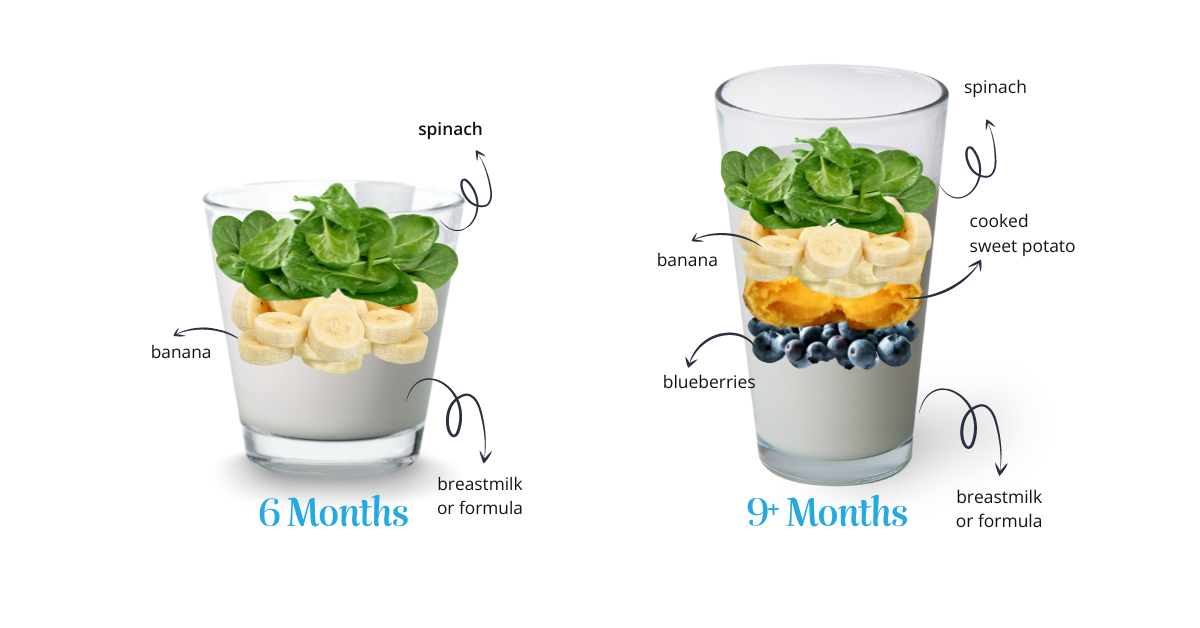
Use fresh fruits, vegetables, and whole milk or breast milk. Avoid honey, nuts, and added sugar. Always ensure ingredients are age-appropriate and allergen-free.
Include a balance of fruits, veggies, protein, and healthy fats. Use natural ingredients and avoid artificial additives or sweeteners for optimal nutrition.
Babies can begin smoothies after six months, once they start solids. Introduce one ingredient at a time to monitor allergies and digestion.
Smoothies can supplement but not replace solid meals. They provide extra nutrients but should not be the sole food source.
Creating a safe and healthy baby smoothie is simple. Use fresh fruits, veggies, and natural ingredients. Avoid added sugars or artificial flavors. Always check for allergies before trying new foods. Keep textures smooth for easy swallowing. Small portions help your baby adjust well.
Homemade smoothies offer balanced nutrition every time. Enjoy watching your little one explore new tastes. Healthy habits start early and grow strong. Keep experimenting with safe, tasty recipes often. Your baby will thank you with happy smiles.


