




Are you wondering when and how to start giving your baby solid foods? Introducing solids is a big step in your little one’s life—and it can feel overwhelming.
You want to make sure your baby gets the right nutrients, enjoys the new tastes, and stays safe. This complete guide will walk you through everything you need to know, from the best time to begin, to what foods to try first, and how to spot any signs of allergies.
Keep reading, and you’ll feel confident and ready to make this exciting transition smooth and enjoyable for both you and your baby.
Starting solid foods is an important step in your baby’s growth. It means your baby is ready to try new tastes and textures. Knowing when to begin solids helps avoid feeding problems and keeps your baby healthy.
Your baby shows interest in food. They watch you eat and open their mouth. They can sit well with little support. Your baby can move food from a spoon to their throat. These are good signs your baby is ready.
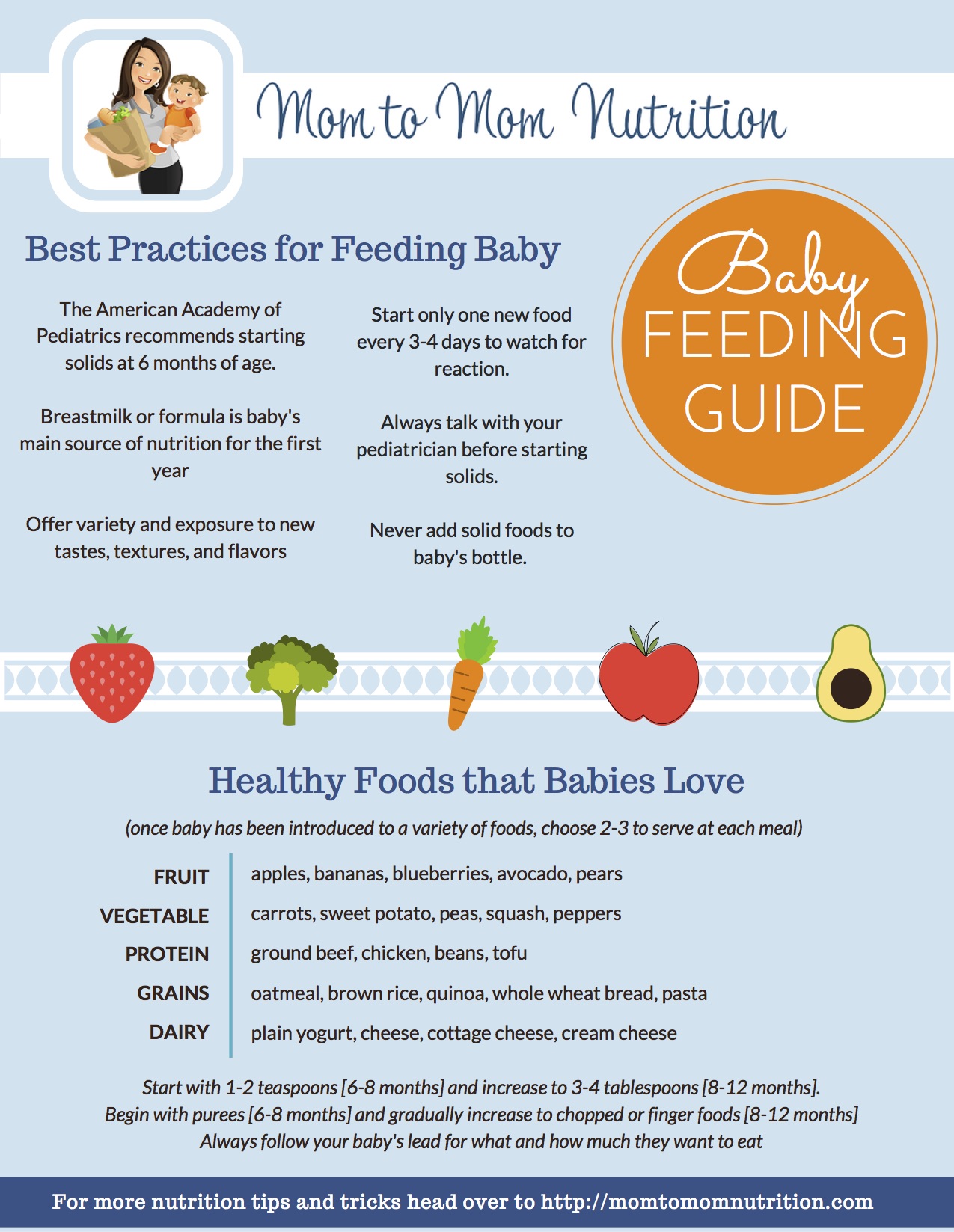
Most babies start solids around six months. Some may be ready a little earlier or later. Starting too early can cause health problems. Waiting too long may delay important skills. Six months is the safest guide for most babies.
Talk to your baby’s doctor before starting solids. They know your baby’s health and growth best. The doctor can give advice on the right time to start. They can answer questions about allergies or special needs. Always follow professional guidance for your baby’s safety.
Introducing solid foods is an exciting step for your baby. It marks the start of new tastes and textures. Choosing the right first foods helps your baby enjoy eating and get important nutrients. Start with simple foods that are easy to digest and gentle on your baby’s tummy.
Here are some good first foods to try. They are safe, healthy, and perfect for little ones just starting solids.
Single-ingredient purees are the best way to begin. They allow you to see how your baby reacts to each food. Use pureed vegetables like carrots, sweet potatoes, or peas. Fruits like apples, pears, and bananas are also great. Make sure the texture is smooth and thin. This helps babies swallow easily and prevents choking.
Iron is vital for your baby’s growth and brain development. Include iron-rich foods early. Pureed meats like chicken, beef, and turkey offer good iron. Fortified cereals are another excellent source. These foods support healthy blood and energy levels. Serve them in small, soft portions for easy eating.
Allergy-friendly foods reduce the chance of reactions. Start with mild foods like rice cereal or pureed squash. Avoid common allergens at first, such as nuts and shellfish. Introduce one new food at a time. Watch for any signs of allergy like rash or swelling. This helps keep your baby safe and comfortable.
Preparing baby food safely is very important for your child’s health. Babies have delicate immune systems. Unsafe food can cause illness or discomfort. Clean and careful food preparation helps keep your baby safe.
It is important to wash hands, clean surfaces, and use fresh ingredients. Proper cooking kills harmful germs. Safe storage stops bacteria from growing. Follow these simple rules to prepare baby food safely.
Wash your hands with soap and water before making food. Clean all utensils, cutting boards, and bowls thoroughly. Use fresh fruits and vegetables. Rinse them well under running water. Avoid using raw eggs or unpasteurized milk for babies.
Steam vegetables and fruits to keep nutrients. Boil foods like rice and lentils until soft. Avoid frying or adding salt and sugar. Puree or mash cooked food for easy swallowing. Always test food temperature before feeding your baby.
Store baby food in clean, airtight containers. Use refrigerated food within 24 hours. Freeze portions for longer storage but use within one month. Thaw frozen food in the refrigerator, not at room temperature. Discard leftover food after feeding to prevent bacteria growth.
Starting solid foods is a big step for your baby. Feeding techniques help make this new experience smooth and fun. They teach your baby how to eat safely and enjoy new tastes and textures.
Choosing the right tools and methods can build good habits early. Patience and practice will help both you and your baby.
Begin with a small, soft spoon. Plastic or silicone spoons are gentle on your baby’s gums. Use a shallow bowl to hold the food. This makes it easier to scoop and reduces spills.
Offer small amounts at first. Let your baby open their mouth before feeding. Move slowly and watch their cues. Stop if your baby turns away or closes their mouth.
Self-feeding helps your baby gain independence. Start with finger foods that are soft and easy to hold. Pieces of cooked vegetables or soft fruits work well.
Allow your baby to explore textures and tastes. Expect some mess—this is part of learning. Always supervise to avoid choking risks. Praise your baby’s efforts to build confidence.
Mess is normal during feeding. Use a bib with a pocket to catch spills. Place a mat or towel under the high chair for easy clean-up.
Keep wipes or a damp cloth nearby. Clean your baby’s hands and face gently after meals. Stay calm and patient—messy meals lead to better learning.
Introducing allergens to your baby can feel stressful. Many parents worry about allergies and want to do it the right way. Early introduction of allergenic foods may help your baby build tolerance. It is important to know which foods to start with and how to watch for reactions. This guide helps you introduce allergens safely and confidently.
Some foods cause allergies more often than others. These include peanuts, tree nuts, eggs, milk, soy, wheat, fish, and shellfish. Start with small amounts of these foods. Offer one new allergen at a time to see how your baby reacts. Avoid mixing multiple new foods on the same day.
Choose a calm time to offer allergenic foods. Make sure your baby is healthy and not sick. Begin with a small taste, about a quarter teaspoon. Wait three to five days before trying another new allergen. Avoid giving allergenic foods before bedtime or when you cannot watch your baby closely.
Watch your baby closely after feeding allergenic foods. Look for hives, swelling, vomiting, coughing, or difficulty breathing. Mild reactions may appear as a rash or tummy upset. Severe reactions need immediate medical help. Keep a list of foods introduced and any reactions. This helps your doctor understand your baby’s allergy risk.

Introducing solid foods to your baby is exciting but can bring challenges. Feeding time may not always go as planned. Babies have their own pace and preferences. Patience and understanding make a big difference. This section covers common feeding challenges and ways to handle them.
Babies may refuse new foods at first. It is normal and part of learning. Keep offering the food without pressure. Try different textures and flavors slowly. Use small amounts and stay calm. Sometimes, waiting a few days before trying again helps. Watch for signs of hunger and fullness. Avoid forcing your baby to eat.
Some babies react to certain foods with rashes or upset stomachs. Introduce new foods one at a time. Wait three to five days before adding another. This helps spot any sensitivities. Note any unusual reactions and talk to your doctor. Avoid foods that cause strong reactions. Keep a food diary to track what your baby eats.
Picky eating is common in babies and toddlers. Offer a variety of healthy foods regularly. Make meals colorful and fun to invite interest. Encourage your baby to touch and smell food. Avoid turning mealtime into a battle. Praise efforts, even if they refuse food. Set a good example by eating together. Patience and consistency help build good habits.
Introducing solid foods is a big step for your baby. As they grow, they need to try different textures. This helps them learn how to eat and enjoy food. Changing textures slowly makes it easier for your baby to adjust. It also supports their mouth and chewing skills.
Start with smooth purees. These are easy for babies to swallow. After some days, make purees thicker. Add small soft lumps to help your baby feel different textures. Then, offer soft finger foods. These let babies practice picking up food. They also learn to eat by themselves.
Soft solids are gentle on your baby’s gums. Try foods like ripe banana pieces or cooked carrots. Cut them into small, safe sizes. Let your baby explore the food with hands and mouth. This step builds confidence and interest in eating.
Chewing is a new skill for babies. Offer foods that are easy to chew but need some effort. Soft-cooked vegetables and small pieces of soft meat work well. Watch your baby closely to keep them safe. Chewing helps strengthen the mouth muscles needed for speech and eating.
Balancing nutrition is key when starting solid foods for your baby. It helps your child grow strong and stay healthy. At this stage, babies need a mix of different nutrients. These nutrients support their rapid growth and brain development. Providing a balanced diet ensures they get enough vitamins, minerals, proteins, and energy.
Introducing solids does not mean stopping breastfeeding right away. Both work together to meet your baby’s needs. Paying attention to variety, combining breast milk with solids, and meeting calorie needs creates a smooth transition.
Offer many different foods to your baby. Different colors and textures keep meals interesting. Fruits, vegetables, grains, and proteins all play a part. Variety helps your baby get many nutrients. It also builds healthy eating habits early on.
Try new foods one at a time. Watch for any reactions or allergies. Rotate foods to keep meals balanced and exciting.
Breast milk remains important even with solids. It provides antibodies and nutrients hard to replace. Continue breastfeeding on demand alongside solid meals. This combination supports your baby’s immune system. It also helps with digestion and hydration.
Offer solids after breastfeeding at first. Gradually, your baby will eat more solids and less milk. This change happens naturally over weeks and months.
Your baby needs enough calories for growth. Solids add to the calories from breast milk. Start with small portions and increase slowly. Watch your baby’s hunger cues to guide feeding amounts.
Foods rich in healthy fats, like avocado, support brain development. Iron-rich foods like meat or fortified cereals prevent deficiencies. Balance calories from all food sources to keep your baby energized.
Introducing solid foods to your baby is an exciting step. Safety during mealtime is very important. It helps your baby enjoy food without any risks. Taking simple safety steps can prevent accidents and keep your baby healthy.
Choking is a common worry for parents. Cut food into small, bite-sized pieces. Avoid hard, round, or sticky foods. Always sit your baby up straight during meals. Never leave your baby alone while eating. Watch your baby closely and stay calm.
Choose a quiet, distraction-free spot for meals. Use a high chair with good support and a tray. Clean the eating area before and after meals. Keep small toys and objects away from your baby. Keep pets out of the eating space. This helps your baby focus on eating safely.
Watch your baby carefully after trying new foods. Look for signs like rash, swelling, or vomiting. Breathing problems need quick medical help. Start one new food at a time, waiting three days before the next. This helps spot allergies early. Always talk to your doctor if you see any reactions.

Begin introducing solids around 6 months old. Look for signs like sitting up and good head control. Start with single-ingredient purees to monitor reactions.
Start with iron-fortified cereals, pureed vegetables, fruits, or meats. These foods provide essential nutrients and are easy to digest for babies.
Signs include good head control, interest in food, and ability to sit with support. Consult your pediatrician for personalized advice.
Begin with once daily, gradually increasing to two or three times. Watch your baby’s hunger cues and adjust feeding frequency accordingly.
Introducing solid foods to your baby is an exciting step. Take it slow and watch for signs of readiness. Offer a variety of healthy foods to help your baby explore tastes. Keep meals simple and safe to avoid choking. Remember, each baby learns at their own pace.
Stay patient and enjoy this new journey together. Your care and attention build a strong foundation for healthy eating habits. Celebrate small successes and stay flexible with your approach. This guide helps you feel confident as you start this important phase.


