




Choosing the right food for your baby can feel overwhelming, especially when you want to give them the healthiest start possible. If you’re exploring plant-based options, you’re already making a powerful choice for your little one’s health and the planet.
But with so many products and recipes out there, how do you know which ones are truly the best? You’ll discover simple, nutritious, and tasty plant-based baby foods that your baby will love—and that will give you peace of mind.
Keep reading to find the perfect options to nourish your baby’s growth and happiness.
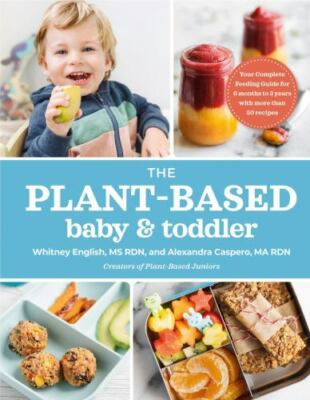
Plant-based baby food offers many benefits for your little one. It supports healthy growth and development with natural ingredients. Babies get essential nutrients without added chemicals or preservatives. Choosing plant-based options can also help build good eating habits early. The variety of fruits, vegetables, and grains provide balanced nutrition for infants.
Plant-based baby foods are rich in vitamins and minerals. They provide fiber that helps digestion and prevents constipation. These foods often contain antioxidants that protect cells and boost immunity. Natural sugars in fruits give energy without causing spikes in blood sugar. Healthy fats from sources like avocado support brain development. Overall, these foods support steady growth and strong health.
Plant-based options reduce the risk of common food allergies. Many babies react to dairy or eggs, which plant foods avoid. Introducing a range of fruits and vegetables helps identify any sensitivities early. These foods are generally gentle on tiny stomachs. Parents can easily spot reactions without confusion from mixed ingredients. This makes meal planning safer for babies prone to allergies.
Plant-based baby foods have a lower impact on the planet. Growing plants uses less water and energy compared to animal farming. It also produces fewer greenhouse gases, helping reduce pollution. Choosing these foods supports sustainable farming practices. This means a healthier Earth for future generations. Parents can feel good about feeding their baby and caring for the environment.
Babies need the right nutrients to grow strong and healthy. Plant-based baby foods can provide these nutrients. Choosing the right foods helps support brain development, bone growth, and immune health. Understanding key nutrients helps caregivers pick the best options for little ones.
Vitamins and minerals help babies develop properly. Vitamin B12 is important for nerve health and blood cells. Iron supports energy and brain growth. Calcium and vitamin D build strong bones and teeth. Zinc helps the immune system work well. Leafy greens, fortified cereals, and legumes supply many of these nutrients.
Protein builds muscles and repairs tissues. Plant-based proteins include lentils, beans, tofu, and quinoa. These foods give babies the building blocks they need. Mixing different plant proteins ensures babies get all essential amino acids. Protein-rich foods support steady growth and healthy development.
Healthy fats help brain and eye development. Sources include avocado, nut butters, and chia seeds. These fats provide energy and help absorb vitamins. Omega-3 fatty acids are especially important for brain health. Including these fats in baby food supports learning and vision.
Choosing the best plant-based ingredients for baby food is important. These ingredients provide essential nutrients needed for growth and development. They are gentle on little tummies and easy to digest. Babies enjoy different tastes and textures from natural foods. Here are some top plant-based ingredients to include in baby meals.
Fresh fruits and vegetables offer vitamins and minerals. Sweet potatoes, carrots, and peas are great choices. Apples, bananas, and pears provide natural sweetness and fiber. These foods support a strong immune system and healthy digestion. Steam or bake vegetables for a soft texture. Mash fruits to make smooth purees.
Whole grains like oats, quinoa, and brown rice add energy and fiber. Legumes such as lentils and chickpeas provide protein and iron. These ingredients help build muscles and keep babies full longer. Cook grains and legumes until very soft. Blend or mash for easy eating.
Ground nuts and seeds add healthy fats and nutrients. Almonds, chia seeds, and flaxseeds are good options. They support brain growth and healthy skin. Grind nuts finely to avoid choking risks. Mix seeds into purees or cereals for extra nutrition.

Choosing plant-based baby food from the store can save time and offer variety. These foods provide essential nutrients for your baby’s growth. Many parents find them convenient and nutritious. Still, not all store-bought options are the same. Understanding what to buy helps you pick the best for your little one.
Several brands specialize in plant-based baby foods. Some have a wide range of fruits, vegetables, and grains. These brands focus on natural ingredients and avoid artificial additives. Many parents trust these names for quality and safety. Check the store’s baby food aisle to see what’s available near you.
Always read labels carefully before buying. Look for simple ingredient lists with no added sugars or salts. Check for allergens and make sure the food fits your baby’s needs. Serving size and expiration dates matter too. Understanding labels helps you choose healthy options.
Organic baby foods come from crops grown without synthetic pesticides. Conventional foods may use some chemicals in farming. Organic options reduce exposure to these substances. They often cost more but offer peace of mind. Both types can be safe, but organic may be gentler for sensitive babies.
Making plant-based baby food at home gives control over ingredients. It ensures fresh, natural meals without preservatives. These recipes are easy and quick to prepare. Parents can customize flavors and textures to suit their baby’s taste and age.
Starting with simple purees helps babies get used to new foods. Mixing vegetables provides a variety of nutrients and flavors. Nutritious snacks support healthy growth and keep little ones satisfied between meals.
Pureed fruits and vegetables form the base of baby food. Steam soft carrots, sweet potatoes, or peas until tender. Blend them with water or breast milk to create a smooth texture. This gentle introduction helps babies learn to enjoy different tastes.
Mixing vegetables adds more nutrients and interesting flavors. Combine mild vegetables like zucchini, squash, and carrots. Cook until soft, then blend to a smooth or chunky texture. These blends provide balanced vitamins and minerals for growing babies.
Plant-based snacks keep babies full between meals. Make soft, baked sweet potato sticks or mashed avocado with a dash of lemon. Offer small portions of soft fruits like banana slices. These snacks support energy and nutrient needs in a tasty way.

Feeding a baby a plant-based diet requires care and attention. It is important to offer a variety of foods to ensure your baby gets all needed nutrients. Simple steps make this process easier and safer. Understanding how to introduce foods, control portion sizes, and avoid choking risks helps keep your baby happy and healthy.
Start with one new food at a time. Offer small amounts and watch for reactions. Wait three to five days before adding another new item. This helps spot allergies or sensitivities. Choose soft fruits, vegetables, or grains that are easy to digest. Pureed or mashed textures work best for young babies. Let your baby explore flavors and textures slowly.
Begin with small portions, about one to two tablespoons. Increase gradually as your baby grows and shows hunger cues. Babies know when they are full. Do not force them to eat more. Offer meals three to four times a day. Add healthy snacks if needed. Keep portions balanced with proteins, carbohydrates, and fats from plants.
Cut foods into small, manageable pieces. Avoid hard, round, or sticky foods that can block the airway. Examples include whole nuts, popcorn, raw carrots, and large chunks of fruit. Always supervise your baby during meals. Encourage chewing and slow eating. Keep emergency numbers handy just in case.
Choosing plant-based baby food raises many questions for parents. Common worries include how to meet protein needs and avoid nutrient gaps. Food sensitivities also concern many caregivers. Understanding these points helps parents make informed choices for their babies.
Protein is vital for baby growth and development. Plant-based foods like lentils, beans, and tofu provide good protein sources. Mixing different plant proteins ensures all essential amino acids. Small portions throughout the day help meet protein requirements.
Some nutrients are harder to get from plants alone. Vitamin B12, iron, and calcium need special attention. Fortified cereals and plant milks can supply these nutrients. Regular check-ups and blood tests help track nutrient levels. Supplements might be necessary under doctor guidance.
Babies may react to certain plant foods like soy or nuts. Introducing new foods one at a time helps spot sensitivities early. Watch for rashes, swelling, or digestive issues. Consulting a pediatrician ensures safe food choices and proper allergy management.
Top plant-based baby food brands include Earth’s Best, Happy Baby, and Yumi. They offer organic, nutritious, and allergen-free options for infants and toddlers.
Babies can start eating plant-based foods around six months. Begin with pureed fruits, vegetables, and grains as first solid foods.
Plant-based baby foods can be nutritionally complete if balanced. Include a variety of fruits, vegetables, grains, and plant proteins for essential nutrients.
Ensure protein by offering lentils, beans, tofu, and quinoa. Combining different plant proteins supports healthy growth and development in babies.
Choosing the best plant-based baby food helps your child grow healthy. Fresh fruits, vegetables, and grains provide essential nutrients. Simple recipes make feeding time easy and fun. Variety keeps babies interested and supports balanced nutrition. Always check for allergies and consult your pediatrician.
Your baby will enjoy tasty, natural meals every day. Small steps lead to lifelong healthy eating habits. Give your little one the best start possible.


