




Choosing the best first foods for your baby can feel overwhelming. You want to give your little one the healthiest start, but where do you begin?
What foods are safe, nutritious, and easy to digest for babies aged 6 to 12 months? This guide will help you navigate these important early feeding decisions with confidence. By the end, you’ll know exactly which foods will support your baby’s growth, boost their development, and make mealtime a joy for both of you.
Keep reading to discover the best first foods that will set your baby on the path to healthy eating habits.
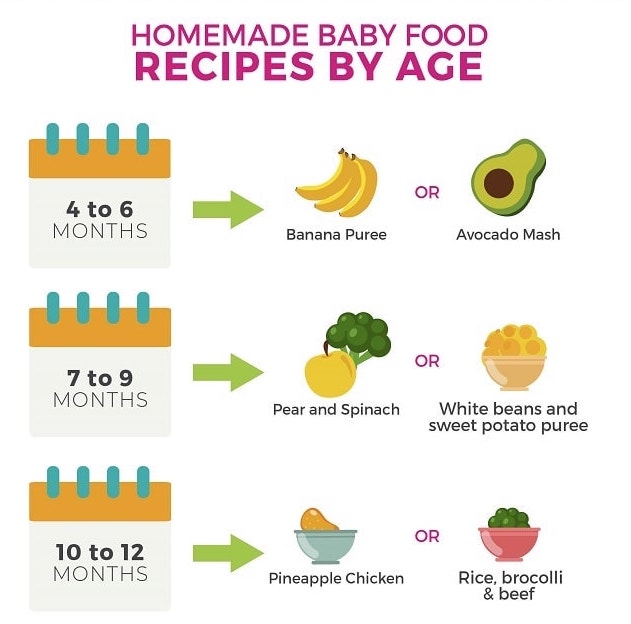
Choosing safe first foods for babies is very important. Babies need gentle foods that are easy to eat and digest. These foods help babies grow and learn to enjoy new tastes and textures. Parents should pick foods that are healthy and safe to avoid risks like choking or allergic reactions.
Knowing when a baby is ready and which foods to avoid can help make feeding time safe and fun. Safe first foods give babies the right nutrients and protect their health during this new stage.
Babies show signs when they are ready for solids. They can sit up with little help and hold their head steady. Babies lose the tongue-thrust reflex that pushes food out of their mouth. They show interest in food by watching others eat or reaching for food. These signs help parents know it is time to start solids safely.
Some foods can cause allergies or choking in babies. Avoid giving honey before one year old to prevent illness. Nuts and whole grapes are choking hazards and should be cut into small pieces or avoided. Introduce common allergens like eggs and peanuts slowly and one at a time. Watch for any signs of allergy, such as rash or swelling. Preparing foods soft and in small bites keeps babies safe while exploring new tastes.
Nutrient-rich purees provide essential vitamins and minerals for babies aged 6 to 12 months. These purees support growth, brain development, and a healthy immune system. They also help babies explore new tastes and textures safely. Preparing simple, healthy purees at home is easy and ensures quality ingredients.
Focus on a variety of vegetables, fruits, and proteins to create balanced meals. Each food group offers unique benefits. Start with small portions and watch for any reactions. Gradually increase variety and quantity as your baby adjusts.
Carrots, sweet potatoes, and peas make excellent first vegetables. They are soft, easy to digest, and rich in vitamins A and C. These nutrients help vision and the immune system. Steam or boil vegetables until very soft. Then blend them into smooth purees. Avoid adding salt or sugar. Simple preparation keeps food natural and safe.
Other good options include squash, green beans, and zucchini. These vegetables provide fiber and important minerals. Introducing a range of vegetables early encourages healthy eating habits.
Fruits like apples, pears, and bananas offer natural sweetness and vitamin C. Vitamin C helps the body absorb iron and supports skin health. Peel and cook harder fruits before pureeing for smoother texture. Soft fruits like ripe bananas can be mashed without cooking. Avoid citrus fruits at first to prevent tummy upset.
Introduce fruits one at a time to spot allergies. Fresh, ripe fruits are best for nutrient content. These purees make tasty snacks or meal additions.
Protein is vital for muscle and tissue growth. Good first protein sources include lentils, chickpeas, and well-cooked chicken. Puree these foods until smooth for easier swallowing. Eggs are another excellent protein choice but introduce them carefully. Watch for any allergic reactions.
Beans and tofu provide plant-based protein and iron. Offer a variety of protein foods to support balanced nutrition. Proteins help your baby feel full and satisfied after meals.
Introducing solid foods to babies involves more than just choosing what to feed. Textures and feeding techniques play a key role in their eating journey. Babies need to explore different textures to develop chewing skills and enjoy new flavors.
Careful steps help babies feel safe and excited about eating. Feeding techniques also support their growth and independence. Let’s explore how to introduce textures and encourage self-feeding effectively.
Start with smooth purees that are easy to swallow. Pureed fruits, vegetables, and cereals work well. Gradually add thicker textures as your baby grows.
Soft mashed foods come next, such as ripe bananas or cooked potatoes. These help babies get used to chewing motions. After that, offer small soft chunks to practice biting and chewing.
Watch your baby closely. They will show signs of readiness for new textures. Move slowly to avoid choking risks and build confidence.
Self-feeding builds hand-eye coordination and independence. Offer small, soft finger foods like steamed carrot sticks or soft fruit pieces. Let your baby explore food with their hands.
Use safe, easy-to-grip utensils designed for little hands. Sit with your baby during meals to offer support and encouragement. Allow messiness as part of learning.
Patience is key. Babies learn at their own pace. Celebrate small successes to keep feeding fun and stress-free.
Choosing the best foods for babies aged 6 to 12 months can be a challenge. Parents often debate between homemade and store-bought options. Each choice has its own advantages and factors to consider. Understanding these can help make feeding time easier and healthier for your little one.
Homemade purees offer fresh ingredients without added preservatives. You control the texture, taste, and ingredients used. This helps avoid allergens or unwanted additives. Preparing food at home also allows for variety and creativity. You can introduce your baby to new flavors safely. It supports a closer bond through hands-on feeding. Plus, homemade food often costs less than commercial products.
Quality commercial baby foods provide convenience and safety. They undergo strict testing to meet health standards. These products are easy to store and use during travel. Look for options with simple ingredients and no added sugar or salt. Organic labels can indicate fewer pesticides. Always check expiration dates and packaging integrity. Commercial foods help maintain nutrition when fresh food is unavailable.
Introducing grains and cereals is an important step in your baby’s diet between 6 and 12 months. These foods provide essential nutrients and energy needed for growth. Grains and cereals are easy to digest and can be mixed with breast milk, formula, or water to create smooth textures. Starting with simple grains helps babies get used to new tastes and textures. Gradually, you can offer a variety of grains to support healthy development.
Whole grains supply long-lasting energy for active babies. They contain fiber, which helps with digestion and keeps babies full longer. Examples include oats, brown rice, and barley. These grains are rich in vitamins and minerals that support brain and body growth. Introducing whole grains early encourages healthy eating habits. Cook grains well to make them soft and easy to swallow.
Iron is crucial for your baby’s brain and blood health. Iron-fortified cereals provide a safe and reliable source of this mineral. Rice cereal is a common choice for first foods. It mixes easily with milk and has a mild flavor. Other options include oatmeal and multigrain cereals. Serving iron-fortified cereals daily helps prevent iron deficiency. Always prepare cereals according to package instructions for the best texture.

Introducing dairy and its alternatives is an important step in your baby’s diet between 6 and 12 months. These foods provide essential nutrients like calcium and protein. They help support healthy growth and strong bones.
Babies usually start with simple dairy options. Yogurt and cheese are gentle on their digestive system. These foods can add variety and new flavors to their meals. Careful choices ensure safety and nutrition.
You can start offering yogurt and cheese around 6 months old. Choose plain, unsweetened yogurt with live cultures. It helps good bacteria grow in the gut. Soft cheeses like cottage cheese or mild cheddar work well.
Introduce small amounts first. Watch for any allergic reactions. Yogurt and cheese are easier to digest than milk. They provide vitamin D and calcium, which support bone health.
Whole cow’s milk should wait until your baby is 12 months old. Before then, breast milk or formula is best. Some babies may need alternatives if allergic or lactose intolerant.
Options include fortified soy milk or almond milk. Choose unsweetened and fortified versions. Check labels for added sugars or additives. Always discuss milk choices with your pediatrician.
Introducing solid foods to babies is exciting but needs care. Allergy prevention is a key part of feeding babies aged 6 to 12 months. Early exposure to some foods can help reduce allergy risks. This section shares tips to introduce allergens safely and watch for any reactions.
Start with small amounts of one allergen at a time. Common allergens include peanuts, eggs, milk, wheat, soy, fish, and tree nuts. Give new foods on different days. This helps identify which food causes a reaction if any. Avoid mixing several new foods at once. Serve allergens in soft, smooth forms to prevent choking. Offer peanut butter diluted with water or breast milk instead of whole nuts. Consult your pediatrician before starting allergens if your baby has eczema or family allergies.
Watch your baby closely after trying a new allergen. Look for signs like rash, swelling, vomiting, or difficulty breathing. Mild reactions may include redness or mild hives. Severe reactions need immediate medical help. Keep a food diary to track foods and reactions. This record helps your doctor understand your baby’s allergies better. If no reaction occurs after three days, try another new food. Always stay calm and patient during this process. Your careful observation keeps your baby safe and healthy.
Starting solid foods is an exciting step for babies aged 6 to 12 months. Sample meal plans and recipes help parents provide balanced nutrition. These guides make feeding easier and ensure babies get essential nutrients for growth.
Meal plans show how to mix fruits, vegetables, grains, and proteins. Recipes offer simple ways to prepare tasty and healthy dishes. Both support a smooth transition from milk to solid foods.
A balanced menu includes a variety of food groups each day. For breakfast, try mashed banana with oatmeal. Lunch can be pureed sweet potatoes with lentils. Dinner might include soft-cooked carrots and mashed chicken. Snacks can be small pieces of ripe pear or avocado.
Offer breast milk or formula alongside solid foods. This keeps babies hydrated and nourished. Change fruits and veggies every day to expose babies to new tastes. Keep portion sizes small and increase as babies grow.
Start with easy recipes that take little time. Sweet potato puree: bake, peel, and mash sweet potato until smooth. Apple sauce: cook peeled apples with a splash of water, then mash. Rice cereal: cook rice well, then blend with breast milk or formula.
Mix cooked lentils with mashed carrots for a protein boost. Avocado mash is creamy and full of healthy fats. These recipes are gentle on baby’s tummy and easy to digest. Always check for allergies by introducing one food at a time.

The safest first foods include pureed vegetables, fruits, and iron-fortified cereals. These are gentle on the baby’s digestive system and low in allergens, making them ideal for early introduction.
Start with single-ingredient purees and offer small spoonfuls. Gradually increase texture and variety while observing for allergies or reactions. Introduce one food every 3-5 days to monitor tolerance.
Iron-rich foods like pureed meats, fortified cereals, and lentils are vital. Also include fruits and vegetables for vitamins and minerals. These support healthy growth and brain development.
Babies can begin soft finger foods around 8-9 months. Ensure foods are small, soft, and easy to chew to prevent choking risks while encouraging self-feeding skills.
Choosing the right first foods helps babies grow strong and healthy. Soft fruits, vegetables, and grains offer good nutrition and taste. Introduce new foods one at a time to watch for allergies. Keep meals simple and fun to encourage eating.
Babies learn about flavors and textures during this stage. Patience and care make feeding a positive experience. These early choices set the path for healthy eating habits. Enjoy this special time of discovery with your little one.
Learn more about I can spoon and our child-friendly spoons.


