




Is your baby struggling with digestion? It’s a common challenge that can make both you and your little one uncomfortable.
But the good news is, you don’t need complicated solutions to help your baby feel better. With a few simple changes and easy tips, you can improve your baby’s digestion and bring more smiles to your home. Keep reading, and you’ll discover practical ways to support your baby’s tummy health—because a happy baby means a happy you.

Babies cannot tell us when their tummy hurts. Parents must watch for signs of digestive issues. These signs can help detect problems early. Early detection means quicker relief for your baby.
Look for frequent spit-up or vomiting. Diarrhea or very hard stools may appear. Your baby might cry more than usual. Gassiness or bloating can cause discomfort. Poor appetite or refusal to feed is a concern. Watch for unusual fussiness after feeding. A swollen belly could mean trapped gas. Sleep disturbances may also signal tummy pain.
Contact a doctor if vomiting is severe or persistent. Blood in stool needs immediate medical attention. A fever with digestive symptoms is a warning sign. If your baby is very sleepy or hard to wake, act fast. Look out for signs of dehydration, like fewer wet diapers. Sudden weight loss or no weight gain is serious. If your baby refuses all feedings for hours, seek help.

Feeding techniques play a big role in your baby’s digestion. Feeding your baby the right way helps avoid gas, spit-ups, and discomfort. Small changes during feeding can make a big difference in digestion and comfort. Let’s explore simple feeding tips to support your baby’s tummy.
Hold the bottle at an angle to keep milk flowing steadily. This stops your baby from swallowing air. Pause often to burp your baby during feeding. Use slow-flow nipples to control milk speed. Keep the bottle clean to avoid germs that upset digestion.
Try different positions to find what suits your baby best. The cradle hold is classic and supports good latch. The football hold helps control milk flow and reduces swallowing air. Keep your baby’s head higher than the stomach. This helps milk move smoothly and reduces reflux.
Select a formula that matches your baby’s needs. Some formulas are easier to digest for sensitive tummies. Look for options labeled “hypoallergenic” or “gentle.” Always prepare formula with clean water and follow instructions exactly. Changing formulas slowly helps your baby adjust without digestion problems.
Good diet and nutrition play a big role in your baby’s digestion. What your baby eats affects how well their tummy works. Simple choices can help your baby feel better and digest food easily.
Start solids slowly and one food at a time. This helps spot any allergies or tummy troubles. Choose soft, easy-to-digest foods like pureed carrots or rice cereal. Avoid foods that cause gas or are hard to chew. Let your baby get used to new tastes and textures step by step.
Some foods calm your baby’s stomach. Plain yogurt with good bacteria helps digestion. Bananas are gentle and can ease upset tummies. Applesauce is mild and adds fiber. Avoid sugary or fried foods that may upset digestion. Keep meals simple and natural for better tummy comfort.
Water keeps digestion smooth. Offer small sips of water along with meals. Breast milk or formula still provides most fluids for young babies. Avoid sugary drinks that can cause discomfort. Good hydration helps food move through the digestive system easily.
Gentle exercises and massage help improve your baby’s digestion naturally. These activities support healthy digestion by moving gas and food through the tummy. They also relax your baby and reduce fussiness. Simple movements and soft touches can make a big difference in how well your baby digests food.
Tummy time strengthens your baby’s muscles and aids digestion. Lying on the tummy encourages gentle pressure on the belly. This pressure helps move trapped gas and eases bowel movements. Short tummy time sessions after feeding can calm your baby and reduce discomfort. Always supervise tummy time to keep your baby safe and comfortable.
Baby massage soothes the tummy and promotes digestion. Use gentle, circular motions on your baby’s belly. Move your fingers clockwise to follow the path of the intestines. Soft strokes on the legs, as if cycling, also help release gas. Massage for five to ten minutes daily to support digestion and calm your baby.
Creating a comfortable environment helps your baby digest food better. A calm and soothing space makes feeding times peaceful. This reduces fussiness and helps your baby relax. A relaxed baby swallows food easier and avoids digestion problems. Small changes in the feeding area can improve digestion a lot.
Choose a quiet room with soft lighting for feeding. Avoid loud noises and bright lights that can upset your baby. Use a cozy chair to hold your baby close. Keep feeding tools ready to avoid interruptions. A calm space helps your baby focus on eating. This supports better digestion and less spit-up.
Stress affects how well your baby digests food. Watch for signs like crying or squirming during feeding. Hold your baby gently and speak softly. Take breaks if your baby feels overwhelmed. Swaddling can offer comfort and security. Lower stress helps your baby digest food smoothly and grow healthy.
Improving your baby’s digestion can be gentle and natural. Many parents seek safe remedies to ease their little one’s tummy troubles. Natural options often work well without harsh side effects. These remedies support digestion and comfort your baby.
Some herbs soothe a baby’s stomach. Chamomile tea, in small amounts, can calm digestion. Fennel seeds may reduce gas and bloating. Always use mild doses and consult a pediatrician first. Avoid strong herbs that may cause reactions. Natural herbs are best used carefully and sparingly.
Probiotics help balance good bacteria in the gut. They support healthy digestion and reduce colic or constipation. Yogurt with live cultures is a gentle probiotic source. Probiotic drops designed for babies are also an option. Introduce probiotics slowly and watch for any changes. A happy gut means a happier baby overall.
Knowing when to seek professional help is important for your baby’s digestion. Some signs show that a doctor’s advice is needed. Early care can prevent serious problems. Watch your baby closely and trust your instincts. Understanding key symptoms helps you act fast and keep your baby healthy.
Digestive issues that last more than a week need medical attention. Constant vomiting, diarrhea, or constipation can harm your baby. If your baby loses weight or refuses to eat, see a doctor. Persistent tummy pain or bloating is a warning sign. These symptoms may need tests to find the cause.
Some digestive problems come from allergies or food intolerance. Look for rash, swelling, or breathing trouble after feeding. Diarrhea, vomiting, or blood in stool might mean a food issue. Your baby may be sensitive to milk, soy, or other foods. A doctor can diagnose allergies and suggest safe options.
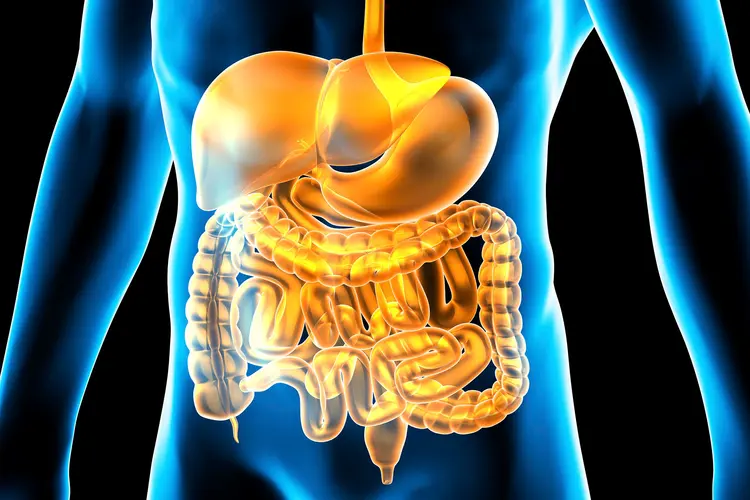
Offer frequent small feedings and ensure proper burping after each. Introduce gentle tummy massages and keep your baby hydrated. Avoid overfeeding and monitor for food sensitivities. These simple steps support healthy digestion and reduce discomfort.
Breast milk and formula are ideal for newborn digestion. For older babies, pureed fruits, vegetables, and whole grains aid digestion. Probiotic-rich foods like yogurt can also promote gut health. Always introduce new foods gradually to observe tolerance.
Tummy time strengthens abdominal muscles, enhancing digestion and reducing gas. It encourages movement that helps food pass through the digestive tract. Regular tummy time can prevent constipation and promote overall digestive comfort.
Seek medical advice if your baby has persistent vomiting, diarrhea, or constipation. Watch for signs of dehydration, blood in stool, or severe abdominal pain. Early intervention ensures proper treatment and prevents complications.
Helping your baby digest food well is important for their health. Small changes in feeding and care can make a big difference. Keep meals simple and watch for signs of discomfort. Gentle tummy massages and proper burping help digestion too.
Always stay calm and patient during feeding times. Healthy digestion supports your baby’s growth and happiness. Try these easy tips every day to support your baby’s tummy. Your care makes their digestion better and life easier for both of you.
Simple steps, happy baby.


