




Keeping your baby well-hydrated is one of the simplest ways to support their health and happiness. But how do you know if your little one is getting enough fluids?
What signs should you watch for, and when is it okay to offer water? You might feel unsure about how much hydration your baby needs or worry about making the right choices. This article will clear up the confusion and give you easy, practical tips to keep your baby safe and comfortable.
Read on to discover everything you need to know about hydration for babies—because your child’s well-being starts with the basics.
Hydration plays a crucial role in your baby’s overall health. Babies are more vulnerable to dehydration than adults. Their small bodies lose water quickly. Keeping your baby well-hydrated supports growth and daily functions. Water helps regulate body temperature and aids digestion. It also supports nutrient absorption and waste removal. Proper hydration keeps your baby active and comfortable.
Water is essential for many body processes in infants. It helps maintain healthy skin and cushions joints. Water transports oxygen and nutrients to cells. It also helps flush out toxins from the body. Babies rely on breast milk or formula for their water needs. As they grow, small amounts of water can be introduced safely. Staying hydrated supports brain development and energy levels.
Dehydration can be dangerous for babies. Watch for fewer wet diapers than usual. Dry mouth and lips may appear. Your baby might seem unusually sleepy or fussy. Sunken eyes or a soft spot on the head are warning signs. Rapid breathing or a fast heartbeat can occur. Early detection helps prevent serious health issues. Always consult a healthcare provider if dehydration is suspected.

Babies need different amounts of fluids as they grow. Their hydration needs change with age and feeding habits. Knowing these needs helps parents keep their babies healthy and happy. Proper hydration supports growth, digestion, and overall well-being.
Newborns get all the fluids they need from breast milk or formula. Breast milk contains the right balance of water and nutrients. It keeps babies hydrated even in warm weather. Newborns should feed often, about 8 to 12 times a day. This helps maintain hydration and supports growth.
Do not give water to newborns under six months old. Extra water can fill their tiny stomachs and reduce milk intake. It can also cause an imbalance in their minerals. Breast milk or formula is enough for hydration at this stage.
Once babies reach six months, parents can start offering small amounts of water. At this age, babies begin eating solid foods and need some extra fluids. Water helps with digestion and prevents constipation. Offer water in a sippy cup during meals.
Limit water to a few ounces a day. Too much water can reduce appetite for breast milk or formula. Keep breast milk or formula as the main drink until age one. Water introduction is a step toward healthy drinking habits.
Choosing the right fluids for babies is very important. Babies need proper hydration to stay healthy. Not all drinks are safe for babies. Parents must know which fluids help keep their baby safe and hydrated.
Safe fluids provide nutrients and water without harming the baby’s health. Understanding these options helps parents care for their little ones better. Here are some key points about safe fluids for babies.
Breast milk is the best fluid for babies. It gives all the nutrients and fluids they need. Formula milk is a good alternative if breastfeeding is not possible. Both provide hydration and energy. They keep babies healthy and growing well.
Water is not needed in the first six months. Babies get enough fluids from breast milk or formula. After six months, small amounts of water can be introduced. Water helps with digestion and hydration as solid foods begin. Always offer water in small sips.
Sugary drinks like juice or soda are unsafe for babies. They can cause tooth decay and upset stomachs. These drinks do not hydrate properly. Avoid giving any sweetened or flavored drinks. Stick to breast milk, formula, and water for best health.
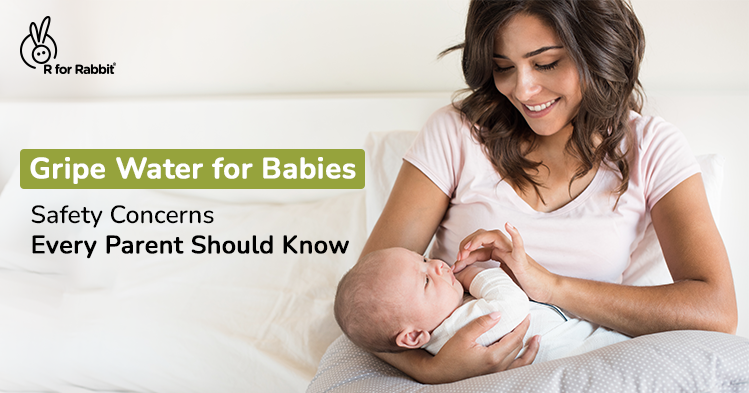
Keeping babies hydrated is important for their health and growth. Parents must know how to give the right amount of fluids. This helps avoid dehydration and keeps babies happy and active. Here are some practical hydration tips for parents.
Track how much milk or water your baby drinks daily. Note feeding times and amounts. Use bottles or cups with clear measurements. This helps ensure your baby gets enough fluids. Keep a simple chart if needed. Watch for changes in feeding habits or output.
Babies show when they need fluids. Look for signs like sucking on fingers or lip smacking. Fussiness or restlessness can also mean thirst. Crying is often a late sign. Offer fluids calmly and regularly. Responding early helps prevent dehydration.
Hot weather and active play increase fluid needs. Offer extra water or milk during warm days. After active play, give fluids to replace lost water. Dress your baby in light clothes to stay cool. Keep fluids handy during outings and naps.
Dehydration can be dangerous for babies. Their small bodies lose water quickly. Parents should know the risks and how to prevent dehydration. Staying alert helps keep babies safe and healthy.
Babies lose water through sweat, urine, and tears. Illnesses like diarrhea and vomiting cause fast water loss. Hot weather makes babies sweat more. Not drinking enough fluids also leads to dehydration. Sometimes, babies may refuse to nurse or drink. This reduces their fluid intake and raises risk.
Dry mouth and no tears when crying are warning signs. Sunken eyes or soft spot on the head show severe dehydration. Babies may be very sleepy or hard to wake. A fast heartbeat or very little urine are serious signs. Any of these signs need immediate medical care.
Feeding practices play a big role in keeping babies well hydrated. Parents should focus on giving the right mix of liquids and solid foods. This balance helps babies get enough fluids and nutrients. Understanding which foods and drinks support hydration makes feeding easier and safer.
Babies need both solids and liquids to stay hydrated. Milk or formula remains the main drink for babies under one year. As solids are added, liquid intake should not drop too much. Offer water in small amounts along with meals. Watch for signs of thirst and increase fluids if needed.
Certain foods have high water content and help with hydration. Fruits like watermelon and cucumber are good choices. Soft vegetables such as zucchini and steamed carrots add fluids too. Pureed soups also provide moisture and nutrients. Including these foods supports hydration naturally.
Babies primarily get hydration from breast milk or formula. After six months, small amounts of water can be introduced. Consult your pediatrician for exact amounts based on your baby’s age and health.
Babies can start drinking water around six months old, alongside solid foods. Before this, breast milk or formula provides sufficient hydration. Introducing water too early may affect nutrient absorption.
Yes, dehydration in babies can cause serious health issues. Signs include dry mouth, fewer wet diapers, and lethargy. Immediate medical attention is crucial if dehydration is suspected.
Yes, breast milk meets all hydration needs for babies under six months. It contains the perfect balance of fluids and nutrients essential for growth and hydration.
Proper hydration keeps babies healthy and happy every day. Parents should offer fluids regularly, especially in warm weather. Breast milk or formula often provides enough water for young babies. Watch for signs like dry lips or fewer wet diapers. Avoid giving too much water to newborns.
Simple steps help prevent dehydration and keep babies safe. Staying aware and caring makes a big difference. Healthy hydration supports growth and energy. Small efforts lead to big benefits for your little one.


