




You might not realize it, but your baby’s sleep and eating habits are closely connected. When your little one doesn’t sleep well, it can affect how and when they eat.
This can leave you feeling frustrated and worried about their growth and health. Understanding this link can help you support your baby better and make feeding times smoother. Keep reading to discover how your baby’s sleep impacts their eating and what you can do to help both improve.
Sleep and appetite are closely linked in babies. The amount and quality of sleep can change how hungry your baby feels. Poor sleep may cause your baby to eat less or more than usual. Understanding this link helps you support your baby’s growth and health.
Sleep controls hormones that affect hunger in babies. Ghrelin is the hormone that makes your baby feel hungry. Lack of sleep raises ghrelin levels, which can increase appetite. Leptin is the hormone that signals fullness. When your baby sleeps poorly, leptin levels drop. This imbalance can confuse your baby’s eating signals. Good sleep helps keep these hormones balanced.
Sleep affects how well your baby’s body digests food. During deep sleep, the body repairs and processes nutrients. Poor sleep can slow down digestion and cause discomfort. This may lead to fussiness or less interest in feeding. Restful sleep supports healthy digestion and better nutrient absorption. Ensuring your baby sleeps well aids their eating and growth.
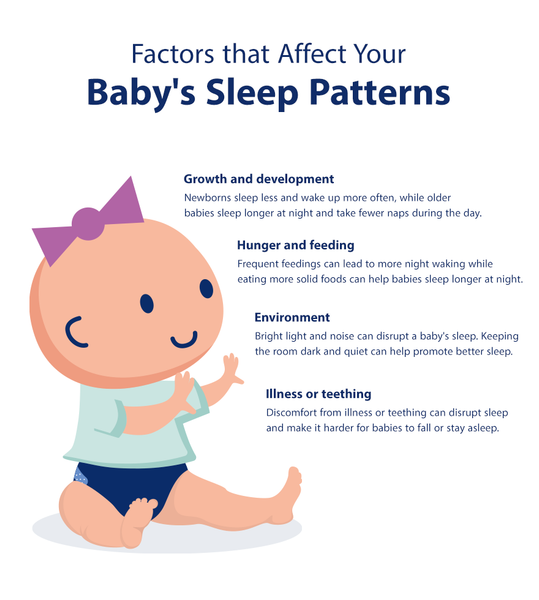
Sleep patterns and feeding schedules in babies are closely connected. How a baby sleeps can influence when and how much they eat. Understanding this link helps parents plan better for both sleep and meals.
Babies need regular naps and night sleep to grow well. These sleep times affect hunger and feeding cues. Watching these signs helps parents feed their babies at the right times.
Naps impact a baby’s hunger. After a good nap, babies often feel hungry and ready to eat. Short or missed naps can make babies sleepy and less interested in food.
Feeding right after naps can encourage healthy eating habits. It gives the baby energy and supports growth. Parents should note nap length and adjust meal times accordingly.
Night wakings often signal hunger in young babies. Babies wake to feed and soothe themselves back to sleep. Recognizing hunger cues helps parents respond quickly and calmly.
Not all night wakings mean hunger. Some babies wake for comfort or a diaper change. Learning to tell the difference helps parents avoid unnecessary feedings.
Sleep is very important for your baby’s growth and health. Poor sleep can change how much and how often your baby eats. Some common sleep problems can make eating harder for your little one. Understanding these issues helps you support your baby better.
Sleep problems can cause fussiness and reduce appetite. Babies may refuse food or eat less during these times. Knowing the types of sleep issues helps you spot changes in your baby’s eating habits.
Sleep regression happens when a baby who once slept well starts waking often. This can happen at different ages, such as 4 months or 8 months. During this time, your baby may feel more tired and cranky. This tiredness can make your baby less interested in feeding. Feeding schedules may change, and your baby might eat less. Sleep regression is temporary but can affect eating for a few weeks.
Some babies have sleep disorders like sleep apnea or restless leg syndrome. These disorders disturb sleep quality and cause frequent waking. Poor sleep quality can lower your baby’s hunger signals. Babies may not feel hungry at usual feeding times. This can lead to less milk or solid food intake. Treating these sleep disorders can improve both sleep and eating habits.

Sleep and eating are closely linked in babies. Poor sleep can change how often your baby wants to eat. It can also affect their mood during feeding times. Parents can notice clear signs when sleep problems impact eating habits.
Watching these signs helps you understand your baby’s needs better. It guides you to support healthy sleep and feeding routines. Here are some common signs to watch for.
Your baby may feed more or less than usual. Some babies eat less after poor sleep. Others might want to feed more often for comfort. Sudden changes in feeding times or amounts can show sleep issues.
Pay attention if feeding patterns shift without other reasons. This could mean your baby is tired or not fully rested. Tracking feeding frequency helps spot these changes early.
Tired babies may be fussy or irritable during feeding. They might refuse the bottle or breast. Some babies turn their head away or close their mouth tightly. These behaviors often signal sleep-related tiredness.
Look for signs like yawning, rubbing eyes, or fussiness at feeding time. These clues suggest your baby struggles to eat well due to poor sleep. Understanding these behaviors helps you provide gentle care and support.
Balancing your baby’s sleep and nutrition is important for their growth. Sleep affects how well your baby eats. Good sleep helps digestion and appetite. Poor sleep can make your baby fussy and less willing to eat. Simple tips can help balance these two needs.
Set regular times for feeding and sleeping. Babies feel safe with a schedule. Try feeding your baby at the same times every day. Follow with a nap or bedtime soon after. This helps their body know when to eat and sleep. Consistency reduces fussiness and improves digestion.
Make feeding calm and quiet. Use soft lights and gentle sounds. Avoid loud noises or bright screens during meals. A peaceful setting helps your baby relax. Relaxed babies digest food better and sleep easier. Keep feeding times short but calm to avoid overstimulation.
Understanding when to seek professional help is important for your baby’s health. Sleep and eating are closely linked in infants. Poor sleep can affect feeding patterns and growth. Sometimes, parents may notice signs that need expert advice. Early help can support your baby’s well-being and development.
Pediatricians know about your baby’s overall health. They can check for any medical issues affecting sleep and eating. Sleep experts focus on patterns and habits. They offer strategies to improve sleep quality. Professionals provide personalized care and guidance. Their advice can ease feeding problems caused by poor sleep.
Track your baby’s weight and height regularly. Steady growth shows good nutrition and rest. Delays in development may signal issues with sleep or feeding. Keep a record of feeding times and sleep patterns. Share this information with your doctor. Early detection of problems helps to address them faster. Consistent monitoring supports healthy growth and development.

Baby sleep affects feeding by regulating hunger hormones. Poor sleep can increase fussiness and reduce appetite. Well-rested babies tend to feed more effectively and have better digestion. Consistent sleep supports healthy growth and eating patterns.
Yes, sleep deprivation can lower a baby’s appetite. It disrupts hormonal balance, causing irregular hunger cues. Tired babies may refuse feeding or become overly hungry at odd times. Adequate sleep helps maintain a stable feeding routine.
When babies don’t sleep well, they feel tired and unsettled. This discomfort can reduce their interest in feeding. Poor sleep also affects digestion, making babies less willing to eat. Better sleep promotes consistent and sufficient feeding.
Babies need 12 to 16 hours of sleep daily for optimal eating. Proper sleep supports digestion, growth, and appetite regulation. Meeting sleep needs helps babies feed well and develop healthy eating habits.
Good sleep helps babies eat better and grow strong. Poor sleep can make feeding times hard and stressful. Babies need rest to feel hungry and enjoy food. Parents should watch their baby’s sleep patterns closely. A calm sleep routine can improve both sleep and eating.
Simple changes in sleep habits can make a big difference. Healthy sleep supports healthy eating and happy babies. Keep sleep and feeding balanced for your baby’s well-being. Small steps today help your baby thrive tomorrow.


