




If you’re a parent or caregiver, nothing is more important than keeping your baby safe and healthy. But what if your little one reacts badly to certain foods?
Recognizing food allergies early can protect your baby from discomfort and serious health issues. You might feel unsure about the signs to watch for or when to act. This guide will help you spot the common symptoms of food allergies in babies quickly and confidently.
By knowing what to look for, you can make sure your baby stays happy and healthy every step of the way. Keep reading to learn how to protect your child with simple, clear advice.

Babies can develop allergies to certain foods early in life. These allergies happen when the baby’s immune system reacts to a specific food. Knowing common food allergies helps parents watch for signs. Early recognition can prevent serious reactions and keep babies safe.
Some foods cause allergies more often in babies. These include milk, eggs, nuts, soy, wheat, fish, and shellfish. Each food can cause different symptoms. Learning about these foods makes it easier to spot allergies.
Milk allergy is one of the most common in babies. It occurs when the immune system reacts to proteins in cow’s milk. Symptoms include rashes, stomach pain, and vomiting. Some babies may also have diarrhea or breathing problems.
Egg allergy often appears in infancy. Both egg whites and yolks can cause reactions. Symptoms vary from skin hives to swelling and digestive upset. Some babies might develop wheezing or nasal congestion.
Peanut and tree nut allergies can be severe. Even small amounts may trigger a reaction. Symptoms include swelling, difficulty breathing, and hives. These allergies require careful avoidance and immediate treatment if exposed.
Soy and wheat allergies affect many babies. Soy allergy causes skin rashes and tummy pain. Wheat allergy may also cause itching or swelling. Both allergies can lead to digestive issues and breathing problems.
Fish and shellfish allergies usually develop later but can start in infancy. Symptoms include itching, swelling, and trouble breathing. These allergies tend to last a lifetime, so caution is important.
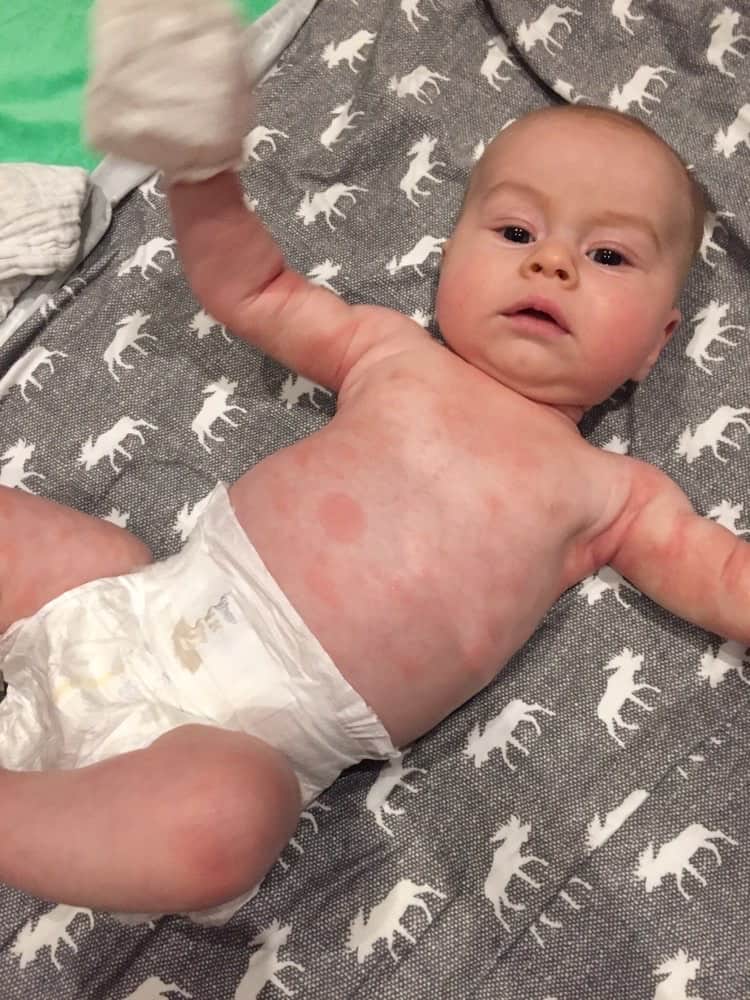
Detecting food allergies early in babies helps keep them safe and comfortable. Parents must know the signs to act quickly. Food allergies often show up soon after eating new foods. Watch closely during and after feeding sessions.
Symptoms vary but often affect skin, digestion, breathing, and behavior. Recognizing these signs helps get proper care and avoids serious reactions. Here are the key early symptoms to watch for.
Rashes, hives, or redness often appear on the skin. These spots may itch or swell around the mouth, face, or body. Dry, flaky skin or eczema flare-ups can also signal allergies. Notice any sudden skin changes after feeding.
Vomiting or repeated spitting up is a common sign. Diarrhea, constipation, or blood in the stool needs attention. Babies may show stomach pain by crying or pulling legs up. Digestive discomfort often starts soon after eating the trigger food.
Wheezing, coughing, or noisy breathing can signal an allergy. Nasal congestion or runny nose might also appear. Watch for difficulty breathing or sudden shortness of breath. These symptoms require immediate medical help.
Babies may become unusually fussy or irritable. Excessive crying, trouble sleeping, or lethargy can occur. Loss of appetite or refusal to eat new foods is common. Sudden changes in behavior often point to discomfort or pain.
Severe allergy signs in babies need quick attention. These signs show a strong reaction to food allergens. Recognizing them early can protect your baby from serious harm.
Some allergic reactions can be life-threatening. Knowing the symptoms helps you act fast and keep your baby safe.
Anaphylaxis is a severe allergic reaction. It can happen within minutes after eating a food allergen. Signs include difficulty breathing or wheezing. Swelling of the face, lips, or throat is common. The baby may turn pale or blue. They might also vomit or have diarrhea. Weak pulse and loss of consciousness are serious symptoms. This condition needs immediate medical care.
Call emergency services if your baby shows any anaphylaxis signs. Difficulty breathing or swelling of the throat is an emergency. If your baby loses consciousness, act fast. Use an epinephrine injector if prescribed. Do not wait to see if symptoms improve. Quick action can save your baby’s life.
Testing and diagnosis help identify food allergies in babies. Doctors use different methods to find out which foods cause reactions. Early diagnosis keeps babies safe and healthy.
This test checks for allergic reactions on the skin. The doctor puts a tiny drop of allergen on the baby’s skin. Then, they gently prick the skin through the drop. If a red bump appears, it means an allergy might exist.
The test is quick and causes little pain. It helps detect allergies to many foods at once.
Blood tests measure the immune system’s response to certain foods. A small blood sample is taken from the baby. Lab tests look for allergy-related antibodies called IgE.
Blood tests are useful when skin tests cannot be done. They help confirm which foods cause allergy symptoms.
This test is the most accurate way to diagnose food allergies. The baby eats small amounts of the suspected food under doctor supervision. Doctors watch for any allergic reactions carefully.
Food challenges are done in a medical setting for safety. They help decide if a baby can safely eat the food or must avoid it.
Managing food allergies in babies requires careful attention and planning. Parents must learn how to protect their child from allergic reactions. Understanding key management steps helps keep babies safe and healthy.
Preventing exposure to allergenic foods is essential. Identify foods that cause reactions and keep them away. Introduce new foods one at a time. Watch closely for any signs of allergy. Prepare meals at home to control ingredients. Avoid cross-contact by cleaning utensils and surfaces well.
Always check food labels before giving new foods. Look for common allergens like milk, eggs, nuts, and soy. Ingredients can change, so read labels each time. Beware of hidden allergens in processed foods. Learn terms that indicate allergens, such as casein or whey. Choosing simple, fresh foods reduces risk.
Be ready for allergic reactions at any time. Create a clear plan with your doctor’s help. Know how to use medications like antihistamines or epinephrine. Teach caregivers and family members about the plan. Keep emergency contacts and medication accessible. Quick action can prevent serious complications.
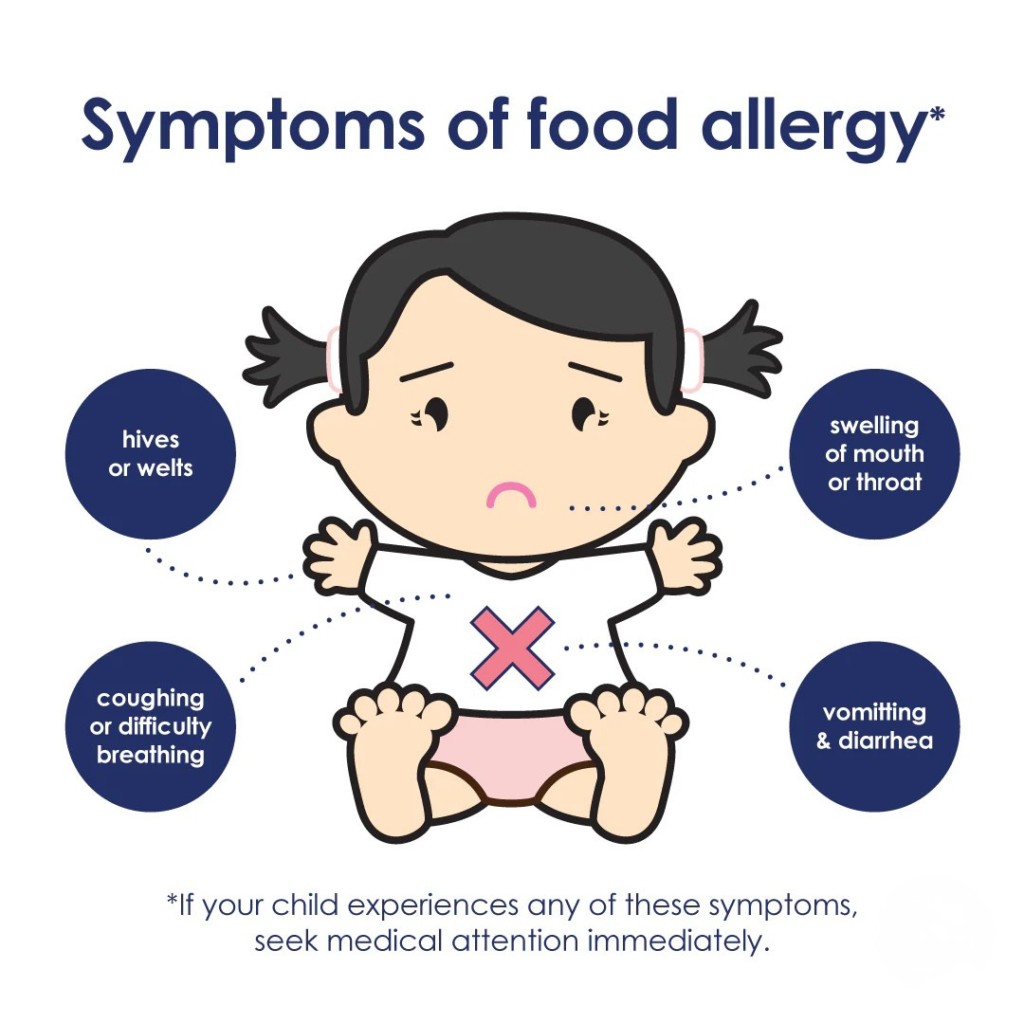
Knowing when to consult a specialist is important for your baby’s health. Early advice can prevent serious reactions and guide safe feeding. Watch for signs like rashes, vomiting, or breathing trouble after feeding. These signals need expert attention quickly.
Allergists specialize in diagnosing and treating food allergies. They use tests to find the exact cause of reactions. Pediatricians also help with initial assessments and ongoing care. Both doctors work together to create a safe plan for your baby’s diet and health.
Nutritionists help design balanced diets that avoid allergens. They ensure your baby gets all needed nutrients safely. They advise on alternative foods and how to introduce new foods carefully. Their support helps your baby grow healthy without risking allergic reactions.
Common signs include hives, swelling, vomiting, diarrhea, and persistent crying. Watch for skin rashes or breathing difficulties after eating new foods. Early recognition helps prevent severe reactions and ensures timely medical care for your baby.
Food allergy symptoms usually appear within minutes to two hours after eating. Immediate reactions are easier to identify. Delayed symptoms may take several hours and require careful monitoring after introducing new foods.
Common allergenic foods include milk, eggs, peanuts, tree nuts, soy, wheat, fish, and shellfish. Introducing these foods cautiously and one at a time helps identify any allergic reactions early on.
Consult a doctor if your baby shows hives, swelling, vomiting, or breathing trouble after eating. Persistent diarrhea or failure to gain weight also needs medical evaluation. Early diagnosis ensures proper treatment and management.
Recognizing food allergies in babies helps keep them safe and healthy. Watch for signs like rashes, swelling, or trouble breathing. Act quickly if symptoms appear. Talk to your doctor for proper advice and testing. Early care can prevent serious problems.
Trust your instincts as a parent. Stay informed and stay calm. Your baby’s health matters most.


