




Mealtimes with your baby can be a wonderful chance to bond, but they can also turn into stressful moments filled with fussing and frustration. You want your little one to enjoy eating, but sometimes it feels like a battle.
What if there was a way to make these moments fun and easy for both of you? You’ll discover simple, effective tips to keep baby mealtimes joyful and stress-free. Imagine looking forward to every meal, watching your baby explore new tastes happily, and feeling confident in your approach.
Keep reading, and you’ll learn how to transform mealtimes into the positive experience you both deserve.

Creating a positive mealtime atmosphere helps your baby enjoy eating. It makes the experience calm and happy. Babies feel safe and relaxed. This encourages them to try new foods and eat better.
Small changes in the environment can make big differences. The right setting, utensils, and sounds help your baby focus on eating. These elements reduce fussiness and stress. Here are some tips to create a warm mealtime atmosphere.
Pick a quiet, cozy spot for meals. Avoid places with many distractions. A calm space helps your baby pay attention to food. Use a high chair that supports your baby well. Make sure the room temperature feels good. Comfort helps your baby stay calm and happy during meals.
Colorful spoons and bowls catch your baby’s eye. Bright utensils make meals fun and interesting. Choose safe, baby-friendly materials. Soft edges and easy-to-hold shapes work best. Let your baby hold the spoon sometimes. This builds interest and encourages self-feeding skills.
Soft music sets a peaceful mood. Gentle melodies calm your baby and reduce fussing. Avoid loud or fast tunes that may distract. Keep the volume low and steady. Music creates a happy space for eating. It can help your baby relax and focus on food.
Establishing a consistent routine helps your baby feel safe and calm during mealtimes. Babies thrive on predictability. A regular routine sets clear expectations. It reduces fussiness and makes eating easier. Simple habits create a smooth and happy experience for you both.
Choose fixed times for meals and snacks every day. This helps your baby learn when to expect food. Consistency prevents hunger-driven fussiness. It also supports healthy digestion. Try to keep the schedule steady, even on weekends. Your baby will adjust and feel more secure.
Plan meals ahead to avoid last-minute stress. Prepare simple, nutritious foods the day before. Keep snacks ready and within reach. This saves time during busy moments. Having food ready means mealtimes are calm and smooth. You stay relaxed, and your baby stays happy.
Eat together as a family whenever possible. Babies learn by watching others eat. Family meals teach good manners and food habits. It makes your baby feel included and loved. Sharing mealtime strengthens bonds and builds positive memories. Keep the atmosphere cheerful and relaxed for best results.
Introducing new foods to your baby can feel challenging. Babies may react in many ways to new tastes and textures. Making the experience smooth helps build healthy eating habits early on.
Focus on gentle steps that encourage curiosity and acceptance. Keep mealtimes calm and positive. This approach helps your baby explore new foods with confidence and joy.
Start with tiny bites of new foods. Small portions are less overwhelming for babies. It also reduces waste and mess. This method lets your baby explore flavors without pressure.
Observe how your baby reacts. You can slowly increase the amount if they seem interested. Small servings make mealtime less stressful for both of you.
Mix new foods with tastes your baby already likes. For example, blend a new vegetable with mashed potatoes. This makes the new flavor less strong and more inviting.
Combining flavors helps babies feel more comfortable trying unfamiliar foods. It also introduces variety without sudden changes. This gentle mix can make mealtimes more enjoyable.
Babies may reject new foods at first. This is normal and part of learning. Keep offering the food without forcing it. It may take several tries before acceptance.
Stay calm and positive, even if your baby shows dislike. Patience shows your baby that trying new foods is safe. Over time, they will become more open to new tastes.
Encouraging self-feeding helps babies develop independence and motor skills. It allows them to explore new textures and tastes. This process can make mealtime more enjoyable for both baby and parent. Patience and support are key. Babies learn by trying and sometimes making a mess. Creating a positive environment helps them feel safe and confident.
Finger foods are perfect for little hands. They help babies practice grasping and picking up food. Choose soft, bite-sized pieces that are easy to chew. Examples include small pieces of banana, cooked carrots, or soft cheese. Avoid foods that are hard or sticky. Letting babies feed themselves encourages exploration and control over eating.
Offer spoons and forks designed for babies. These utensils have soft edges and a good grip. They help babies learn how to scoop and bring food to their mouth. Using safe utensils reduces frustration and risk of injury. Make sure utensils are the right size for small hands. Allow babies to try using them at their own pace.
Praise babies for every small effort. Smiles, claps, and kind words boost their confidence. Recognize when they pick up food or use a spoon well. This encourages them to keep trying. Avoid pressure or negativity during mealtime. Positive reinforcement turns feeding into a fun, stress-free experience.
Mealtimes with babies can bring many challenges. These moments can feel tough for parents. Managing these challenges makes mealtime calm and fun. Understanding common issues helps you prepare better. Here are simple ways to handle typical mealtime problems.
Picky eating is normal for many babies. They might refuse new foods or textures. Offer small bites of different foods often. Keep trying without pressure. Make food look colorful and fun. Praise your baby for trying, not just eating.
Babies get fussy for many reasons during meals. They might be tired, hungry, or distracted. Create a quiet, calm eating space. Sit with your baby and eat together. Use gentle tones and smiles to soothe. Keep mealtime short to match their attention span.
Power struggles happen when parents force eating. Babies want control too. Let them choose between two healthy options. Respect their hunger signals and stop when full. Stay calm and patient during refusals. This builds trust and makes meals peaceful.
Making mealtimes interactive helps babies enjoy eating and learn at the same time. It turns eating into a fun activity. Babies feel more involved and curious about food. This reduces fussiness and makes mealtime smooth. Simple actions can create a lively and happy atmosphere.
Singing songs or saying rhymes keeps babies interested during meals. It grabs their attention and makes them smile. Songs about food or eating add fun to the table. Rhymes help babies learn words and sounds. This makes mealtime feel like playtime.
Let babies see different foods before eating. Show them colorful fruits and vegetables. Ask which one they want to try first. This gives babies a sense of control. They become more excited to taste what they picked.
Cut food into fun shapes like stars or animals. Arrange colorful foods in a smiley face or patterns. Use small plates with bright colors. Playful presentation makes food look interesting. Babies are more likely to try food that looks nice.
Maintaining healthy eating habits for your baby sets the stage for a lifetime of good nutrition. It helps babies get the right vitamins and minerals for growth and development. Healthy eating also creates positive mealtime experiences that reduce stress for both parents and babies.
Introducing balanced meals early can shape your baby’s taste and preferences. Avoiding too much sugar and processed foods helps protect their health. Encouraging hydration keeps your baby energized and supports digestion. These steps build a strong foundation for your baby’s eating habits.
Provide a variety of foods from different groups. Include fruits, vegetables, grains, proteins, and dairy. Each food group supplies important nutrients your baby needs. Small portions of colorful foods make meals appealing. Balanced meals give energy and support healthy growth.
Reduce sweets, sugary drinks, and packaged snacks. These foods can cause tooth decay and poor nutrition. Processed foods often have added salt and unhealthy fats. Choose fresh or homemade options instead. Healthy choices help your baby develop a taste for natural flavors.
Offer water regularly throughout the day. Water keeps your baby hydrated and aids digestion. Avoid sugary drinks that add empty calories. Use a cup to help your baby learn to drink independently. Proper hydration supports overall health and well-being.

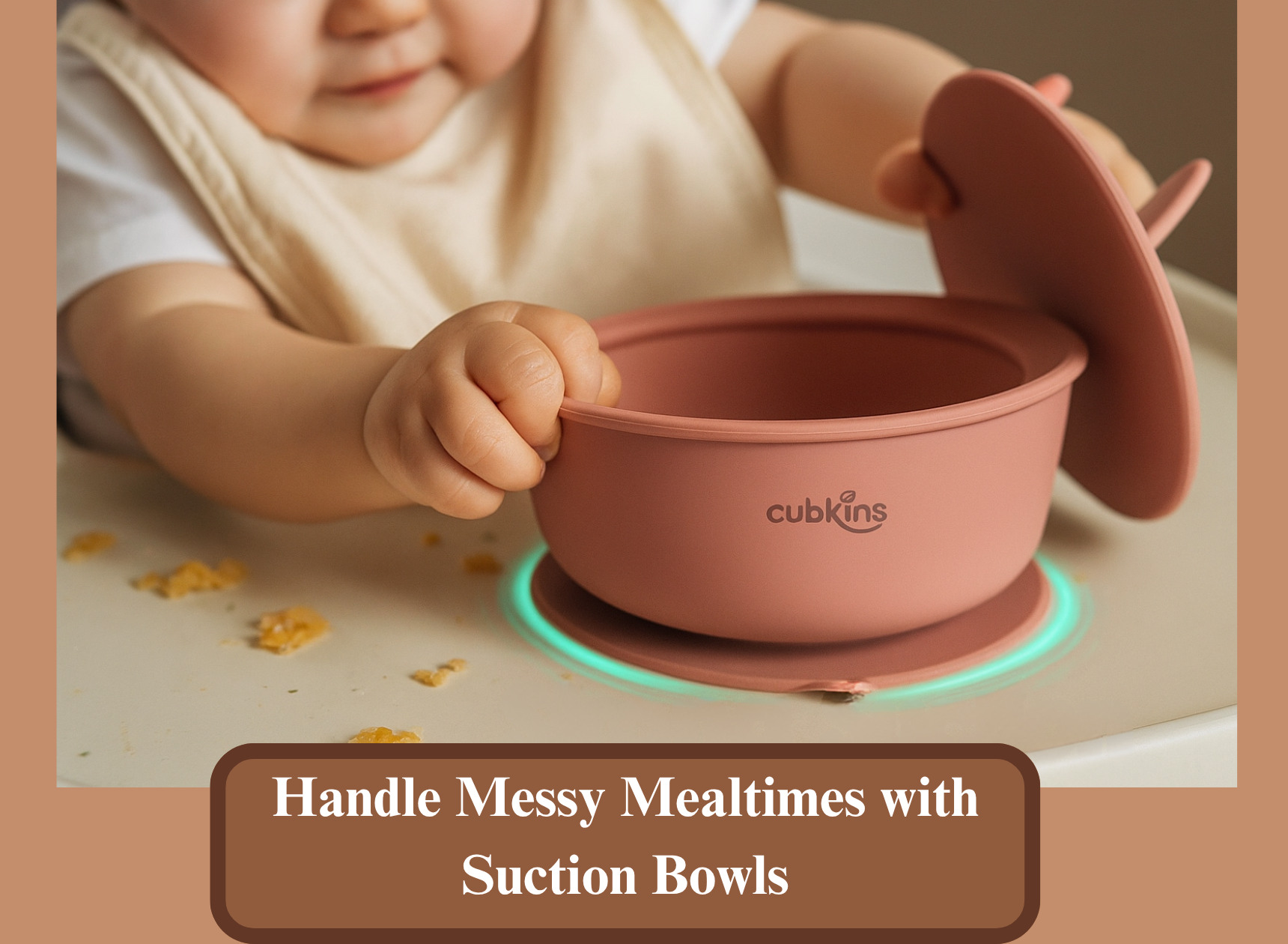
Create a playful environment with colorful utensils and fun food shapes. Engage your baby using songs or games. Keep meals relaxed to encourage positive eating habits. Consistency and patience make mealtimes enjoyable and stress-free.
Offer small, manageable portions to avoid overwhelming your baby. Maintain a calm, positive attitude during meals. Avoid forcing or rushing feeding times. Use distraction techniques like toys or stories to keep your baby interested.
Introduce new foods gradually alongside familiar favorites. Offer a variety of textures and flavors without pressure. Stay patient and consistent, as preferences change over time. Praise your baby for trying foods, even in small amounts.
Start a consistent mealtime routine as early as 6 months. Regular timing helps your baby anticipate and feel secure during meals. Consistency supports healthy eating habits and reduces mealtime stress for both baby and parents.
Making baby mealtimes fun helps build good eating habits early. Keep meals simple and colorful to attract your baby’s attention. Offer a variety of textures and tastes to keep things interesting. Stay patient and positive, even if your baby refuses food sometimes.
Remember, mealtime is a chance to bond and enjoy together. Small steps lead to less stress and more smiles. Keep trying new ideas and enjoy these special moments.


