




Are you wondering how to give your baby healthy snacks that support their growth and keep them happy? Introducing smart snacking for babies can feel tricky, but it doesn’t have to be.
With the right tips, you can make snack time both fun and nutritious. Keep reading to discover simple, effective ways to choose and offer snacks that your little one will love—and that will help build strong eating habits from the very start.
Your baby’s health and happiness are just a few easy steps away.
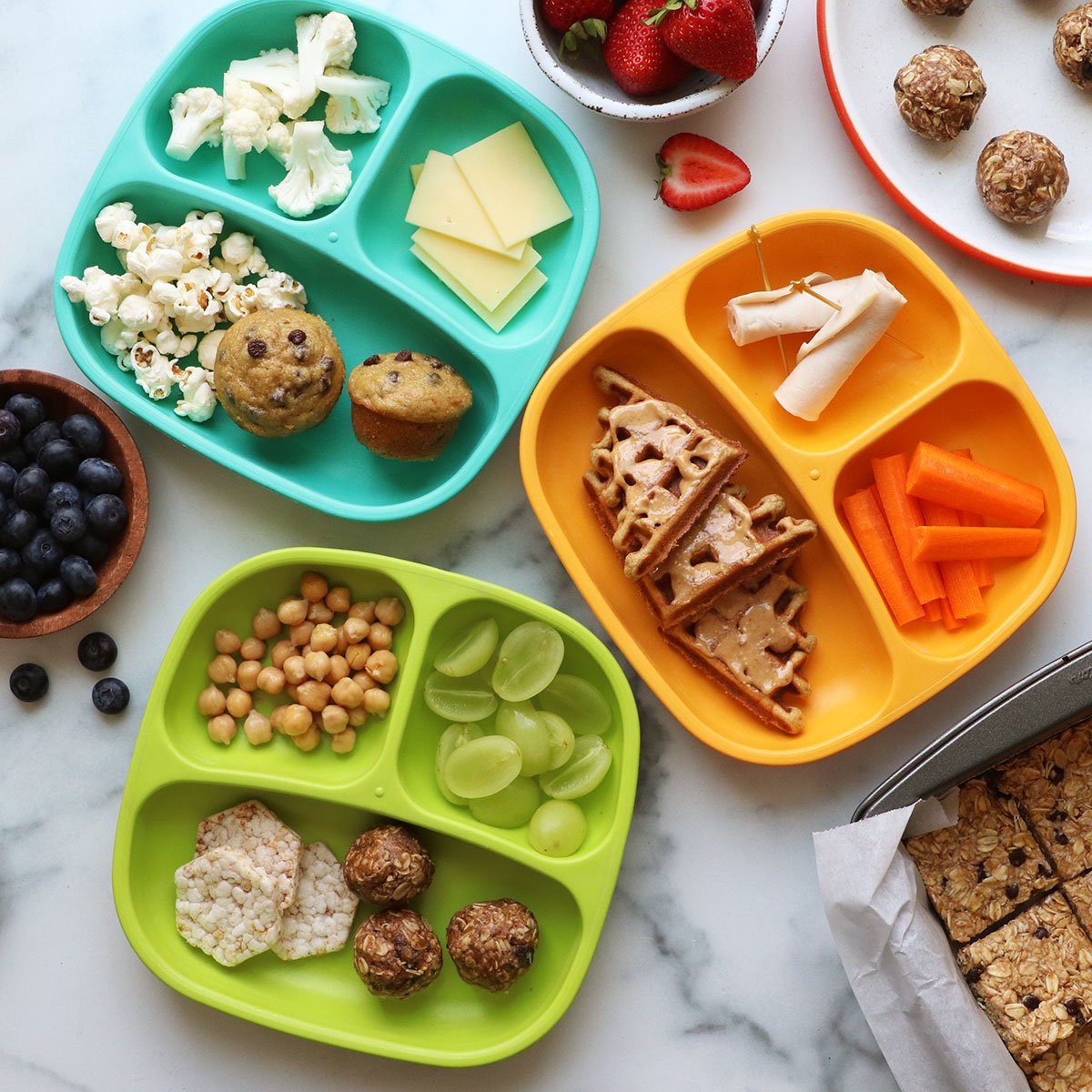
Smart snacking offers many benefits for babies. It supports their growth and keeps energy levels steady. Choosing the right snacks helps build healthy eating habits early. Small, nutritious bites can fit into a baby’s busy day easily.
Smart snacks provide important vitamins and minerals. These nutrients support brain and body development. Healthy snacks fill gaps between meals without overfeeding. Babies get balanced nutrition in small portions.
Regular, healthy snacks help babies grow strong. They provide energy needed for active play and learning. Smart snacks include foods rich in protein, iron, and calcium. These support muscle, bone, and brain development.
Smart snacking teaches babies to recognize hunger signals. Small portions reduce the risk of overeating at mealtime. It helps babies feel satisfied without feeling too full. This practice encourages a healthy relationship with food.
Offering different snacks introduces babies to new tastes. It broadens their food preferences early on. Babies learn to enjoy fruits, vegetables, and whole grains. This variety supports a balanced diet later in life.
Smart snacking creates a routine for eating times. Babies learn to expect and enjoy healthy snacks. It builds a foundation for mindful eating habits. These habits can last through childhood and beyond.
Choosing healthy snack options is key to smart snacking for babies. Snacks should support their growth and energy needs. They must be nutritious, easy to eat, and safe. Offering a variety of healthy foods helps babies develop good eating habits early.
Fresh fruits and vegetables provide important vitamins and minerals. Soft fruits like bananas, pears, and avocados are gentle on tiny teeth. Cooked vegetables such as carrots and sweet potatoes are easy to chew. These snacks also contain fiber, which aids digestion.
Whole grains and cereals offer lasting energy for active babies. Choose options like oatmeal, brown rice, or whole grain crackers. These foods contain more nutrients than refined grains. They also keep babies full longer, reducing fussiness between meals.
Dairy products like yogurt and cheese give calcium for strong bones. Protein snacks include small pieces of cooked chicken, beans, or eggs. These support muscle growth and brain development. Make sure the textures are soft and safe to avoid choking risks.
Safe snack preparation is key to keeping babies healthy and happy. Snacks must be nutritious and free from risks. Careful planning helps avoid accidents and ensures good eating habits.
Parents should prepare snacks with safety in mind. This means choosing the right sizes, avoiding choking risks, and maintaining cleanliness. These steps support baby’s growth and comfort.
Serve small snack portions for babies. Too much food can overwhelm them. Start with one to two tablespoons of soft foods. Adjust amounts based on your baby’s appetite and age. Small portions help babies learn to eat slowly and enjoy their food.
Cut snacks into tiny pieces. Avoid hard, round, or sticky foods. Examples include whole grapes, nuts, and popcorn. These can block a baby’s airway. Soft fruits, cooked vegetables, and mashed foods are safer choices. Always watch your baby while they eat.
Wash your hands before preparing snacks. Clean all utensils and surfaces thoroughly. Use fresh ingredients to prevent contamination. Store snacks in clean containers and refrigerate if needed. Good hygiene protects babies from germs and illness.
Introducing snacks at the right time helps babies learn healthy eating habits. Snacks provide energy between meals and support growth. Knowing how often to offer snacks keeps babies happy and satisfied.
Babies’ hunger levels change as they grow. Watching their cues helps parents decide snack timing. Regular snacks prevent fussiness and keep energy steady.
Offer snacks between main meals. Mid-morning and mid-afternoon are good times. Avoid giving snacks too close to mealtime. This helps babies eat well at meals.
Babies usually need two to three snacks a day. Younger babies may need fewer snacks. Older babies can handle more frequent snacks. Follow the baby’s hunger signals for timing.
Look for signs like reaching for food or fussiness. Baby shows interest in food during family meals. Solid food readiness means snacks can be introduced. Watch for chewing and swallowing skills.
Offer small portions to avoid overfeeding. Choose snacks with vitamins and minerals. Soft fruits, cooked vegetables, and small pieces of cheese work well. Avoid sugary or salty snacks.
Encouraging positive eating habits in babies sets a strong foundation for their health. Early habits shape their relationship with food. Smart snacking helps babies enjoy nutritious choices. It also teaches them good eating behaviors. Parents play a key role in guiding these habits.
Babies thrive with routines. Set regular snack times each day. This helps babies know what to expect. It also prevents random, unhealthy snacking. Keep snack portions small and consistent. A routine builds a sense of security and order.
Let babies explore different healthy snacks. Offer a variety of colors and textures. This makes snacks exciting and fun. Watch their reactions to find favorites. Involving them helps develop their taste buds. It encourages curiosity and independence in eating.
Babies learn by watching others. Eat healthy snacks yourself in front of them. Show enjoyment and calmness while eating. Avoid distractions like phones during snack time. This teaches babies to focus on their food. Positive modeling encourages good habits early on.
Introducing smart snacking to babies can bring some challenges. These challenges might make feeding times stressful. Understanding common problems helps parents find easy solutions. This section covers three key challenges: picky eating, allergies, and messy eating. Each one has simple ways to handle it.
Babies often reject new foods at first. It takes several tries for them to accept new tastes. Offer small amounts of different healthy snacks regularly. Keep mealtime calm and positive. Never force your baby to eat. Try mixing new foods with familiar favorites. Patience helps picky eaters become more open to smart snacking.
Food allergies can be scary for parents. Introduce new snacks one at a time. Watch for any signs of allergies like rash or swelling. Talk to your pediatrician before trying allergenic foods. Keep snacks simple with natural ingredients. This careful approach keeps babies safe and healthy during snack time.
Babies explore food with their hands and mouth. This can get messy but is part of learning. Use bibs and easy-to-clean mats. Offer finger foods that are soft and not too small. Let your baby enjoy the experience while you stay patient. Clean-up is easier with a plan and some practice.
Choosing the right snacks for babies supports their growth and keeps them happy. Healthy snacks give energy and teach good eating habits. Pick snacks that are safe, easy to eat, and full of nutrients.
Simple recipes save time and nourish your baby well. Soft fruit slices like banana or avocado work great. Cooked veggies, like sweet potato or carrot sticks, are tasty and gentle on little tummies. Small pieces of cheese or yogurt add calcium and protein. These snacks require little prep and are gentle for babies to chew.
Snacks for travel or outings must be easy to carry and mess-free. Rice cakes, small pieces of soft fruit, or dry cereal are good choices. Mini sandwiches with soft bread and mashed veggies offer variety. Pack snacks in small containers to avoid spills. These options keep your baby fed without fuss during busy days.
Using seasonal fruits and veggies offers fresh flavors and nutrients. In spring, try soft peas or ripe strawberries. Summer brings watermelon chunks or cucumber sticks. Fall offers cooked pumpkin or pear slices. Winter is perfect for mashed apples or steamed broccoli. Seasonal snacks help babies explore natural tastes and textures.

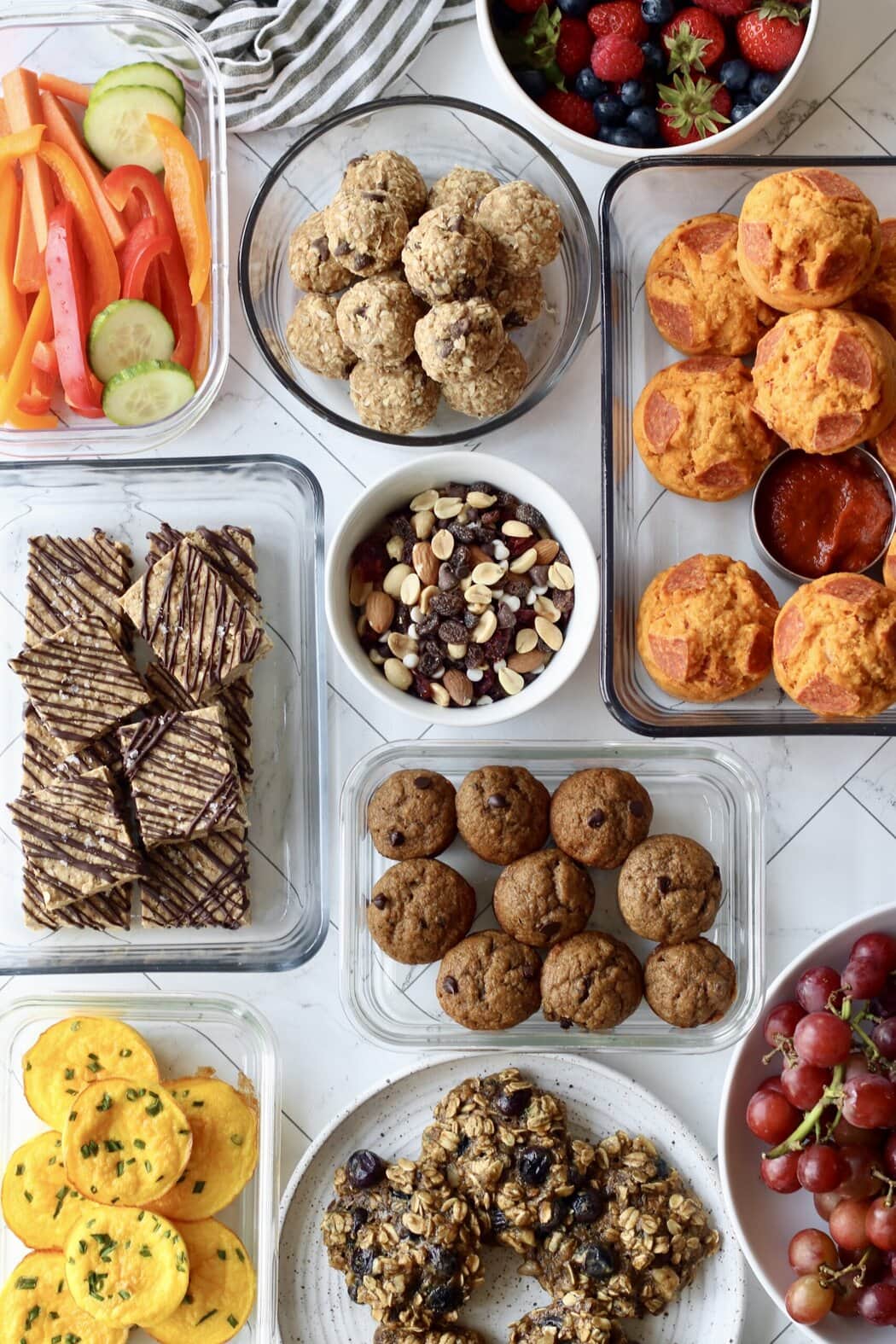
Best smart snacks for babies include soft fruits, steamed veggies, and whole-grain puffs. These provide essential nutrients and are easy to chew. Avoid added sugars and salt. Always choose age-appropriate textures to prevent choking risks. Fresh, natural ingredients are ideal for healthy snacking.
Introduce snacks around 6 to 8 months when your baby begins eating solids. Start with small, soft, and easy-to-digest foods. Monitor for allergies and reactions. Snacks should complement breast milk or formula, not replace meals. Gradually increase variety and quantity as your baby grows.
To make snacks healthier, choose natural, whole foods without added sugar or salt. Include fruits, vegetables, and whole grains. Avoid processed or sugary snacks. Prepare snacks fresh and cut into small, manageable pieces. This supports good nutrition and healthy eating habits early on.
Babies typically need 1 to 2 snacks per day between meals. Snacks should be small and nutritious to support growth and energy. Adjust frequency based on your baby’s appetite and daily routine. Snacks help fill nutritional gaps and prevent hunger between meals.
Introducing smart snacks helps babies grow healthy and strong. Choose fresh fruits, veggies, and whole grains. Keep snacks small and safe for little hands. Offer variety to make eating fun and interesting. Watch your baby’s cues to know when they are full.
Start early to build good eating habits. Smart snacking supports energy and development every day. Simple steps make a big difference in your baby’s health. Keep snacks natural, tasty, and easy to digest. Enjoy this exciting time of learning and growing together.


