




You want your baby to stay happy, active, and full of energy throughout the day. But those sudden energy crashes can leave your little one fussy, tired, and hard to soothe.
If you’ve ever wondered why your baby’s energy dips so quickly and how you can prevent it, you’re not alone. You’ll discover simple, effective ways to keep your baby’s energy steady and avoid those frustrating crashes. Keep reading to learn how small changes can make a big difference in your baby’s mood and overall well-being.

Babies cannot tell us when they feel tired or low on energy. Parents must notice signs of energy crashes early. This helps to comfort the baby and avoid fussiness or tantrums. Energy crashes happen when babies use up their energy too fast. Recognizing these signs can make care easier and help babies stay calm and happy.
Look for sudden tiredness or sleepiness. Babies may yawn often or rub their eyes. They might stop playing and seem less interested in toys. Crying without a clear reason can also show an energy crash. Watch for changes that happen quickly and last for a while.
Babies may become fussy or irritable. They might cry more than usual and want to be held. Some babies turn away from people or avoid eye contact. They may lose interest in feeding or refuse food. These changes show the baby needs rest and comfort.
Physical signs include pale skin or flushed cheeks. Babies may have shaky hands or a weak body. Their breathing might become faster or uneven. Some babies may clench their fists or arch their backs. These signs tell you the baby is tired and needs a break.
Energy drops in babies can happen for several reasons. Understanding these causes helps parents keep their little ones active and happy. Babies rely on good nutrition, proper sleep, and balanced activity to maintain steady energy.
Babies need the right foods to stay energized. Low blood sugar can cause sudden tiredness. Missing meals or eating too little can lead to energy drops. Foods high in sugar may give quick energy but cause crashes later. Balanced meals with proteins, fats, and carbs support steady energy levels.
Sleep plays a key role in a baby’s energy. Too little sleep makes babies irritable and tired. Poor sleep quality can also cause energy dips. Babies need regular naps and nighttime sleep to recharge. Interrupted sleep or inconsistent schedules affect their energy balance.
Too much noise, light, or activity can overwhelm babies. Overstimulation tires their brain and body quickly. This leads to sudden energy drops and fussiness. Quiet time and calm environments help babies rest and regain energy. Balancing play and rest keeps energy steady throughout the day.
Balanced feeding strategies help maintain steady energy in babies. They keep blood sugar stable and avoid sudden drops. Careful planning of meals supports healthy growth and mood. Good feeding habits lead to happier, more active babies.
Feed your baby at regular times each day. Avoid long gaps between meals. Small, frequent feedings prevent energy dips. Watch for hunger signs and respond quickly. Consistent timing helps babies feel secure and satisfied.
Choose foods rich in protein, healthy fats, and fiber. These nutrients release energy slowly and steadily. Include fruits, vegetables, whole grains, and lean meats. Avoid sugary snacks that cause quick energy spikes and crashes. Balanced meals improve your baby’s focus and mood.
Offer plenty of fluids to keep your baby hydrated. Water is best after six months of age. Breast milk or formula also provide hydration. Dehydration can cause tiredness and irritability. Regular drinks help maintain energy and overall health.

Establishing healthy sleep routines helps babies avoid energy crashes. Good sleep supports growth and brain development. It also keeps babies happy and alert.
Consistent sleep patterns create stability. Babies feel safe and relaxed. This helps them fall asleep faster and stay asleep longer.
Plan naps at regular times each day. Short naps prevent overtiredness and energy dips. Watch for sleepy cues like rubbing eyes or yawning. Avoid letting naps get too late in the afternoon. Proper nap timing keeps energy steady and mood bright.
Set a fixed bedtime every night. A predictable bedtime helps babies’ internal clocks. They learn when to feel sleepy. Stick to the same routine, even on weekends. This consistency reduces fussiness and nighttime wake-ups. A steady bedtime means better sleep quality and more energy.
Make the sleep area quiet and dark. Use soft lighting and remove noise distractions. Keep the room cool and comfortable. A calm space signals the body to relax. Avoid screens and active play before sleep. This peaceful setting supports deep, restful sleep and fewer energy crashes.
Managing your baby’s activity levels helps prevent energy crashes. Babies need the right balance of play and rest. Too much activity can tire them quickly. Too little may make them restless.
Careful attention to activity helps keep babies happy and calm. It supports healthy growth and better sleep.
Choose playtime that fits your baby’s age and energy. Simple activities like gentle rocking or soft toys work well. Short sessions of play avoid tiring your baby. Watch how long your baby stays interested. Stop play before your baby gets too tired.
Signs of overstimulation include fussiness, yawning, or turning away. Your baby may cry or seem restless. These signs mean they need a break. Overstimulation can lead to energy crashes and poor sleep. Notice these cues early to help your baby relax.
Use calming methods to soothe your baby after activity. Soft singing, gentle rocking, or quiet time helps. Dim lights and a calm voice create a peaceful space. These techniques help your baby regain energy slowly. Calm moments prevent sudden energy drops and fussiness.
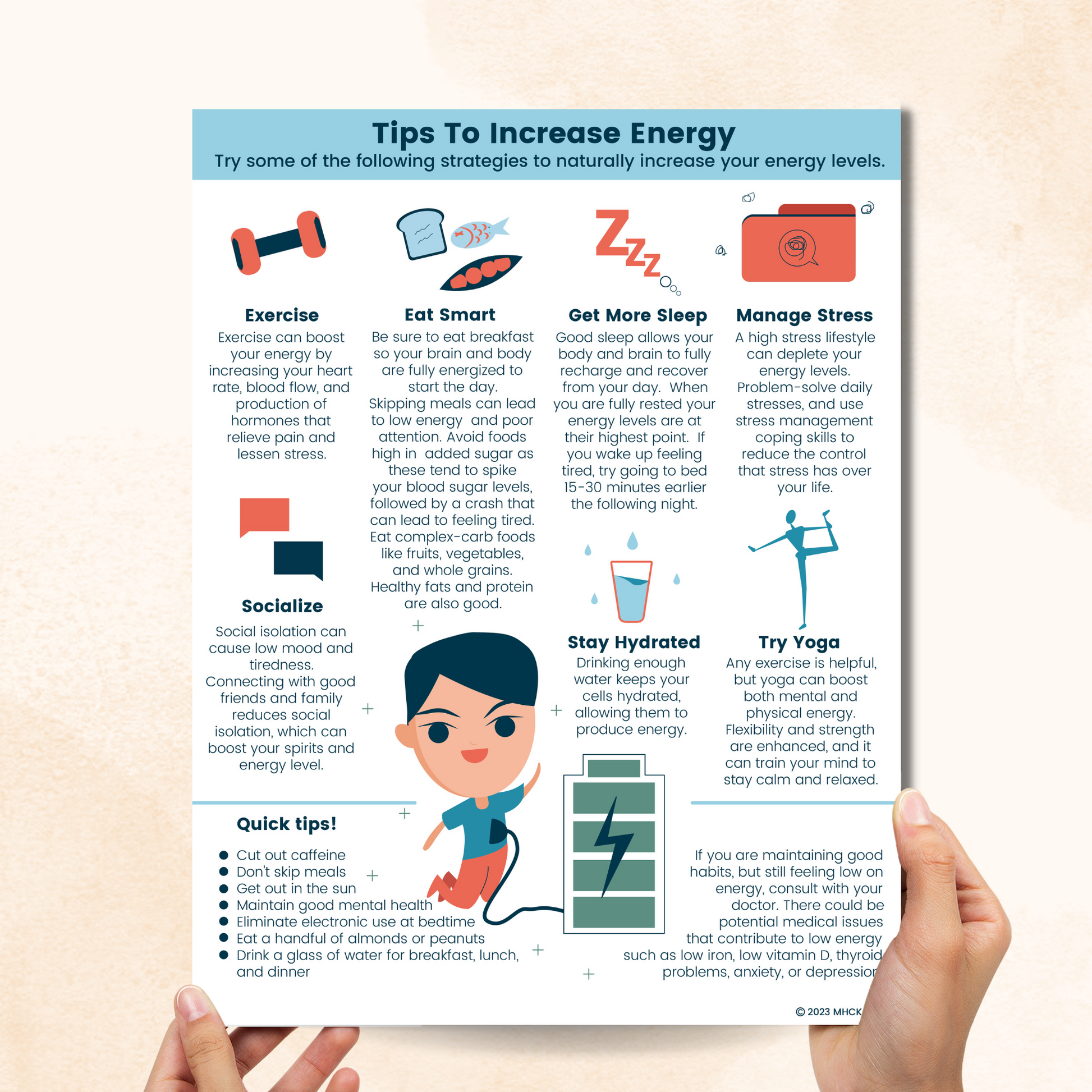
Babies have natural energy cycles that change throughout the day. Watching these cycles helps parents avoid energy crashes. Understanding when your baby is most active or tired guides better care. It also helps in planning naps, feedings, and playtime. Careful observation makes daily routines smoother for both baby and parents.
Tracking these patterns requires patience. Each baby is unique, with different energy rhythms. Noticing small changes can prevent fussiness and sudden tiredness. Monitoring energy helps create a balanced day for your baby’s needs.
Write down your baby’s sleep and awake times every day. Note feeding times and how long naps last. Record when your baby seems happy or cranky. A simple notebook or an app works well for this. This log shows patterns over days and weeks. It helps spot when energy dips or peaks happen.
Use your daily log to change your baby’s schedule. Move nap times earlier or later as needed. Adjust feeding times to match hunger signals better. Add quiet play during low-energy times. Plan active play when your baby feels most awake. Small changes can stop energy crashes before they start.
Knowing when to consult a pediatrician about your baby’s energy crashes is important. Not all tiredness is normal. Sometimes, it signals a deeper health problem. Early advice can help your baby stay healthy and active. Pediatricians can guide you on the best care steps. Pay attention to your baby’s behavior and energy levels closely.
Watch for unusual sleepiness that lasts long. Difficulty feeding or poor weight gain can be a red flag. Sudden changes in mood or constant crying need attention. Look for breathing problems or persistent fever. These signs may show health issues causing energy drops. Acting early helps prevent more serious problems.
A pediatrician can suggest safe ways to boost energy. They check if your baby gets enough nutrition and rest. They may recommend tests to rule out infections or allergies. Experts give advice on feeding schedules and nap times. Follow their tips to help your baby avoid crashes. Regular check-ups keep your baby’s energy steady and healthy.
Energy crashes in babies often result from low blood sugar, dehydration, or inadequate sleep. These factors reduce their energy levels quickly. Feeding regular, ensuring hydration, and maintaining consistent nap schedules help prevent these crashes effectively.
Prevent energy dips by offering frequent, balanced meals with proteins and healthy fats. Ensure your baby stays hydrated and gets enough sleep. Avoid overstimulation, which can tire them out quickly and cause sudden energy drops.
Look for sudden irritability, yawning, fussiness, or decreased activity. Babies may also seem lethargic or overly sleepy. Recognizing these signs early helps you address their needs promptly to restore energy.
Sleep is crucial for energy restoration in babies. Regular naps and nighttime sleep help maintain stable energy levels. Poor or insufficient sleep increases the likelihood of energy crashes and irritability.
Keeping your baby’s energy steady helps them stay happy and calm. Feed them healthy meals often and let them rest well. Watch for signs of tiredness or hunger to act early. Play and cuddle to keep them relaxed and secure.
Small changes in daily care make a big difference. Your baby will feel better and grow strong this way. Simple steps bring peace for both you and your child. Remember, consistency is key to avoid energy crashes. Keep your baby’s needs in mind every day.


