




Feeding your baby can feel overwhelming, especially when you want meals to match your busy family life. You might wonder how to balance nutrition, taste, and convenience without stress.
What if you could create baby meals that fit smoothly into your daily routine, making mealtime easier and more enjoyable for everyone? This guide will show you simple, practical ways to adjust your baby’s meals so they blend perfectly with your family’s lifestyle.
Keep reading—you’ll discover tips that save time, reduce fuss, and keep your little one happy and healthy.

Adjusting baby meals to fit your family’s lifestyle starts with understanding daily routines. Each family has unique schedules and habits. This impacts how and when your baby eats. Assessing your family’s routine helps create meal plans that work smoothly. It reduces stress and keeps feeding times consistent and enjoyable.
Observe your family’s usual meal times. Babies often need smaller, more frequent meals. Match baby meal times with family meals when possible. This encourages social eating and routine. If your family eats three main meals, add healthy snacks for your baby. Adjust the number of meals based on your baby’s age and hunger cues.
Busy families need flexible feeding options. Prepare easy-to-carry meals or snacks for outings. Use portable containers and spoons. Plan ahead to avoid hunger during travel or errands. Keep nutritious finger foods handy. This helps maintain your baby’s feeding schedule outside the home.
Feeding your baby can be a shared task. Let siblings or grandparents help with meals. This builds bonds and makes feeding times fun. Share information about your baby’s diet with everyone. Consistency from all caregivers supports healthy eating habits. Teamwork eases the pressure on parents and creates a positive environment.
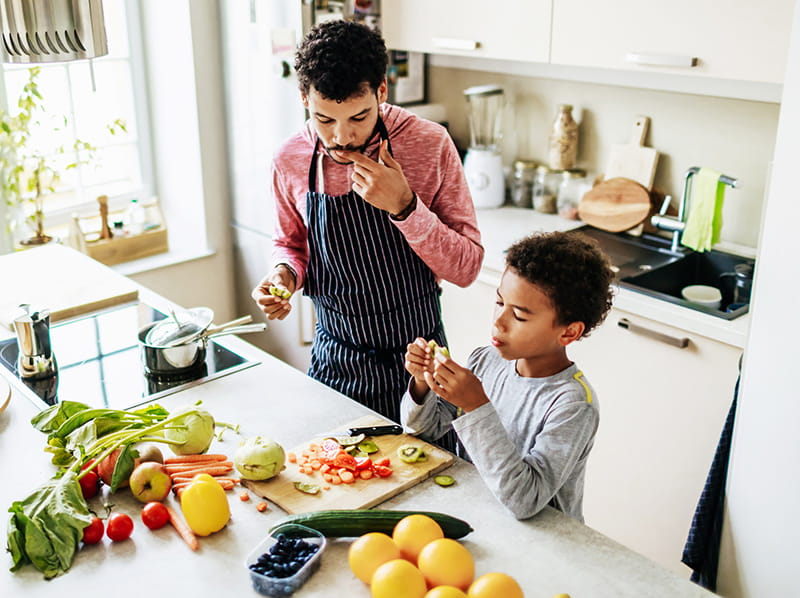
Choosing suitable baby foods is key to fit meals into your family’s lifestyle. Babies need foods that support growth and are easy to prepare. This helps keep mealtime smooth and stress-free. Selecting the right foods means balancing health needs and daily routines.
Babies require vitamins, minerals, and proteins for strong growth. Parents want quick meal options that save time. Finding foods rich in nutrients and easy to serve is best. Simple recipes and ready-made items can work well together. This balance helps keep babies healthy and parents less stressed.
Every family has unique food habits and tastes. Baby meals should match these preferences while being safe. Some families prefer vegetarian or allergy-friendly foods. Adjusting baby food to match family choices creates harmony. This approach encourages babies to enjoy familiar flavors early.
Homemade baby food allows control over ingredients and freshness. Store-bought options offer convenience and variety. Combining both types offers flexibility for busy days and special meals. Parents can prepare fresh meals or use quality store products as needed. This mix supports a practical and healthy feeding routine.
Meal prep strategies help save time and reduce stress. Planning and preparing baby meals ahead fits busy family routines. It also ensures babies eat nutritious food every day.
Simple meal prep makes feeding your baby easier. You can cook once and use many times. This section shares useful tips on batch cooking, storage, and quick recipes.
Cook large portions of baby food in one session. Use fresh vegetables, grains, and proteins. Divide the food into small portions for easy use.
Choose recipes that freeze well, like purees and stews. Label containers with dates and contents. This helps track freshness and variety for your baby.
Store baby meals in airtight containers or freezer bags. Keep them in the fridge for up to three days. Freeze meals for up to three months.
Reheat food gently to keep nutrients intact. Warm meals in a bowl or microwave. Stir well and test temperature before serving.
Prepare simple recipes with few ingredients. Use steamed veggies like carrots or peas. Mash soft fruits such as bananas or avocados.
Combine cooked grains with pureed vegetables for balanced meals. Make small batches to avoid waste. Keep recipes fresh and tasty for your baby.
Encouraging family mealtime helps build strong bonds between parents and children. Sharing meals creates a sense of security for your baby. It also makes eating a happy and social experience. Adjusting baby meals to fit family routines supports this connection. Here are ways to foster a positive family mealtime.
Keep the dining area calm and inviting. Use soft lighting and comfortable seating. Avoid rushing meals to reduce stress. Smile and talk gently with your baby. Show enjoyment while eating to encourage them. Positive energy helps your baby feel safe and eager to eat.
Serve baby food alongside family dishes. Use similar ingredients for ease and familiarity. Let your baby sit at the table with everyone. This inclusion promotes a sense of belonging. Offer small portions of family meals adapted for your baby. Sharing mealtime routines supports healthy eating habits.
Turn off TVs and silence phones during meals. Keep toys and screens away from the table. Focus on the meal and family conversation. This helps your baby learn to concentrate on eating. Less distraction means better digestion and more enjoyment. Consistent mealtime rules create a peaceful atmosphere.
Adjusting baby meals to fit your family’s lifestyle can bring some challenges. Each family has unique needs, tastes, and routines. Finding ways to handle these issues helps make mealtime easier and more enjoyable. Here are some tips to tackle common challenges.
Many babies become picky eaters at some point. Offer small portions of new foods alongside favorites. Keep trying without pressure. Serve colorful and fun meals to spark interest. Let your baby explore textures and tastes at their own pace. Avoid forcing or bribing to eat. Patience is key for picky eaters.
Food allergies need careful attention. Introduce new foods one at a time. Watch for any signs of allergic reactions like rashes or swelling. Consult your doctor before adding allergenic foods. Substitute allergenic ingredients with safe alternatives. Keep emergency contacts and medication handy. Always read food labels to avoid hidden allergens.
Travel and special events can disrupt meal routines. Pack familiar snacks and easy-to-carry foods for trips. Plan meals ahead for parties or holidays. Bring baby-friendly utensils and bibs. Adapt meals to what is available while keeping nutrition in mind. Stay calm if your baby eats differently during these times.
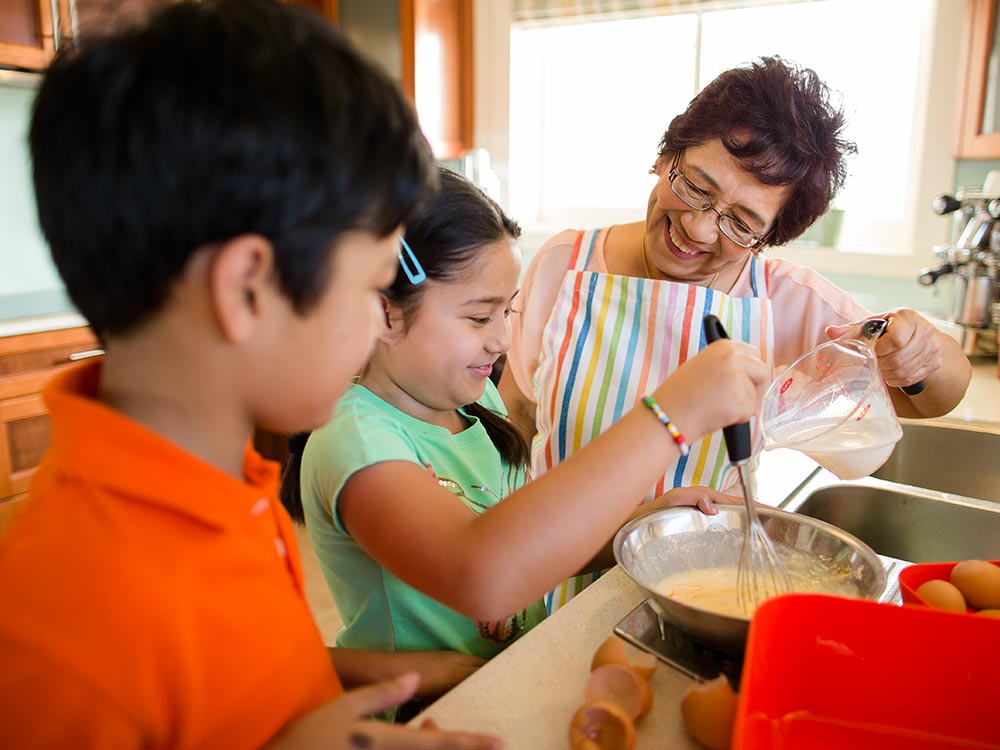
Adjust baby meals by syncing feeding times with family meals. Prepare simple, nutritious foods that match your routine. Use batch cooking to save time. This ensures your baby eats fresh food while fitting seamlessly into your daily life.
Choose soft, mild-flavored foods like mashed vegetables, fruits, and grains. Avoid added salt and sugar for babies. Adults can season their portions separately. This approach promotes shared meals and reduces cooking complexity.
Offer a variety of textures and flavors gradually to your baby. Encourage tasting but don’t force eating. Involve your child in meal prep to boost interest. Consistency and patience help develop healthy eating habits for the whole family.
Yes, introduce traditional family dishes adapted for babies. Ensure foods are soft and allergen-free. This helps your baby connect with family culture and expands their palate safely.
Adjusting baby meals to fit your family’s lifestyle takes time and patience. Keep meals simple and flexible. Include foods your family enjoys. Watch your baby’s reactions and preferences closely. Small changes can make mealtime easier for everyone. Stay consistent but open to trying new foods.
Remember, your baby learns by watching you. Make mealtime a happy, stress-free experience. This approach helps your baby grow healthy and strong.
Discover baby spoons that support self-feeding at I Can Spoon.


