




When your baby is fussy or just needs a little extra love, comfort food can work wonders. But you might worry about giving them something healthy and nourishing at the same time.
What if you could offer meals that feel warm and cozy while also supporting your baby’s growth and development? You’ll discover simple, healthy comfort food ideas that your little one will love. Get ready to make mealtime both soothing and nutritious—because your baby deserves the best of both worlds.
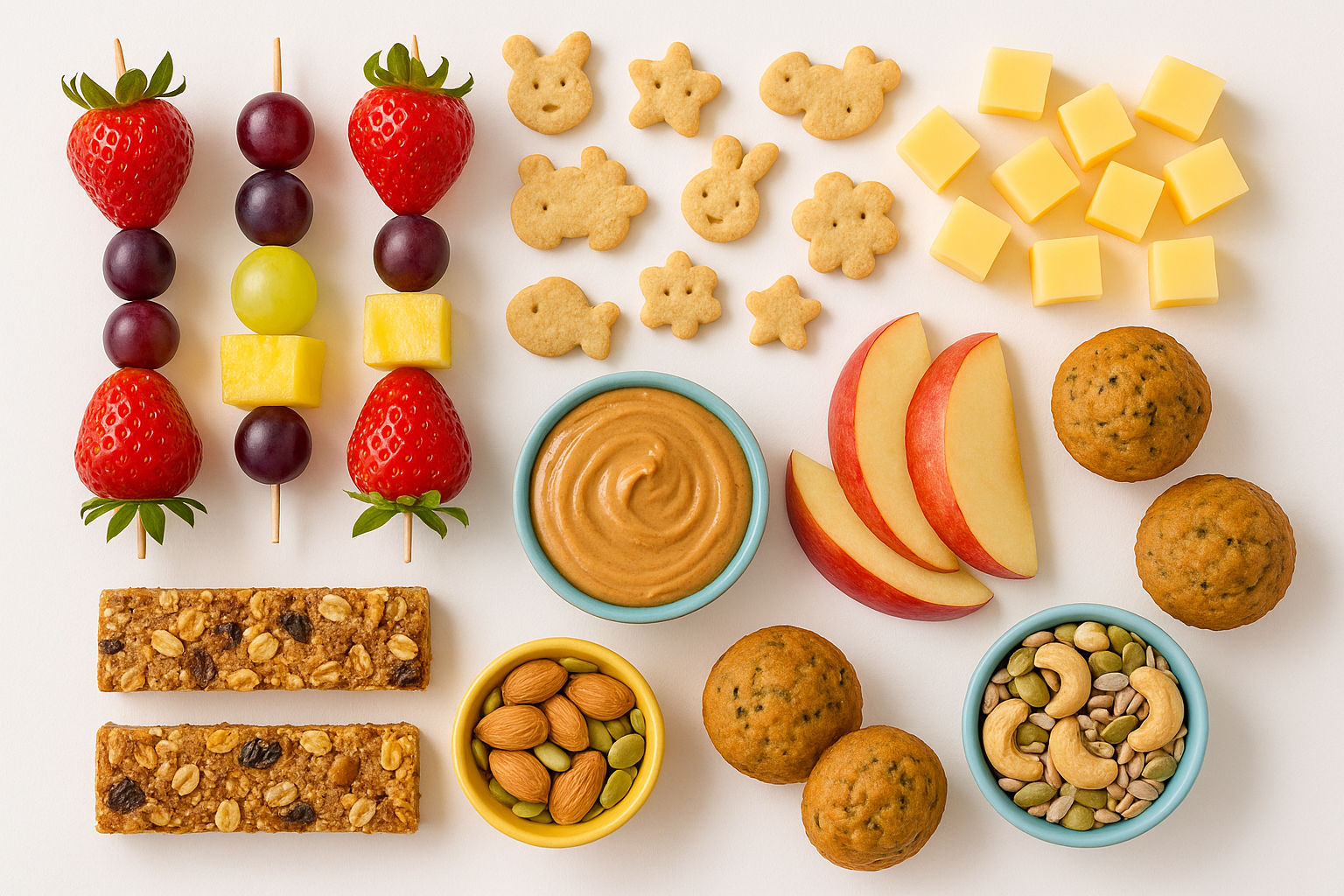
Healthy comfort foods offer more than just warmth and taste for babies. They provide essential nutrients and create a sense of security. These foods help babies feel calm and happy while supporting their growth. Choosing the right comfort foods can shape a baby’s eating habits in a positive way.
Babies need foods rich in vitamins, minerals, and healthy fats. These nutrients help brain development and strong bones. Healthy comfort foods often include vegetables, fruits, and whole grains. These ingredients provide energy and support the immune system. Feeding babies nutrient-dense comfort foods meets their needs and keeps them healthy.
Comfort foods calm babies during stressful moments. Warm, soft textures feel gentle in their mouths. These foods can reduce fussiness and help babies relax. The familiar tastes bring a sense of safety. This soothing effect helps babies sleep better and feel secure.
Introducing healthy comfort foods teaches babies to enjoy good nutrition. It encourages trying new flavors and textures. Positive eating experiences reduce picky eating later. Babies learn to associate food with comfort and happiness. Early healthy habits lead to better food choices as they grow.

Creating healthy comfort food for babies means choosing the right ingredients. These ingredients nourish growing bodies and support brain development. They also help babies enjoy tasty meals that feel cozy and familiar.
Baby-friendly recipes focus on foods that are gentle on tiny tummies. They also provide essential vitamins and minerals. Here are some key ingredients to include in your baby’s meals.
Whole grains like oats, brown rice, and quinoa offer fiber and energy. They help digestion and keep babies full longer. Cereals made from whole grains provide important nutrients like iron and B vitamins. These grains have a mild taste that suits baby palates well.
Fruits and vegetables bring natural sweetness and color to baby food. Carrots, peas, apples, and bananas are easy to digest and rich in vitamins. They supply vitamin C, potassium, and antioxidants. Soft-cooked or pureed forms make these foods gentle for babies to eat.
Lean proteins such as chicken, turkey, and fish help build muscles. Beans, lentils, and peas provide plant-based protein and fiber. These ingredients support growth and keep energy levels steady. Cooked until soft, they are safe and easy for babies to chew.
Healthy fats are vital for brain and eye development. Sources include avocado, olive oil, and flaxseed oil. These fats help absorb vitamins and keep skin healthy. Adding small amounts of healthy oils makes baby food smooth and tasty.
Simple purees and mash ideas are perfect for introducing babies to solid foods. They are gentle on tiny tummies and easy to digest. These foods also offer a variety of nutrients for healthy growth.
Preparing purees and mashes at home ensures fresh ingredients and no added sugar or salt. It helps babies learn different flavors and textures. Here are some easy and healthy ideas to try.
Sweet potatoes and carrots are rich in vitamins A and C. They have a naturally sweet taste that babies enjoy. Steam them until soft, then mash with a fork or blend for a smooth texture. This mix supports eye health and boosts immunity.
Apples and pears provide fiber and important antioxidants. Peel, core, and cook them until tender. Blend into a smooth puree that is mild and sweet. This combination helps digestion and introduces fruit flavors early on.
Avocado and banana are creamy and full of healthy fats. They do not require cooking, making preparation quick. Mash them together for a smooth blend that supports brain development. This duo offers a rich texture and natural sweetness.

Soups and stews offer warm comfort and gentle nutrition for babies. They are soft, easy to eat, and full of flavors that little ones enjoy. These meals provide hydration and essential vitamins, making them a great choice for growing babies.
Simple recipes with natural ingredients can soothe and satisfy your baby’s hunger. These dishes allow you to introduce new tastes and textures safely. Let’s explore a few comforting soup and stew ideas perfect for your baby’s diet.
This broth is light and nourishing. Use skinless chicken and fresh vegetables like carrots and celery. Simmer gently to keep all nutrients intact. Strain the broth to remove any solids for easy swallowing. This soup supports hydration and provides protein for growth.
Lentils add protein and fiber, while pumpkin brings sweetness and vitamins. Cook lentils until soft, then blend with steamed pumpkin. This smooth soup is gentle on tiny tummies. It introduces your baby to plant-based flavors and helps digestion.
Cook rice with a mix of soft vegetables such as peas and carrots. Use low-sodium vegetable stock for flavor. The stew is thick and filling but easy to eat. It delivers energy and important nutrients to support active babies.
Soft finger foods help babies learn to feed themselves. They develop hand-eye coordination and fine motor skills. These foods are easy to hold and chew. They also encourage independence and confidence at mealtime.
Choosing safe, soft foods is important. Foods should be small enough to avoid choking. They should also be healthy and tasty. Here are some great ideas for soft finger foods.
Steamed veggie sticks are gentle on little gums. Carrots, zucchini, and sweet potatoes work well. Steam until soft but not mushy. Cut into small sticks easy for baby to grasp. These veggies offer vitamins and fiber. They add color and variety to meals.
Mini meatballs are soft and packed with protein. Use ground chicken, turkey, or beef. Mix with breadcrumbs and mild spices. Bake or steam until fully cooked. Make small, bite-sized balls for easy handling. They provide energy and help muscle growth.
Cheesy potato bites are creamy and soft. Boil or bake potatoes until tender. Mash and mix with mild cheese. Shape into small rounds or cubes. Bake until slightly golden but soft inside. These bites offer calcium and carbohydrates. They make a comforting snack for babies.
Introducing flavors to babies can be exciting and fun. It helps them enjoy food and develop healthy eating habits. Safe flavoring means using gentle tastes that do not upset their small stomachs. It also means avoiding harmful ingredients. Careful steps make each meal a positive experience.
Mild herbs like basil, parsley, and dill add fresh taste to baby food. Small amounts of cinnamon or ginger can bring warmth. Use only a pinch. These flavors are gentle and safe. They make food interesting without overwhelming a baby’s palate.
Babies do not need added salt or sugar. Their kidneys cannot handle extra salt. Sugar may cause tooth decay and cravings. Natural sweetness from fruits and vegetables is best. Cooking without added salt or sugar helps babies learn to enjoy real food flavors.
Try one new flavor at a time. Offer it for three to five days to watch for reactions. Babies need time to accept new tastes. Mixing new flavors with familiar foods helps. Patience is key. This approach builds comfort with different foods safely.
Preparing and storing healthy comfort food for babies can save time and reduce stress. Proper methods keep meals fresh and safe. Follow these tips to make feeding easier and healthier.
Cook large portions of baby-friendly meals at once. Divide the food into small containers or ice cube trays. Freeze in single servings for quick use. This method saves time and prevents waste.
Wash hands and surfaces before cooking. Use clean utensils and containers. Cool cooked food quickly before storing. Keep frozen meals at the correct temperature. Always check for spoilage before feeding.
Reheat food gently to keep nutrients intact. Use a microwave or stovetop on low heat. Stir food well to heat evenly. Avoid overheating or boiling. Serve food at a safe temperature for babies.
Healthy comfort foods for babies include pureed vegetables, mashed fruits, and soft whole grains. These options provide nutrition and soothe babies without added sugars or salt, ensuring gentle digestion and balanced energy.
Use fresh, organic ingredients and avoid processed foods. Incorporate a variety of fruits, vegetables, and proteins. Cook foods softly to maintain nutrients while ensuring easy swallowing for babies.
Babies can start comfort foods around 6 months, once they begin solids. Introduce one food at a time to monitor allergies, and gradually increase texture as they grow.
Yes, homemade comfort foods are often fresher and free from preservatives. They allow control over ingredients, ensuring healthier, tailored meals that meet your baby’s dietary needs and preferences.
Healthy comfort foods help babies feel safe and loved. Simple recipes bring nutrition and joy to mealtime. Soft textures and mild flavors suit little mouths well. Offer a variety to keep your baby interested. Remember, small changes make a big difference in health.
Enjoy these moments of feeding and bonding every day. Keep exploring new ideas to nourish your growing baby. Healthy comfort food can be easy and fun.


