



You want the best for your baby, especially when it comes to their health. Inflammation can cause discomfort and slow down your little one’s growth.
But did you know that certain foods can help reduce inflammation safely? Choosing the right anti-inflammatory foods for your baby can support their immune system and keep them feeling happy and strong. You’ll discover simple, safe options that are gentle on your baby’s tummy and packed with nutrients.
Keep reading to find out how to make mealtime both tasty and healing for your child.
Anti-inflammatory foods bring many benefits to babies. These foods help keep their tiny bodies healthy and strong. Including safe anti-inflammatory foods in a baby’s diet supports overall wellness and growth.
Choosing the right foods can reduce swelling and discomfort. It also helps the immune system fight infections better. Plus, these foods provide important nutrients for brain and body development.
Inflammation can cause pain and slow healing in babies. Anti-inflammatory foods help lower this swelling naturally. They calm the body’s response to irritation and injury. This relief supports faster recovery and comfort for little ones.
Babies have developing immune systems that need protection. Anti-inflammatory foods boost their defenses against germs. These foods contain vitamins and antioxidants that strengthen immunity. A strong immune system means fewer illnesses and quicker healing.
Good nutrition is key for baby growth and brain function. Anti-inflammatory foods provide essential nutrients for cells and organs. They help build strong bones, muscles, and healthy brain connections. This support is vital during the early stages of life.
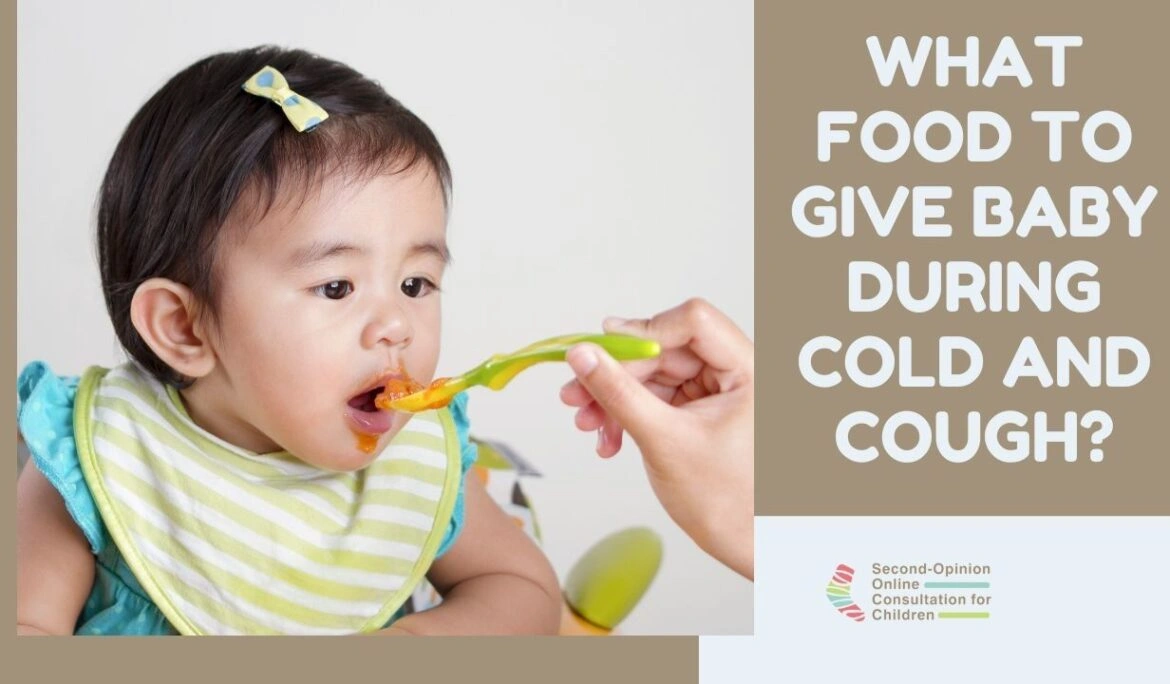
Babies need special nutrients to help their bodies fight inflammation safely. Some nutrients reduce swelling and keep the immune system strong. Introducing these key anti-inflammatory nutrients in baby food supports healthy growth and comfort. Parents can choose simple foods rich in these nutrients to protect their little ones.
Omega-3 fatty acids help lower inflammation in the body. These healthy fats support brain and eye development too. Good sources for babies include mashed avocado, soft cooked salmon, and ground flaxseeds. Including omega-3 in baby meals can calm inflammation and boost overall health.
Antioxidants protect cells from damage caused by inflammation. Vitamins like A, C, and E work as strong antioxidants. Bright fruits and vegetables provide these vitamins. Soft cooked carrots, sweet potatoes, and mashed berries are gentle options for babies. These nutrients help the body fight harmful changes and heal faster.
Fiber and prebiotics support good gut bacteria. Healthy gut bacteria reduce inflammation and improve digestion. Soft fruits like bananas and pears offer fiber and prebiotics. Cooked oats and pureed peas are also great choices. Feeding babies fiber-rich foods helps keep their digestive system calm and strong.
Choosing safe anti-inflammatory foods for babies supports their growth and health. These foods help reduce inflammation naturally and are gentle on tiny stomachs. Introducing a variety of these options can build a strong foundation for lifelong healthy eating habits.
Fruits and vegetables are rich in vitamins and antioxidants. Soft fruits like mashed bananas and cooked carrots are easy to digest. Blueberries and sweet potatoes offer natural anti-inflammatory benefits. These foods help protect the body from damage and support the immune system.
Whole grains like oats and brown rice provide fiber and nutrients. Cooked lentils and beans are good sources of protein and reduce inflammation. These foods keep energy levels stable and support digestion. Always cook legumes thoroughly to make them safe for babies.
Healthy fats are crucial for brain and body development. Avocado and olive oil contain anti-inflammatory properties. These fats are easy to add to purees or soft meals. They help absorb vitamins and keep the skin healthy.
Introducing anti-inflammatory foods to babies supports their growing bodies. These foods can help reduce inflammation and promote overall health. Early nutrition plays a key role in setting up healthy habits for life.
Choosing the right foods ensures safety and good digestion. Knowing when to start, allergy risks, and proper preparation makes feeding easier and safer.
Babies can start eating solid foods around six months old. At this age, their digestive system is more ready. Begin with small amounts of soft, easy-to-digest foods. Always watch for how the baby reacts to new foods.
Introduce one new food at a time to spot allergies. Wait three to five days before adding another food. Common allergens include nuts, eggs, and dairy. Consult a pediatrician if there is a family history of allergies.
Cook foods until soft to avoid choking risks. Puree or mash foods for smooth textures. Avoid adding salt, sugar, or spices. Fresh, natural ingredients work best for babies’ meals.
Choosing the right foods for babies helps reduce inflammation and keeps them healthy. Some foods can cause inflammation or allergic reactions. Avoiding these foods supports your baby’s growth and comfort. Here are foods to avoid for a safe, anti-inflammatory diet.
Processed foods often contain unhealthy fats and additives. These can cause inflammation in babies’ sensitive bodies. Sugary snacks and drinks raise blood sugar quickly. This can trigger inflammation and harm their immune system. Avoid sweets, chips, and packaged snacks. Fresh, whole foods are better choices.
Common allergens include peanuts, eggs, dairy, and shellfish. These can cause allergic reactions or inflammation in babies. Introduce new foods slowly and watch for any signs of allergies. Always consult your pediatrician before adding these foods. Avoid giving multiple new foods at once to spot issues easily.
Babies’ kidneys cannot handle too much salt. High-sodium foods cause water retention and inflammation. Avoid canned soups, processed meats, and salty snacks. Choose fresh fruits, vegetables, and homemade meals with little or no added salt. This helps protect your baby’s health and reduces inflammation risk.
:max_bytes(150000):strip_icc()/An-Anti-Inflammatory-Diet-Could-Lower-Your-Colon-Cancer-Risk-by-16-New-Study-Says-db5b004632094ad681457984010db434.jpg)
Introducing anti-inflammatory foods to your baby can start with simple meals. These meals help reduce inflammation and support healthy growth. Focus on natural, gentle ingredients that your baby can easily digest. Variety keeps meals interesting and nutritious.
Soft oatmeal made with water or breast milk is a great start. Mix in mashed banana for natural sweetness. You can also try pureed pear or apple. Small pieces of avocado offer healthy fats and smooth texture. Yogurt with no added sugar is a good source of probiotics.
Cooked sweet potatoes are rich in vitamins and easy to digest. Blend steamed carrots with lentils for a protein boost. Soft-cooked chicken or turkey, shredded finely, provides lean protein. Mild vegetable soups with zucchini or squash are soothing and nutritious. Avoid strong spices and salt to keep meals gentle.
Small pieces of soft fruit like ripe peaches or melon work well. Rice cakes with a thin layer of nut butter offer healthy fats. Steamed vegetable sticks like carrot or broccoli are easy to hold and chew. Unsweetened applesauce is a tasty, gentle option. Keep snacks simple and wholesome for better digestion.
Monitoring your baby’s response to anti-inflammatory foods is very important. Babies may react differently to new foods. Watching closely helps keep your baby safe and healthy. It also guides you to choose the best foods for them. Understanding your baby’s signals makes feeding a positive experience.
Food sensitivity can show in many ways. Look for rashes, swelling, or redness on the skin. Digestive issues like diarrhea, vomiting, or gas can also appear. Your baby might become fussy or cry more than usual. Notice any sudden changes in sleep or behavior. Early signs help catch problems quickly.
Stop giving foods that cause discomfort right away. Try introducing new foods one at a time. Wait a few days before adding another new food. This helps spot which foods cause issues. Choose gentle, easy-to-digest options for your baby. Keep meals simple and balanced for better tolerance.
Talk to your doctor if you see signs of food sensitivity. They can offer advice and run tests if needed. A healthcare provider helps create a safe diet plan for your baby. They support you in managing allergies or intolerances. Professional guidance ensures your baby’s well-being.
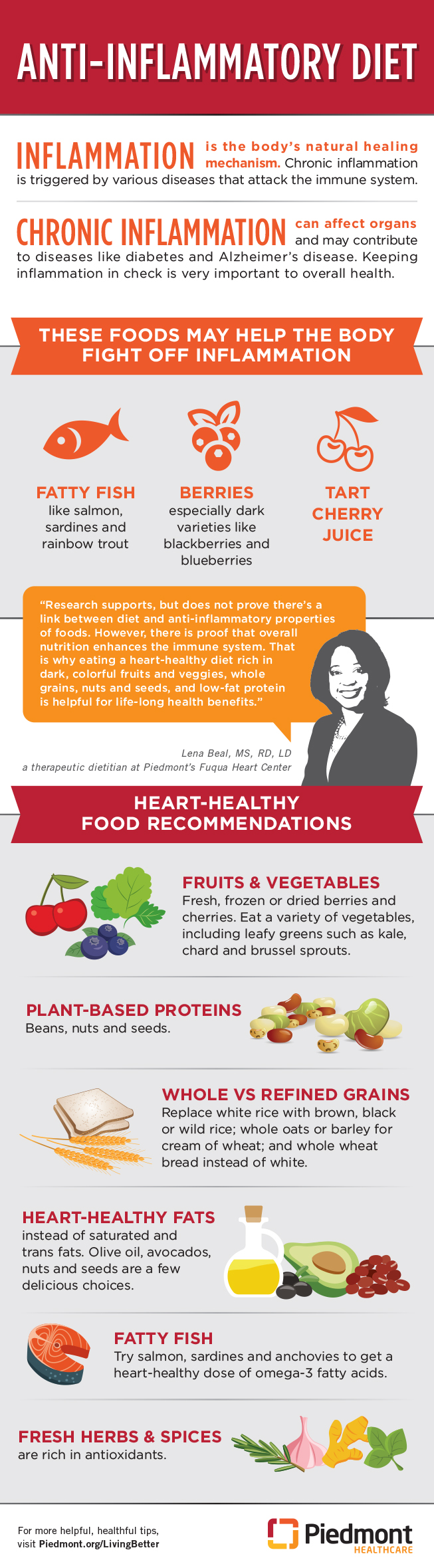
The best anti-inflammatory foods for babies include pureed sweet potatoes, avocados, blueberries, and spinach. These foods provide essential nutrients and antioxidants that help reduce inflammation safely.
Anti-inflammatory foods support your baby’s immune system and reduce the risk of chronic inflammation. They promote healthy growth, brain development, and improve overall well-being.
Babies can start eating anti-inflammatory foods around six months, when introducing solids. Always consult your pediatrician to ensure the foods are age-appropriate and safe.
Avoid honey, nuts, and highly processed foods for babies under one year. These can cause allergies, choking hazards, or increase inflammation instead of reducing it.
Choosing the right foods helps keep your baby healthy and happy. Natural, gentle options reduce inflammation safely. Fresh fruits, vegetables, and whole grains provide key nutrients. Small changes in diet can make a big difference. Always watch for allergies or reactions.
Talk to your pediatrician before starting new foods. Healthy eating builds a strong foundation for life. Simple, safe choices create lasting benefits for your child. Keep meals balanced and varied for best results. Your baby deserves the best start every day.


