




Feeding your child can sometimes feel like a daily battle. You want them to eat well, but mealtime often turns stressful for both of you.
What if there was a way to make feeding calmer, happier, and more connected? This is where mindful feeding comes in. By paying close attention to your child’s hunger cues and creating a peaceful eating environment, you can transform mealtime into a positive experience.
Keep reading to discover simple, practical steps that will help you feed your child with patience and care—making every bite count for their health and your peace of mind.
Mindful feeding is a simple way to help children enjoy meals and build healthy habits. It focuses on paying full attention during eating. Parents and kids both benefit from this gentle approach.
Understanding the basics of mindful feeding helps families eat with more calm and joy. It encourages respect for hunger and fullness signals. This guide explains what mindful feeding means and why it matters.
Mindful feeding means being present and aware during mealtime. It involves noticing how food looks, smells, and tastes. Parents watch their child’s hunger cues instead of pushing to finish plates.
This approach allows children to explore food without pressure. It helps kids listen to their bodies and eat only what they need. Mindful feeding teaches patience and respect for eating rhythms.
Children learn to recognize true hunger and fullness feelings. This skill can reduce overeating and picky eating habits. Kids feel more in control and confident about food choices.
Parents enjoy less mealtime stress and fewer power struggles. Mindful feeding creates a calm eating space for the whole family. It builds stronger bonds through shared, peaceful meals.
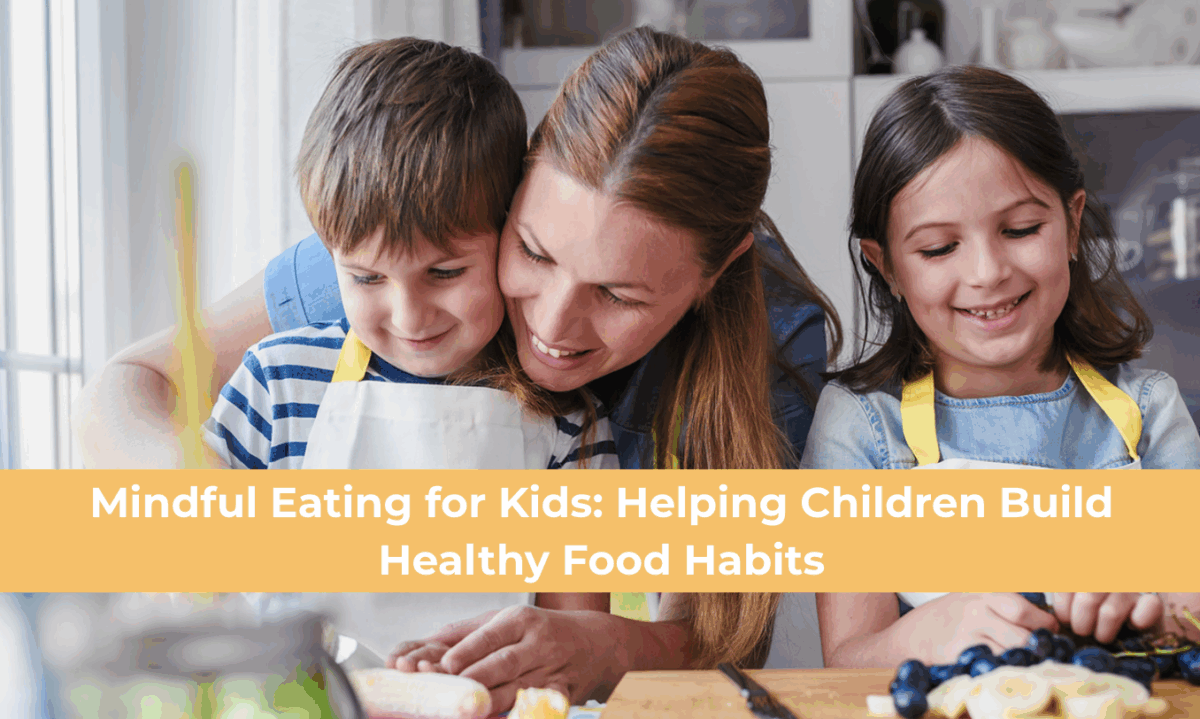
Creating a positive mealtime is key to mindful feeding. It helps children enjoy food and feel safe. Mealtime should be calm and happy. This builds good eating habits that last a lifetime.
Keep the dining area clean and quiet. Turn off TVs and put away phones. Use soft lighting to make the space cozy. Sit together as a family to share the meal. Talk about your day, but keep the mood light. Avoid rushing, so everyone can eat at their own pace.
Invite children to help in the kitchen. Let them wash vegetables or stir ingredients. Simple tasks build confidence and interest in food. They learn where food comes from and how it is made. This makes them more excited to try new dishes. Keep tasks safe and age-appropriate to avoid frustration.
Recognizing hunger and fullness is a key part of mindful feeding. It helps children eat the right amount of food. Kids learn to trust their bodies and avoid eating too much or too little.
Teaching children to notice hunger and fullness signals builds a healthy relationship with food. It also supports good digestion and overall well-being. Parents play a big role in guiding this learning process.
Encourage children to pay attention to how their stomach feels. Ask simple questions like, “Are you hungry?” or “Are you full?” This helps kids connect with their body’s signals.
Use clear words to describe hunger and fullness. For example, “hungry means your tummy feels empty.” “Full means you feel satisfied, not stuffed.” Praise kids when they recognize these feelings correctly.
Make mealtime calm and free of distractions. Eating slowly allows children to notice when they start feeling full. This habit supports better eating choices and prevents overeating.
Let children decide how much to eat from the healthy options you offer. Avoid forcing them to finish their plates. Pressuring kids can make them ignore their fullness signals.
Respect a child’s appetite, whether big or small. This respect helps children trust their natural hunger cues. It also prevents food battles and mealtime stress.
Offer regular meals and snacks. This routine helps children eat enough during meal times. Skipping meals can cause overeating later because of strong hunger.
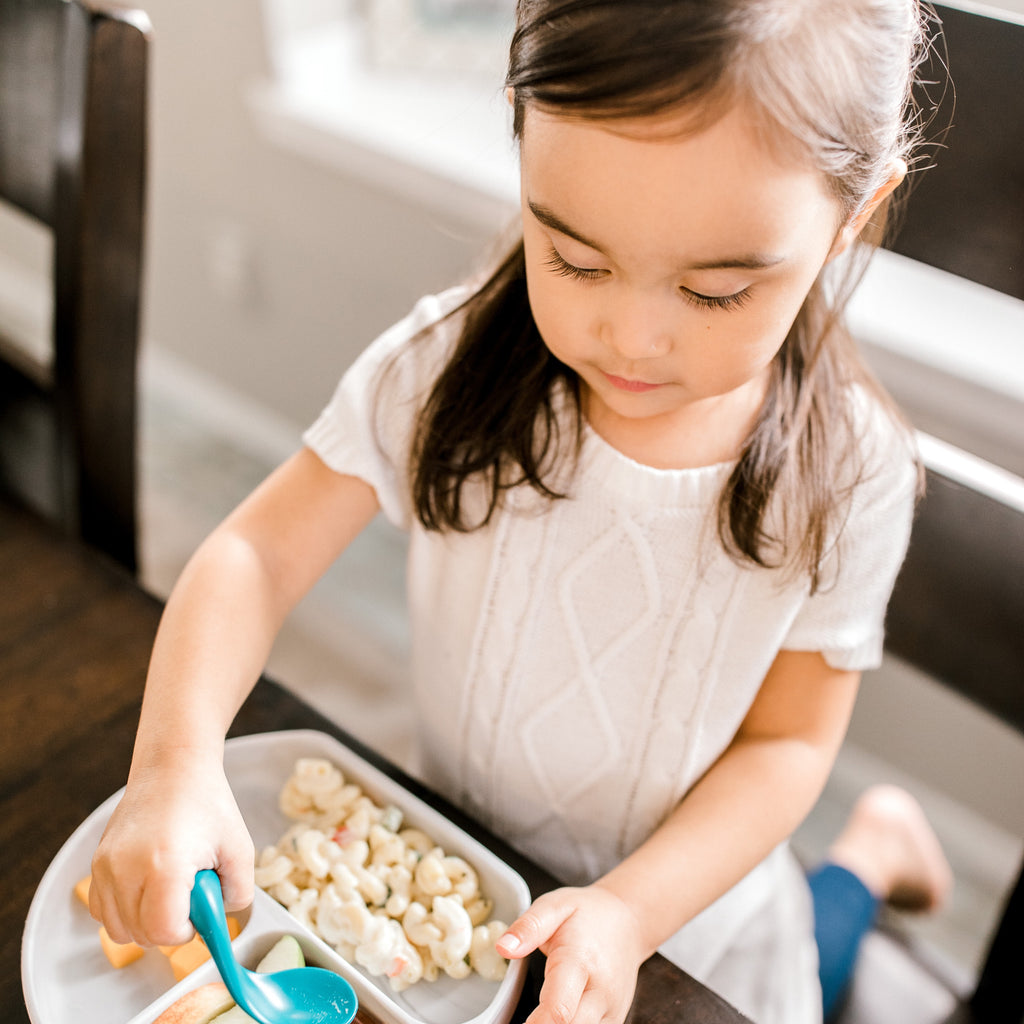
Encouraging healthy choices helps children build good eating habits early. Parents play a key role in guiding kids toward nutritious foods. Creating positive experiences with food can shape lifelong preferences. Patience and creativity make this process easier and more fun for both parent and child.
Start with small portions of new foods. Let your child explore textures and colors. Avoid forcing or pressuring to eat immediately. Offer the same food several times over days or weeks. Familiarity helps reduce fear and resistance. Praise curiosity and trying without focusing on finishing.
Use bright colors and fun shapes to attract attention. Combine familiar favorites with healthy additions. Serve food in small, manageable bites. Involve kids in food preparation to spark interest. Present meals in a cheerful and inviting way. Variety keeps meals exciting and encourages tasting.
Handling challenges during mealtime is common for many parents. It requires patience and understanding. Mindful feeding helps parents stay calm and focused. It creates a positive eating environment for children. Difficult moments can become chances to build trust and good habits.
Parents learn to respond with kindness instead of frustration. This approach makes mealtime smoother and more enjoyable. Let’s explore ways to handle two common challenges: picky eating and food battles.
Picky eating can cause stress at the table. Children may refuse new foods or only eat a few favorites. Stay calm and avoid pressure. Offer small tastes without forcing them to eat.
Try to include colorful and fun food presentations. Let children choose from healthy options. Praise their efforts to try something new. Remember, tastes change over time. Patience is key.
Food battles can create tension and make eating unpleasant. Stay calm and avoid arguing. Use a gentle voice and clear messages about mealtime rules.
Set regular meal and snack times. Avoid letting children fill up on snacks or drinks before meals. This routine helps children feel hungry and ready to eat.
Show empathy and listen to your child’s feelings. Sometimes, a simple change in routine can reduce fights. Keep mealtime peaceful and consistent.

Building long-term mindful feeding habits helps children enjoy food and listen to their bodies. These habits support healthy eating and reduce mealtime stress. Parents play a key role in shaping these habits by staying consistent and showing patience. Mindful feeding is not a quick fix. It takes time and daily practice to become a natural part of family life.
Consistent routines help children feel safe and know what to expect. Serve meals at regular times and keep distractions low. This helps kids focus on their food. Patience is needed when children try new foods or eat slowly. Avoid rushing or pressuring them. Let them explore tastes and textures at their own pace. Over time, they learn to trust their hunger and fullness cues.
Children watch parents closely and copy their behavior. Eat slowly, enjoy each bite, and talk about the food’s taste and texture. Show respect for your own hunger and fullness signals. This teaches children that mindful eating is normal and important. Avoid using food as a reward or punishment. Instead, share family meals and make eating a positive experience. Your actions shape their lifelong relationship with food.
Mindful feeding is paying full attention to your child’s eating habits. It focuses on hunger cues, food choices, and emotional connections. This approach promotes healthy eating patterns and a positive relationship with food.
Parents can practice mindful feeding by eating without distractions, noticing hunger signals, and encouraging kids to try new foods. Being patient and setting a calm mealtime environment also supports mindful feeding.
Mindful feeding helps children develop self-awareness about hunger and fullness. It prevents overeating and fosters healthier food attitudes. This practice supports lifelong positive eating habits and emotional well-being.
Yes, mindful feeding encourages patience and understanding. It reduces mealtime battles by respecting a child’s food preferences. This approach gently introduces new foods without pressure, making picky eaters more open to trying different meals.
Mindful feeding helps children enjoy meals and learn healthy habits. Parents play a key role in guiding their child’s eating experience. Patience and attention make mealtime calm and positive. Small changes lead to better food choices over time. Stay consistent and gentle with your approach.
Remember, eating is about more than just food. Focus on connection and trust during meals. This guide can support a happy, healthy family life. Keep practicing, and the benefits will grow naturally.
Learn more about I Can Spoon and how our baby spoons make mealtimes easier for both your child and you.


