




Are you wondering how to create the perfect feeding schedule for your 12 to 15-month-old? You’re not alone.
At this stage, your little one’s eating habits are changing fast, and getting the right balance can feel tricky. But don’t worry—this guide will help you understand exactly what your toddler needs each day. By following a simple, clear schedule, you can make mealtime less stressful and more enjoyable for both of you.
Keep reading to discover easy tips and practical advice that fit your busy life and keep your child happy and healthy.
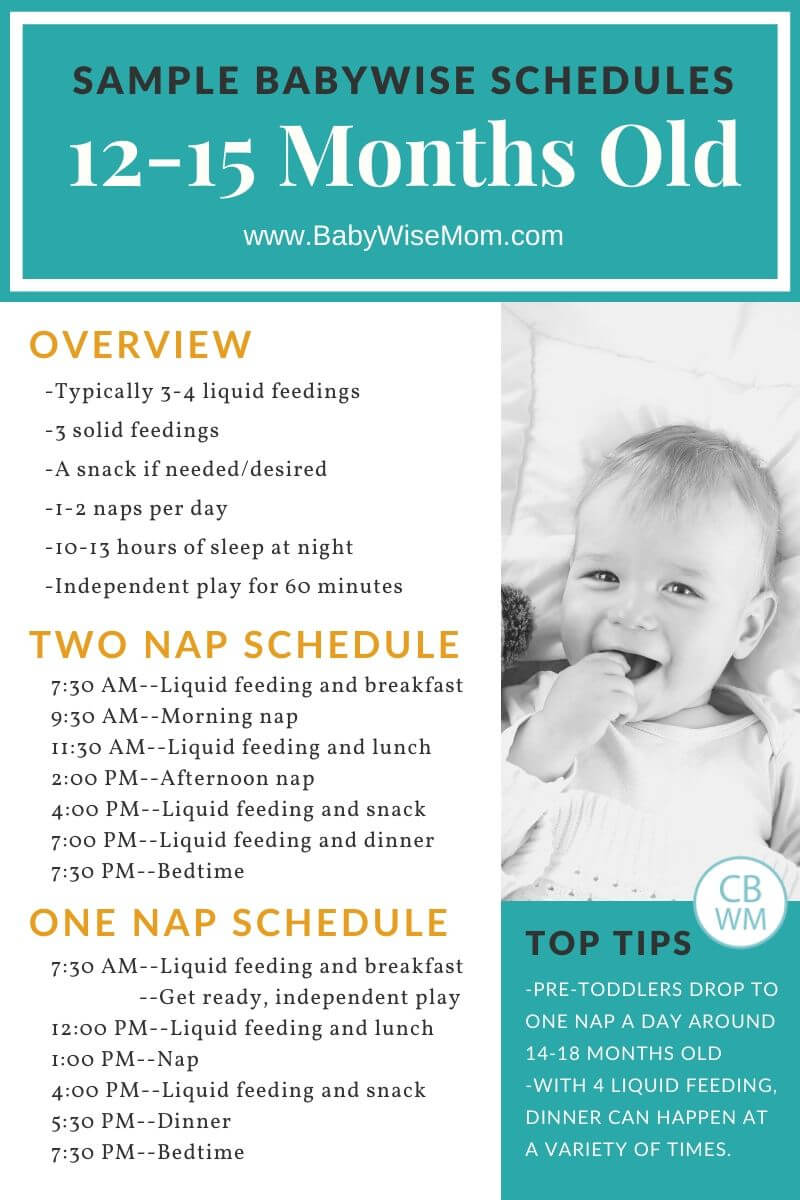
Establishing a daily feeding routine for your 12 to 15 months old child helps create structure and comfort. Toddlers thrive on consistency. It supports their growth and energy needs. A predictable schedule can make mealtime smoother for both parent and child.
At this age, toddlers usually eat three main meals a day. Breakfast, lunch, and dinner should be spaced evenly. Try to offer meals every three to four hours. This timing helps maintain steady energy levels. Toddlers also benefit from two healthy snacks between meals. Avoid long gaps without food to prevent fussiness or tiredness.
Meals should include a balance of proteins, grains, fruits, and vegetables. Snacks are smaller portions but still nutritious. Good snack ideas are yogurt, soft fruit pieces, or small cheese cubes. Avoid giving too many sugary or processed snacks. Balanced feeding keeps toddlers satisfied and helps them explore new tastes.
At 12 to 15 months, toddlers need a variety of nutrients to grow strong. These essential nutrients support brain development, bone strength, and overall health. A balanced diet helps meet these needs and builds a solid foundation for healthy habits.
Proteins are crucial for muscle and tissue growth. They help repair cells and build new ones. Good sources include lean meats, eggs, beans, and dairy products. Including protein in every meal supports steady development.
Healthy fats fuel brain growth and improve energy levels. Foods like avocado, nut butters, and olive oil provide essential fatty acids. These fats also help absorb vitamins and keep skin healthy. Toddlers benefit from moderate amounts of these fats daily.
Vitamins and minerals strengthen bones and support the immune system. Iron, calcium, and vitamin D are especially important. Offer foods like leafy greens, fortified cereals, and fruits to cover these needs. A colorful plate ensures a wide range of nutrients.
Creating a meal plan for a 12 to 15-month-old helps parents provide balanced nutrition. This plan supports growth and introduces new tastes. Meals should include a mix of proteins, grains, fruits, and vegetables. Snacks keep energy levels steady between meals. Below are easy meal ideas that work well for toddlers in this age group.

Keeping your 12 to 15-month-old hydrated is very important. At this age, toddlers are active and need fluids to stay healthy. Proper hydration supports digestion, energy, and overall growth. Here are simple tips to help you manage your toddler’s water intake.
Toddlers need about 1 to 4 cups of water each day. This amount depends on their weight and activity level. Offer small sips often rather than large amounts at once. Water is the best drink choice for hydration. You can also include milk as part of their fluid intake. Avoid giving too much juice or sweet drinks.
Sugary drinks can cause tooth decay and add empty calories. Avoid soda, fruit punches, and sweetened teas. These drinks can lead to unhealthy habits and poor nutrition. Stick to water and milk to keep your toddler healthy. Teach your child to enjoy natural tastes early on. This helps create good hydration habits for life.
Introducing new foods to a 12 to 15 months old child is an exciting step. It helps build healthy eating habits early. This phase is perfect for exploring different tastes and textures. New foods provide essential nutrients for growth and development. Parents should offer a variety of options to keep meals interesting. Patience is key as toddlers might reject foods at first. Repeated exposure helps children accept new flavors over time.
Start new foods one at a time. Wait three to five days before adding another. This way, parents can spot any allergic reactions quickly. Watch for signs like rash, swelling, vomiting, or diarrhea. Common allergens include nuts, eggs, dairy, and seafood. Consult a doctor if allergies run in the family. Keep emergency contacts ready if a severe reaction occurs. Introducing allergens early can sometimes reduce allergy risks.
Offer foods with different textures to develop chewing skills. Soft mashed vegetables and fruits are good starters. Gradually add small pieces of cooked vegetables or soft meats. Let toddlers explore crunchy snacks like dry cereal or toast. Introducing new flavors broadens their palate and reduces fussiness. Mix sweet, savory, mild, and spicy tastes in meals. This variety encourages adventurous eating habits later in life.
Feeding a 12 to 15 months old child comes with many challenges. Toddlers are learning new tastes and textures. They may refuse food or become very picky. This stage requires patience and understanding. Parents must stay calm and consistent. It helps to create a positive mealtime atmosphere. Here are common feeding challenges and ways to handle them.
Picky eating is common in toddlers. They may like only a few foods. This behavior is normal and part of growth. Offer a variety of healthy foods regularly. Avoid forcing your child to eat. Serve small portions and let them ask for more. Make meals colorful and fun. Try new foods alongside favorites. Praise any attempt to try new tastes.
Food refusal can be frustrating for parents. Toddlers test limits and express independence this way. Stay calm and do not show frustration. Keep mealtimes short and stress-free. Offer choices between two healthy options. Remove distractions like TV or toys. Avoid giving snacks close to meals. Trust your child’s hunger signals. Consistency helps them develop better eating habits.
Safety is the top priority during feeding at 12 to 15 months old. This age brings new foods and textures. It also brings new risks. Careful attention can prevent accidents and keep mealtime safe and happy.
Small, hard foods can cause choking. Cut food into tiny pieces. Avoid whole grapes, nuts, and popcorn. Always watch your child while eating. Teach your child to chew well and eat slowly. Keep distractions away during meals. Sit your child upright to help swallowing.
Wash hands and surfaces before preparing food. Cook foods until soft. Avoid adding salt or sugar. Offer a variety of textures gradually. Mash or chop food finely if needed. Use fresh ingredients to keep meals healthy. Check food temperature before serving to avoid burns.
Monitoring your 12 to 15 months old baby’s growth is very important. Growth shows how well your baby is developing. It includes checking weight and height regularly. This helps you know if your baby is healthy and getting the right nutrition.
Careful observation helps catch any problems early. This way, you can take action to support your baby’s health.
Weigh your baby every few weeks to keep track. Use the same scale each time for accuracy. Measure your baby’s length or height regularly. Record these numbers in a growth chart. Growth charts help see patterns over time. Watch for steady increases in weight and height. Sudden drops or no growth can signal a problem. Healthy growth means your baby eats well and feels good.
Visit a pediatrician if your baby stops gaining weight. Slow or no increase in height also needs attention. Look for signs like poor appetite or low energy. Frequent sickness or unusual behavior are important too. The doctor can check for health issues or feeding problems. Early visits help fix problems before they get worse. Always ask questions if you feel worried about growth.
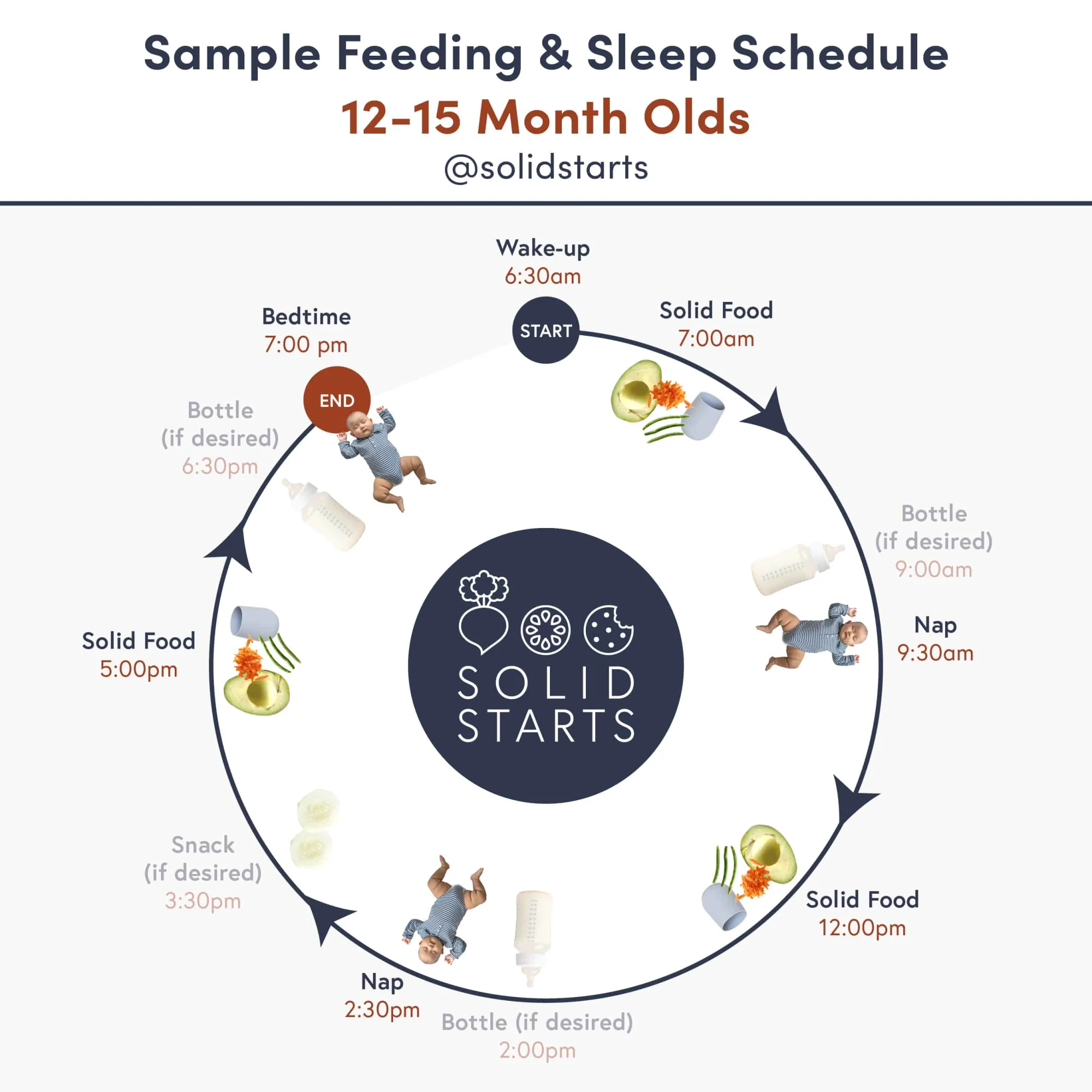
A 12 to 15 months old baby typically eats three meals and two snacks daily. Include breast milk or formula with solid foods. Keep meal times consistent to help develop routine and appetite.
Offer small portions of solid food, about ¼ to ½ cup per meal. Gradually increase variety and texture to encourage chewing skills. Watch for hunger cues to avoid overfeeding.
Yes, whole cow’s milk can be introduced after 12 months. Limit milk intake to 16-24 ounces daily to prevent iron deficiency. Continue offering a balanced diet alongside milk.
Choose soft fruits, small pieces of cheese, yogurt, or whole grain crackers. Avoid sugary or salty snacks. Healthy snacks support energy needs and promote good eating habits.
Feeding a 12 to 15-month-old child needs patience and care. Offer small, healthy meals often throughout the day. Watch your child’s cues to know when they are hungry or full. Keep trying new foods to build strong eating habits. Stay consistent but flexible with the schedule.
Remember, every child grows at their own pace. This time sets the stage for good nutrition later. Stay calm, enjoy mealtime, and celebrate small progress. Your efforts help your child grow happy and healthy.


