




You want the best for your baby, especially when it comes to their health. Introducing healthy eating habits early can set the foundation for a lifetime of good choices.
But how do you start? What foods should you offer first, and how can you make mealtime enjoyable for your little one? You’ll discover simple, practical tips that make healthy eating easy and fun for your baby. Keep reading, and you’ll feel confident knowing you’re giving your child the best start possible.
Starting healthy eating habits early helps babies grow strong and stay healthy. It shapes their food choices and affects their health later in life. Introducing good foods now sets a solid base for their future.
Healthy eating supports the body and brain. It also teaches babies to enjoy nutritious foods. This early start can reduce risks of health problems as they grow.
Good nutrition fuels a baby’s growth and brain development. Nutrients like protein, vitamins, and minerals build strong bones and muscles. Healthy foods also support the brain’s ability to learn and remember.
Babies who eat well tend to reach their milestones on time. Proper feeding helps them stay active and alert every day.
Babies learn to like flavors early on. Offering a variety of healthy foods helps them accept new tastes. This reduces fussiness and picky eating later.
Early exposure to fruits, vegetables, and whole grains builds positive food habits. These preferences often last into childhood and adulthood.
Healthy eating lowers the risk of obesity and diabetes later. It also helps keep the heart and bones strong. Starting good habits early can prevent many chronic illnesses.
Babies who eat well have better immunity. They get fewer infections and stay healthier overall.
Introducing solid foods to your baby is a big step. Recognizing when your baby is ready helps make this change smooth and safe. Babies show different signs that tell you they can start eating solid foods. Knowing these signs makes feeding time easier and more enjoyable.
Your baby can sit up well without help. They have good head control and can hold their head steady. The tongue-thrust reflex, which pushes food out of the mouth, starts to fade. Your baby shows interest in food by opening their mouth. These physical signs tell you your baby is ready for solids.
Your baby watches you eat and may reach for your food. They seem curious about different tastes and textures. Your baby stays calm during feeding and does not push food away. These behaviors show readiness to explore new foods. They want to try something beyond milk or formula.
Talk to your pediatrician before starting solids. They check your baby’s growth and overall health. The doctor can give advice based on your baby’s needs. They may suggest the right time to introduce new foods. This helps keep your baby safe and healthy during this change.
Choosing nutritious first foods is key to your baby’s healthy growth. These foods provide vital nutrients that support brain and body development. Introducing the right foods early helps build good eating habits. It also sets a strong foundation for future meals. Focus on simple, wholesome options that are easy to digest and taste mild.
Variety matters. Different foods offer different nutrients. Start with small amounts to watch for any reactions. Always prepare foods in a soft, safe texture for your baby. This stage is about exploration and learning new flavors.
Iron is essential for healthy brain development. Choose iron-fortified cereals as a first food. Pureed meats like chicken, turkey, or beef are good sources. Lentils and beans provide plant-based iron. Mix these with a little water or breast milk. Iron helps your baby stay strong and focused.
Fruits and vegetables add vitamins and fiber. Start with mild flavors like mashed bananas or cooked carrots. Sweet potatoes and peas are gentle and nutritious. Steam or boil veggies until soft, then mash well. Fresh fruits provide natural sweetness and important antioxidants. Aim for colorful choices to offer a range of nutrients.
Whole grains give energy and fiber for digestion. Oatmeal and brown rice are great first grains. Cook grains until very soft, then mash or puree. Proteins like eggs and tofu support muscle growth. These should be well-cooked and finely mashed. Including whole grains and proteins early helps build a balanced diet.

Introducing new foods to your baby is an exciting step. It shapes their taste and nutrition habits. This process needs care to keep your baby safe and healthy. Learning how to introduce foods safely helps avoid problems and builds a positive eating experience.
Start with one new food at a time. Choose simple, single-ingredient foods. This method makes it easier to see how your baby reacts. Avoid mixed or processed foods in the beginning. Single ingredients help identify any food sensitivity quickly.
Wait three to five days before trying another new food. This waiting period allows time to observe any reactions. Watch for signs like rash, swelling, or upset stomach. This careful approach helps find the cause if an allergy appears. It also gives your baby time to adjust.
Keep a close eye on your baby after introducing new foods. Look for symptoms such as vomiting, diarrhea, or breathing trouble. Mild reactions need attention but serious reactions need urgent care. Talk to your pediatrician if you notice any allergy signs. Early detection protects your baby’s health and comfort.
Creating a positive mealtime environment helps babies enjoy food and feel safe. It builds good habits that last a lifetime. Mealtime should be calm, happy, and free from stress. This encourages babies to try new foods without fear. Caregivers play a key role in shaping this environment.
Set regular times for meals and snacks. Babies feel secure with a predictable schedule. A routine helps their body know when to expect food. Keep mealtimes short and consistent. This prevents fussiness and helps babies focus on eating.
Eat with your baby as often as possible. Babies learn by watching adults. Show them how to enjoy fruits, vegetables, and balanced meals. Talk about the food you eat in simple words. Your positive attitude makes babies curious to try new tastes.
Let your baby touch and explore their food. Playing with food helps them learn textures and shapes. Use soft, easy-to-handle pieces to avoid choking risks. Smiles and praise encourage them to try more. Mealtime should be fun, not just about eating.
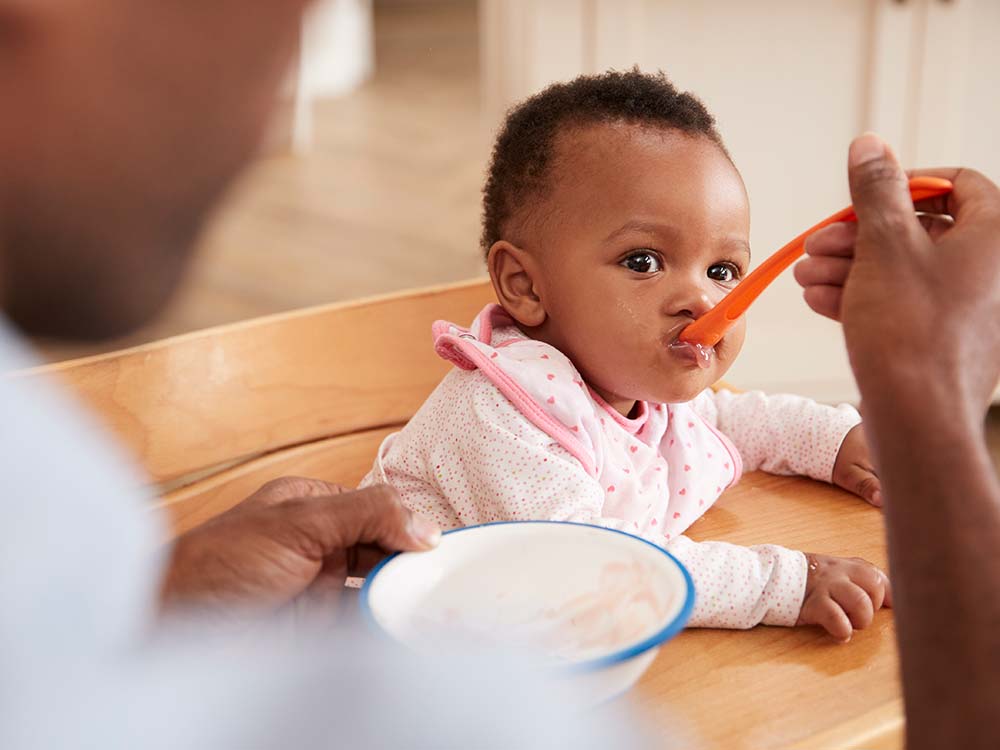
Introducing healthy eating to your baby can be joyful and tough at times. Babies often reject new foods or show strong preferences. These moments need calm and smart handling. Patience and gentle approaches help your baby learn to enjoy healthy meals.
Babies say no to new foods often. It is normal. Keep offering the food without forcing. Try again after a few days. Sometimes, babies need many tries to accept a flavor. Watch your baby’s mood and hunger cues. Stop if they seem upset. Try again later with a smile.
Pressuring your baby to eat can create negative feelings. Force makes eating a battle. Let your baby decide how much to eat. Offer food calmly and make mealtime pleasant. Praise small tries and new tastes. This builds a positive food experience. Respect your baby’s choices to keep trust strong.
Offer different healthy foods in small amounts. Colorful fruits and veggies attract attention. Change textures and flavors gently. Babies explore food with senses, not just taste. Patience is key. Some foods need repeated offers over days or weeks. Variety and time help babies build healthy habits.
Hydration is very important for your baby’s growth and health. Choosing the right drinks helps build healthy habits early. Babies need fluids that support their development and keep them energized. Water and milk are the best choices. Sugary drinks can cause harm and should be avoided.
Breast milk is the perfect drink for your baby. It has all the nutrients your baby needs. Formula is a good alternative when breastfeeding is not possible. Both provide hydration and energy. Avoid giving any other drinks before six months unless the doctor says so.
After six months, you can start giving small amounts of water. Use a cup to help your baby learn drinking skills. Water keeps your baby hydrated without extra calories. Do not replace breast milk or formula with water too soon.
Sugary drinks like juice or soda can harm your baby’s teeth and health. These drinks add unnecessary sugar and calories. Avoid giving these drinks to your baby. Focus on milk and water for healthy hydration.
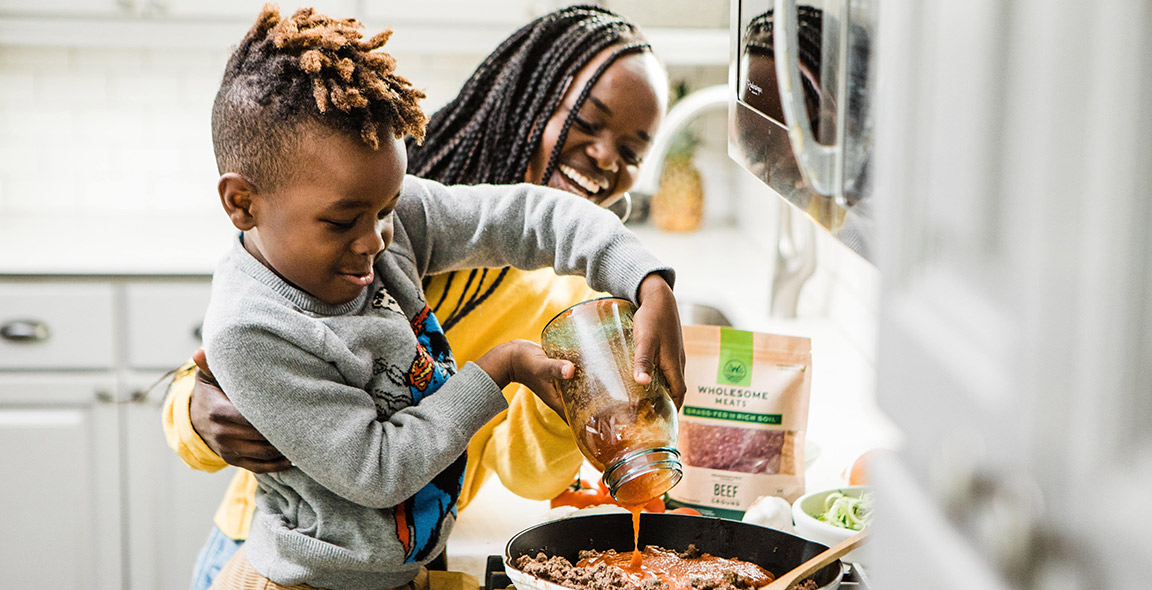
Tracking your baby’s eating habits helps ensure they get the right nutrition. It also shows how well they grow and develop. Adjusting these habits based on progress keeps your baby healthy and happy. This section explains how to monitor growth, adapt to preferences, and seek help.
Keep a daily record of what your baby eats. Note the types of food and amounts. Watch for steady weight gain and height growth. Regular check-ups with your doctor will track these changes. Balanced meals with fruits, vegetables, proteins, and grains matter most. Look for signs of good energy and mood. This shows your baby is well-nourished.
Babies may like some foods more than others. Offer choices without pressure or force. Try new foods several times; tastes can change. Notice your baby’s reactions to textures and flavors. Adjust meals to include more favorites and fewer dislikes. Keep meals colorful and varied to keep interest. Patience helps your baby develop healthy habits.
Consult your pediatrician or a nutrition expert for advice. Share your records of your baby’s eating and growth. Ask about any concerns or unusual reactions. Professionals can suggest changes or supplements if needed. Early advice helps prevent nutrition problems later. Trust experts to guide your baby’s healthy eating journey.
Start with pureed fruits, vegetables, and iron-fortified cereals. These foods provide essential nutrients and are easy to digest. Introduce one food at a time to monitor allergies. Avoid added sugar and salt for better health. Fresh, organic options are best when possible.
Offer a variety of colorful, nutritious foods regularly. Make mealtimes fun and stress-free to create positive associations. Avoid forcing your baby to eat; allow self-feeding when ready. Be patient, as taste preferences develop over time. Lead by example with your own healthy eating habits.
Begin solids around 6 months old when your baby shows readiness signs. These include sitting up, showing interest in food, and loss of tongue-thrust reflex. Consult your pediatrician for personalized advice. Early introduction of solids supports growth and nutrient needs beyond milk alone.
Introduce diverse flavors and textures early to broaden taste acceptance. Offer repeated exposure to new foods without pressure. Avoid sugary snacks and processed foods. Maintain consistent mealtime routines and serve balanced meals. Positive mealtime atmosphere encourages adventurous eating habits.
Starting healthy eating early sets a strong foundation for your baby. Small changes make a big difference over time. Offer a variety of fruits, vegetables, and grains. Let your baby explore new tastes and textures. Stay patient and consistent with mealtime routines.
Enjoy the journey of nurturing good habits together. Healthy choices today lead to a happier, stronger child tomorrow. Keep feeding love along with nutritious food.


