




You want the best for your baby, especially when it comes to food. But sometimes, feeding time can feel stressful or confusing.
What if you could create a positive food relationship for your little one from the very start? Imagine your baby enjoying mealtime, exploring new flavors with joy, and developing healthy habits that last a lifetime. You’ll discover simple, practical steps to build a loving and confident connection between your baby and their food.
Keep reading to find out how you can make every bite a happy moment for both of you.
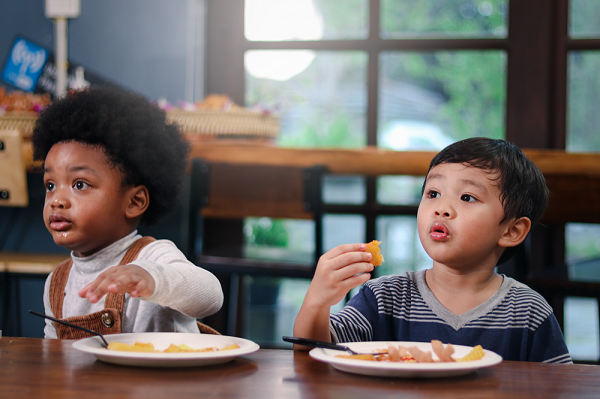
Choosing how to feed your baby shapes their relationship with food. Early feeding sets the stage for healthy habits. This phase includes breastfeeding, formula feeding, and starting solid foods. Each choice has unique benefits and tips to support your baby’s growth and happiness.
Breastfeeding provides natural nutrition made for your baby. It helps build immunity and protects against illnesses. Breast milk changes as your baby grows, giving the right nutrients. Feeding this way also creates a close bond. It supports brain development and digestion. Breastfeeding can be convenient and comforting for both mother and child.
Formula feeding offers a safe alternative when breastfeeding is not possible. Choose a formula that suits your baby’s needs. Prepare bottles carefully and follow instructions to keep it safe. Hold your baby close during feeding to build connection. Watch for hunger and fullness cues. Avoid overfeeding by respecting your baby’s signals. Clean bottles well after every use to prevent germs.
Start solids at about six months old. Begin with soft, simple foods like mashed vegetables or fruits. Offer new foods one at a time to spot allergies. Encourage your baby to explore tastes and textures. Keep mealtime calm and positive. Avoid forcing your baby to eat. Let them decide how much they want. This step helps babies learn to enjoy a variety of foods.
Creating healthy mealtime habits helps your baby enjoy food and grow well. Good habits build a positive food relationship early. This time sets the stage for lifelong healthy eating.
Babies thrive with routines. Serve meals and snacks at the same times daily. Regular timing helps your baby feel safe and know what to expect. Consistent routines also improve digestion and appetite.
Choose a calm, quiet place for meals. Avoid distractions like TV or toys. A peaceful setting helps your baby focus on eating and tasting new foods.
Mealtime should be fun and relaxed. Smile and talk softly to your baby. Show excitement about different foods. Your mood influences your baby’s feelings about eating.
Offer a variety of colors, textures, and tastes. Let your baby explore food with hands and mouth. This curiosity supports healthy food habits and learning.
Never force your baby to eat. Pressuring creates negative feelings about food. Your baby knows when they are hungry or full.
Respect your baby’s cues. Stop feeding when they show fullness. Trust their instincts to guide healthy eating habits.
Encouraging exploration and variety helps your baby develop a healthy attitude toward food. It introduces new tastes and textures that keep mealtime exciting. Babies learn by trying different foods and exploring flavors. This stage builds a foundation for lifelong healthy eating habits.
Introduce new foods one at a time. Offer small portions to avoid overwhelming your baby. Repeat offerings, as babies often need to try a food several times. Stay patient and calm if your baby refuses. Keep mealtimes positive and pressure-free.
Mix familiar tastes with new ones to ease acceptance. Combine soft and crunchy textures to stimulate interest. Avoid very spicy or bitter foods at first. Present foods in different shapes and sizes to invite curiosity. This variety helps babies learn to enjoy many foods.
Notice which foods your baby likes or dislikes. Respect their choices without forcing eating. Offer alternatives that provide similar nutrients. Praise trying new foods, even without finishing. This respect encourages trust and a positive food relationship.

Modeling positive eating behavior is key to helping your baby develop a healthy food relationship. Babies learn by watching adults. Your actions at meal times teach them what to expect and how to feel about food.
Showing calm, happy eating habits encourages your baby to explore food without fear. It builds trust and interest in trying new tastes and textures.
Eating meals as a family creates a strong example for your baby. It shows that mealtime is special and social. Your baby sees everyone enjoying food and learns to do the same.
Try to eat at the same time each day. Put away distractions like phones. Focus on sharing the meal and conversation. This routine makes eating feel safe and fun.
Mindful eating means paying full attention to food and the act of eating. Chew slowly. Notice flavors and textures. This helps your baby learn to appreciate food fully.
Be patient and calm during meals. Avoid rushing or forcing your baby to eat. Respect their hunger and fullness signals. This builds a positive connection with eating.
Show your baby that food can bring joy. Smile and use happy words while eating. Share which foods you like and why. Your excitement makes your baby curious and eager to try.
Try new foods with enthusiasm. Your positive attitude encourages your baby to do the same. Expressing enjoyment helps your baby feel safe and happy around food.
Feeding challenges are common in a baby’s early months. They can cause stress for parents and babies. Understanding how to handle these issues helps build a healthy food relationship. Patience and gentle guidance are key. Small steps lead to big progress.
Focus on creating a calm and positive mealtime. This approach encourages your baby to explore new tastes and textures. Avoid forcing food. Instead, offer choices and stay consistent. Celebrate small victories to keep motivation high.
Picky eating happens when babies refuse certain foods. It is normal and often temporary. Offer a variety of healthy foods regularly. Serve foods in small, manageable pieces. Keep mealtime relaxed and avoid pressure. Try different cooking methods to change flavors and textures. Praise your baby for trying new foods, even if they do not eat much.
Babies may reject food due to taste, texture, or mood. Respect their feelings and do not force eating. Wait a few days before offering the same food again. Introduce new foods alongside familiar favorites. Keep mealtime routines consistent. Watch for signs of hunger and fullness to avoid stress. Offer water or milk between meals to stay hydrated.
Consult a pediatrician or feeding specialist if challenges persist. Professional advice can identify allergies or feeding disorders. They provide tailored strategies to support your baby’s needs. Early help prevents long-term feeding problems. Do not hesitate to ask questions or share concerns. Support from experts strengthens your confidence as a parent.

Supporting your baby’s nutritional needs helps build a strong body and mind. Feeding your baby well creates good habits early. It also makes mealtime enjoyable and stress-free. Focus on offering a variety of foods that provide essential nutrients.
Understanding what your baby needs helps you plan meals better. Keep meals balanced and simple. Pay attention to hydration and any extra vitamins your baby might need. This support boosts your baby’s growth and overall health.
A balanced diet includes fruits, vegetables, grains, proteins, and fats. Each group gives different nutrients your baby needs. Offer soft, easy-to-eat foods in small portions. Variety helps your baby try new tastes and textures. Avoid sugar and salt to keep meals healthy. Keep meals colorful and fresh to attract your baby.
Water is important for your baby’s body. Babies need fluids to stay healthy and active. Offer small amounts of water throughout the day. Breast milk or formula also provides hydration. Avoid sugary drinks or juices that can harm teeth. Watch for signs of thirst like fussiness or dry mouth.
Some babies may need extra vitamins for good health. Vitamin D is important, especially for breastfed babies. Iron helps with growth and brain development. Talk to your doctor before giving supplements. Use only recommended doses and types. Supplements support but do not replace a healthy diet.
Start with soft, single-ingredient foods. Offer a variety without pressure. Encourage exploration and self-feeding to promote trust and enjoyment.
A calm, distraction-free environment helps babies focus on eating. Positive interactions and family meals foster healthy food attitudes and bonding.
Stay patient and consistent. Offer diverse foods repeatedly without forcing. Praise attempts and avoid negative reactions to encourage acceptance.
Avoid using food as a reward to prevent emotional eating. Use praise and affection instead to build healthy habits and self-esteem.
Building a positive food relationship for your baby starts with patience and care. Offer a variety of healthy foods in a calm setting. Let your baby explore tastes and textures at their own pace. Celebrate small successes and stay consistent.
Remember, your attitude shapes their feelings about food. Creating happy mealtime moments helps babies enjoy eating and grow strong. Keep it simple, gentle, and loving every day. This foundation supports healthy habits for a lifetime.


